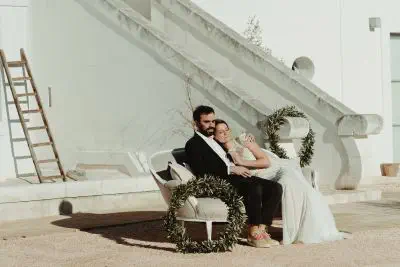
HOW TO CELEBRATE A WEDDING OR WEDDING ACCORDING TO ANCIENT LATVIAN TRADITIONS?
According to ancient Latvian traditions, weddings or weddings have long been one of the most important honors or events
in the life of a Latvian. It is sung by ancient songs and described by historians. The goal, as in ancient times, today is one - from
the unmarried ranks change to the married ranks.
However, the performance is different, that is why couples who have decided to get married according to all ancient Latvian traditions, count
with how many knowledgeable advisors you will meet in your leadership preparation journey.
Meanwhile, Ligavam.lv , preparing for the Solstice, summarized the most important rituals and their importance after
to ancient Latvian traditions.
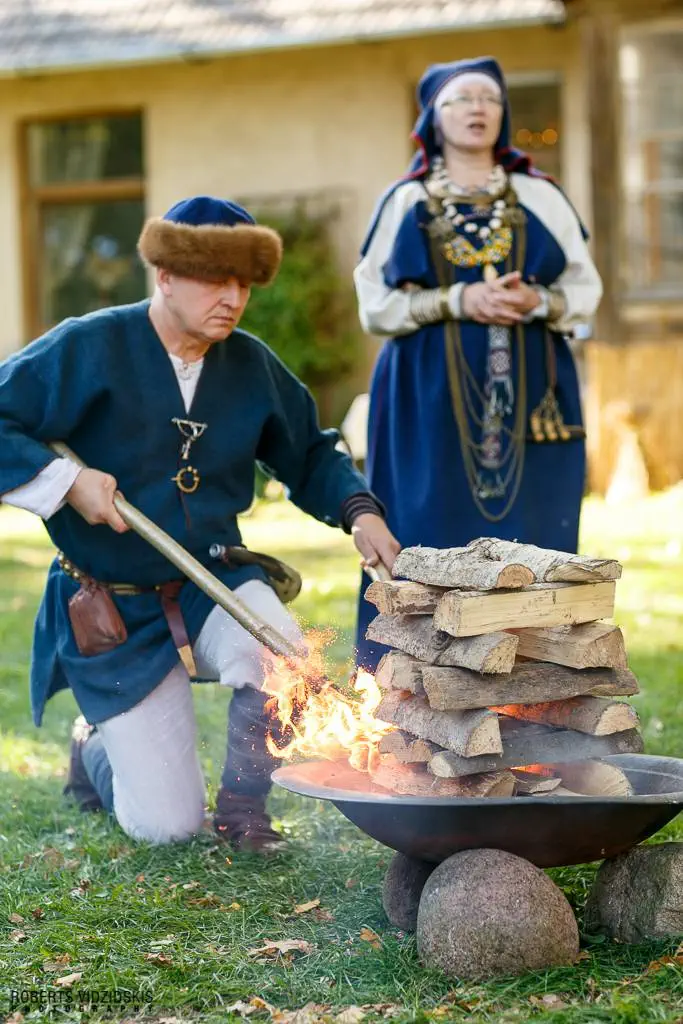
Photo: ROBERTS VIDZIDSKIS
Before going to the sauna!
According to ancient Latvian traditions, weddings most often took place in the autumn months, when field work was finished and crops were harvested.
Nowadays, the real time for weddings is the summer months. However, a connection with nature is also sought in modern weddings -
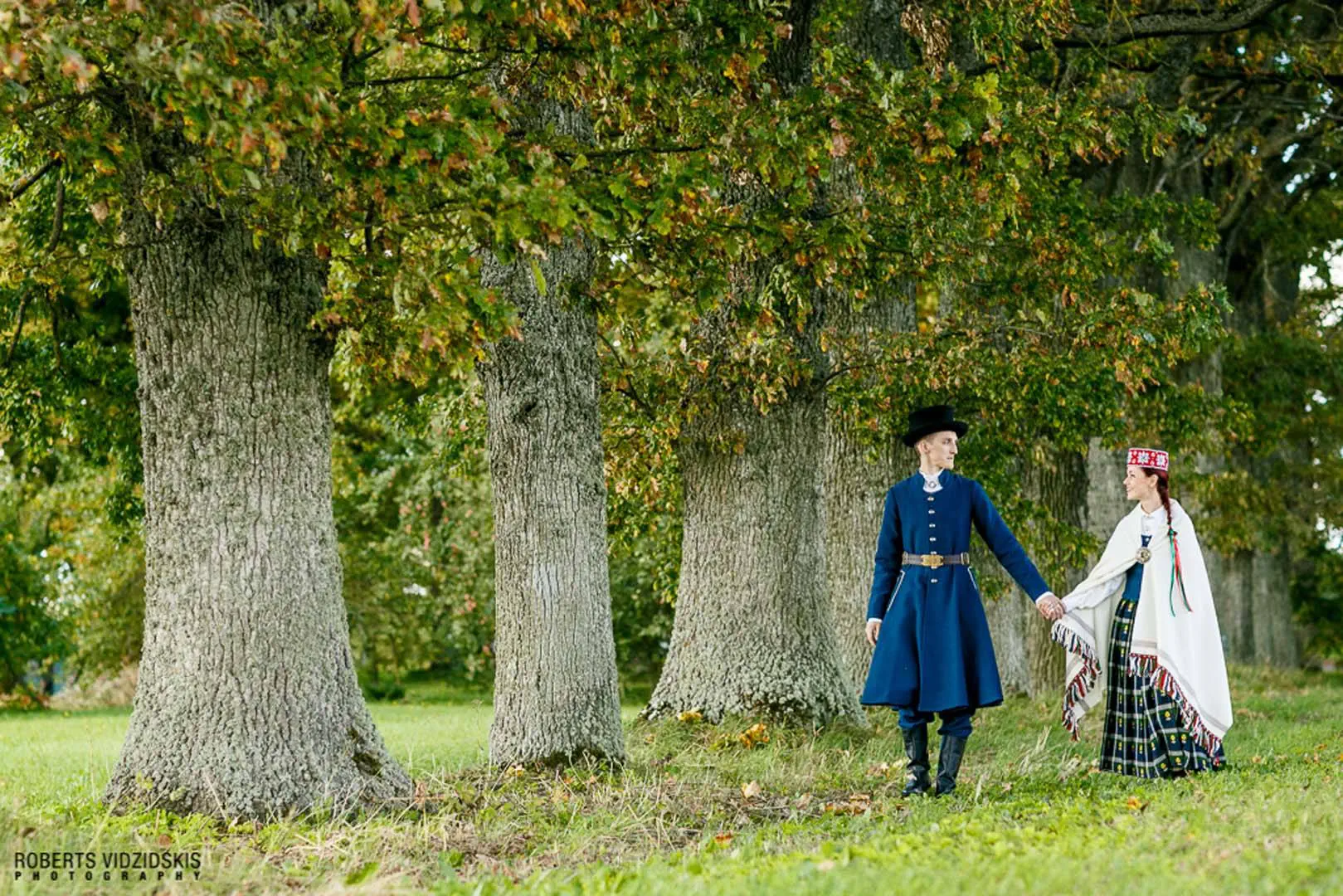
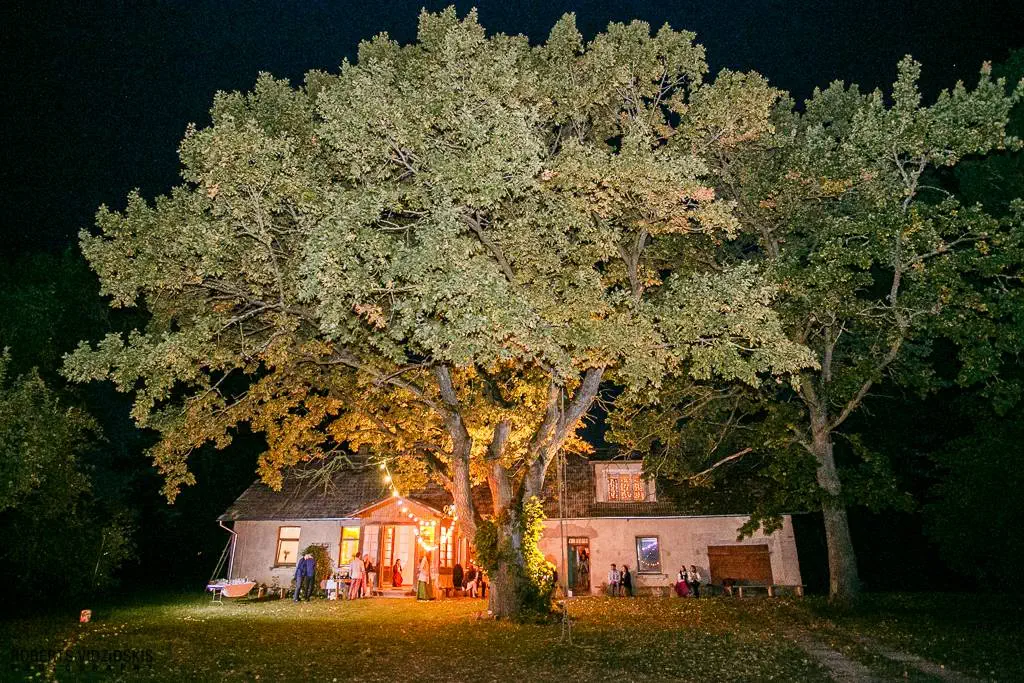
for each couple it can be something different, for some - a ceremony by the sea, for others - a sacred place of ancestors, for another - an oak tree
family yard or rye field.
The place to start the common life path, if possible, should be chosen not only close to nature, but also close to
for the heart –
a place where the history of the family is stored and will continue, a place where energetically and symbolically everything is connected with the family,
physical and mental maturity and growth.
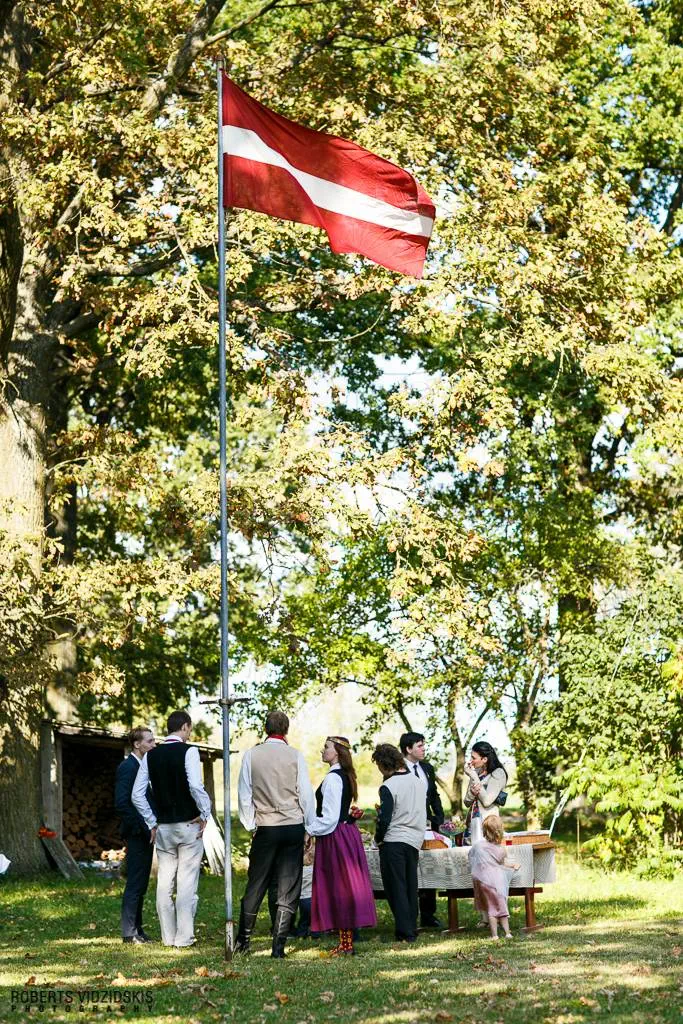
Photo: ROBERTS VIDZIDSKIS
If the wedding is planned in keeping with ancient Latvian traditions, then also instead of a hen party, the bride should
arrange a special bridal bath ritual.
Photo: MĀRTIņŠ PLUME
Washing the bride's back is a ritual performed by the bride with her sisters and friends before the wedding, so that before
the important event would wash away all the excess - not only physically, but also mentally. According to tradition, in the evening itself
unbeknownst to her, her mother comes to wash the back of the bride, who symbolizes the feminine energy and strength of the family, which is
passed on.
There are various saunas and SPA complexes in Latvia that offer sauna rituals before the wedding for both the bride and the groom,
but, following all traditions, it is important to find a bather who will truly be a master of his craft, will understand
the significance of the ritual and will be able to not only implement it, but also explain it. They are definitely considered good bathers
Juris Batņa and Līga Reiter, but of course they are not the only bathers in Latvia.
If you find a buyer and still it is not clear how high-quality and appropriate the specific offer will be for your
preferences, it is recommended to ask experts. Kaz has held weddings or weddings according to ancient Latvian traditions,
have visited
Photo: ROBERTS VIDZIDSKIS
Traditions that survive
Often the first thing that most of us think of when hearing about Latvianness at a wedding is from the traditions of the ancient Latvians
derived customs, more or less, but observed almost always. Books Promise. Latvian wedding author Signe Šlosberga mentions the most popular wedding activities as newlyweds mixing, stealing and ransoming brides.
Photo: ROBERTS VIDZIDSKIS
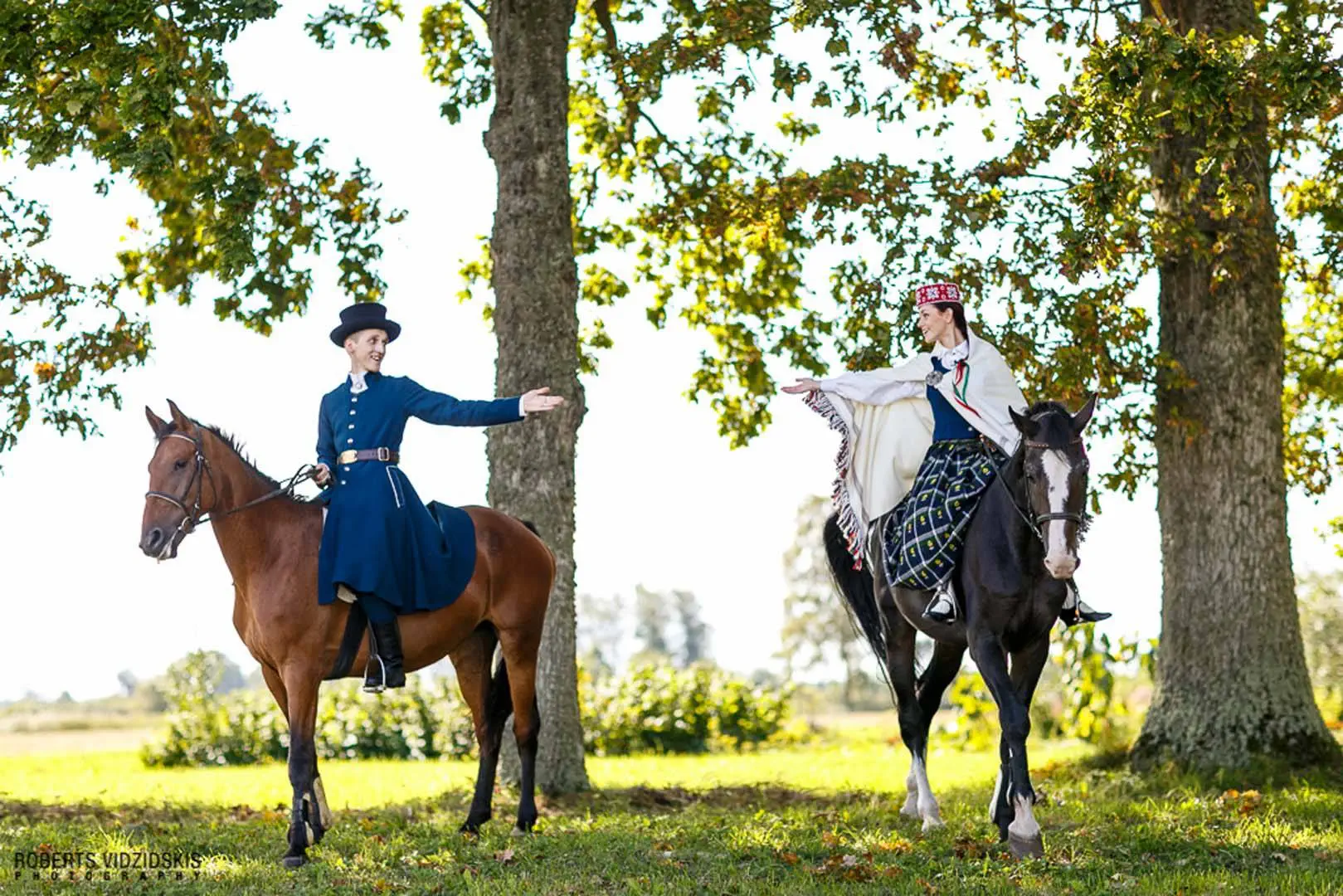
According to ancient Latvian traditions, weddings also include stealing the bride. The most ancient ways of acquiring a bride was bride-stealing
and buying. The ancient songs sing about various circumstances in which brides are stolen. It often happened on a dark night
or in the fog, when thieves are hard to see. The daughter was alone in the river or some other place where it is easier,
brothers or father, without seeing, to kidnap.
Before getting to the wedding itself, marriages or bets take place, when the bridegroom has set his sights on the bride and is expressed
proposal. It's true, the bride has to hide in time when the groomsmen are driving. When the bridegroom asks to show the bride,
the daughter's mother and other relatives usually deny and talk back.
But when the mother has agreed to bring her daughter, false brides are brought. First they bring an old wife, then a new one
the girl, but finally comes the bride herself.
However, the main Latvian wedding rituals that couples are returning to nowadays are imitating and matching.
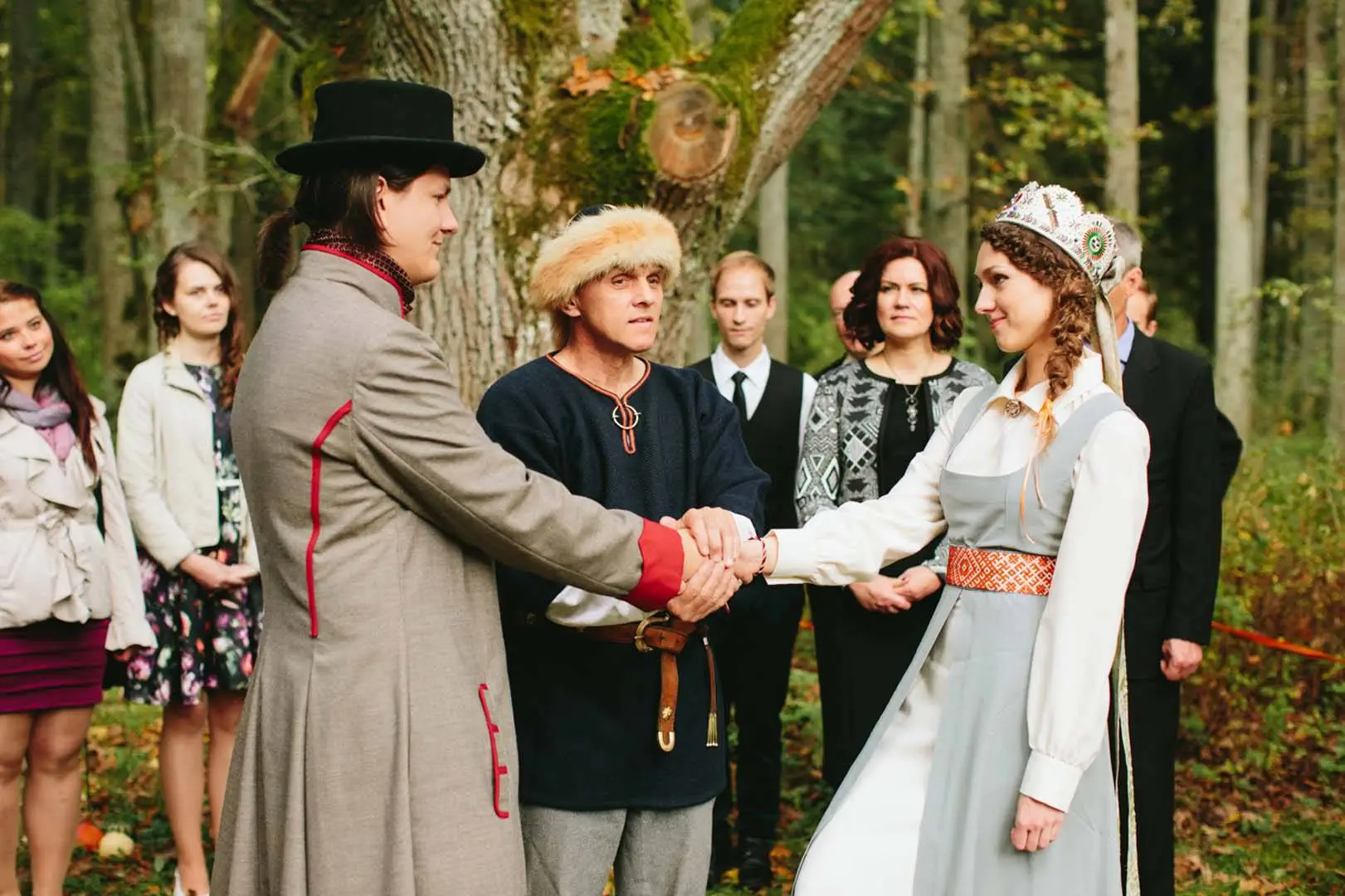
Photo: ROBERTS VIDZIDSKIS
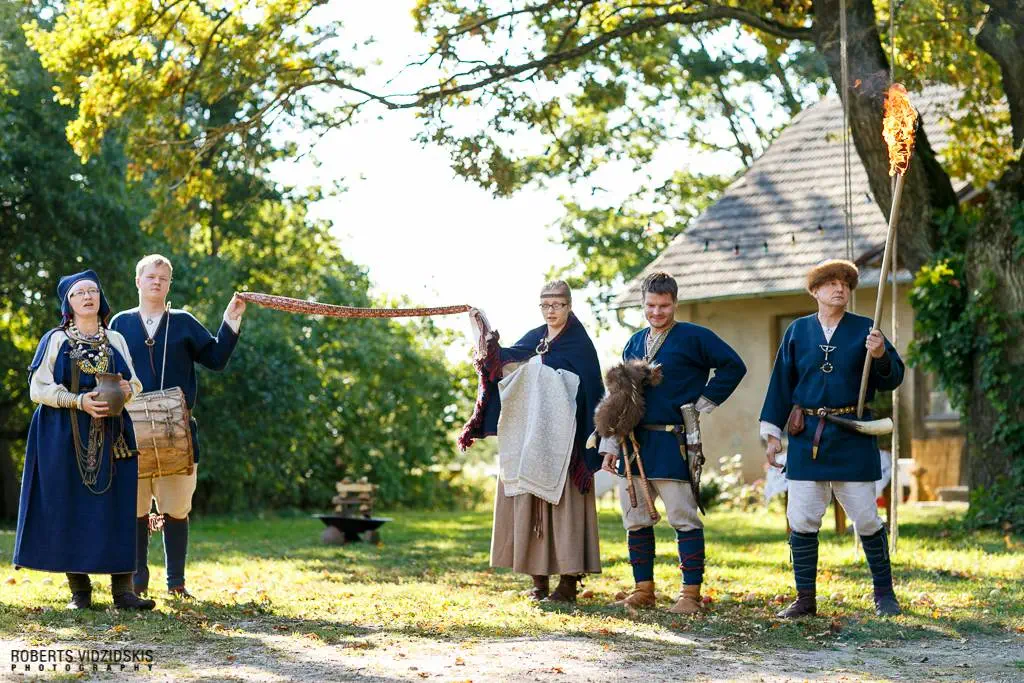
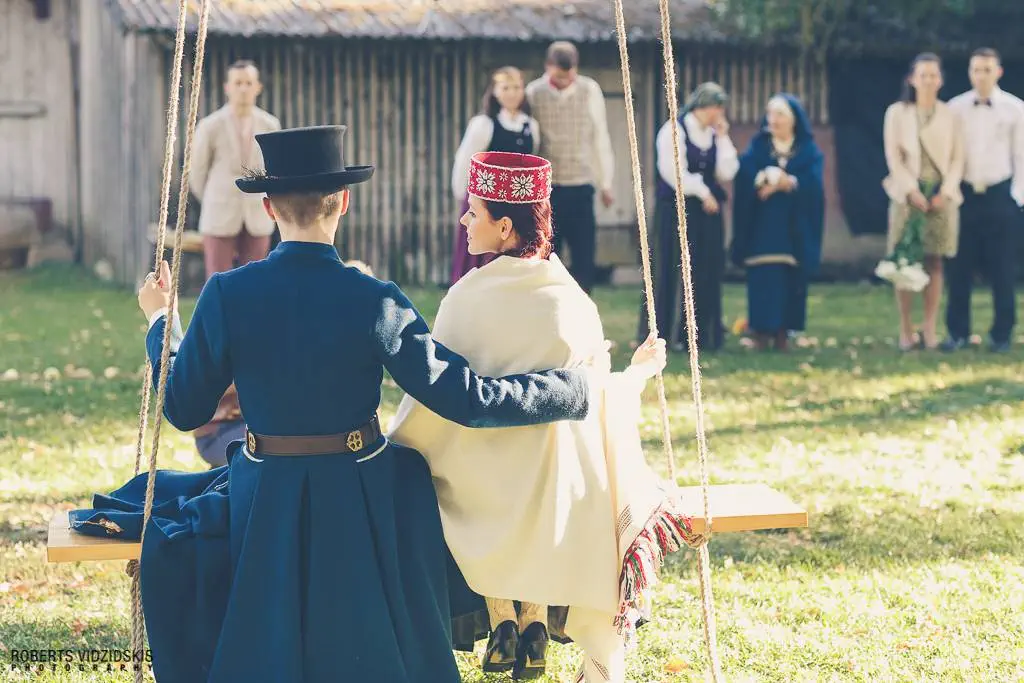
Weddings or weddings according to ancient Latvian traditions also consist of impersonation. Alignment is an ancient Latvian ritual, which
nowadays replaces ceremonies in the registry office or church. Its aim is to connect the lifestyle through this
rituals both stand side by side. This ritual is best held in particularly energetic places.
The alignment is done by the great leader or another respected member of the husband's family, receives the hands from below and above and swings
and give the ceremonial alignment speech. Alignment can and is recommended to be repeated every ten years, because then it wears off
an important stage of life and something has changed in itself and in the other, a lot has been left behind and perhaps necessary
time to stop and look back.
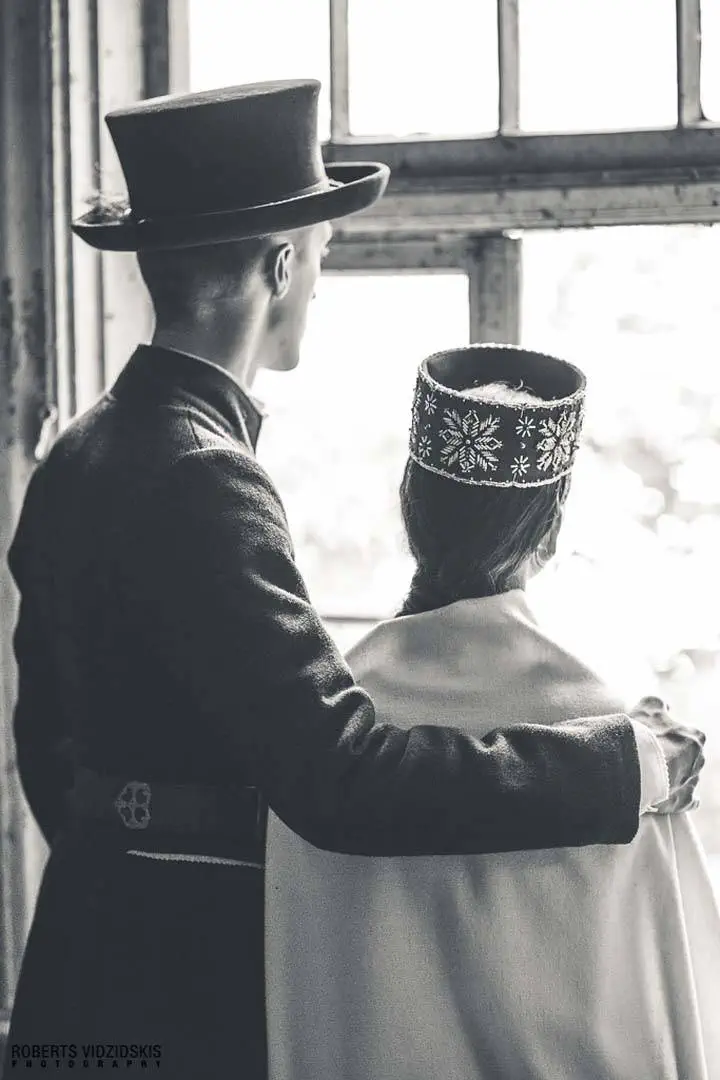
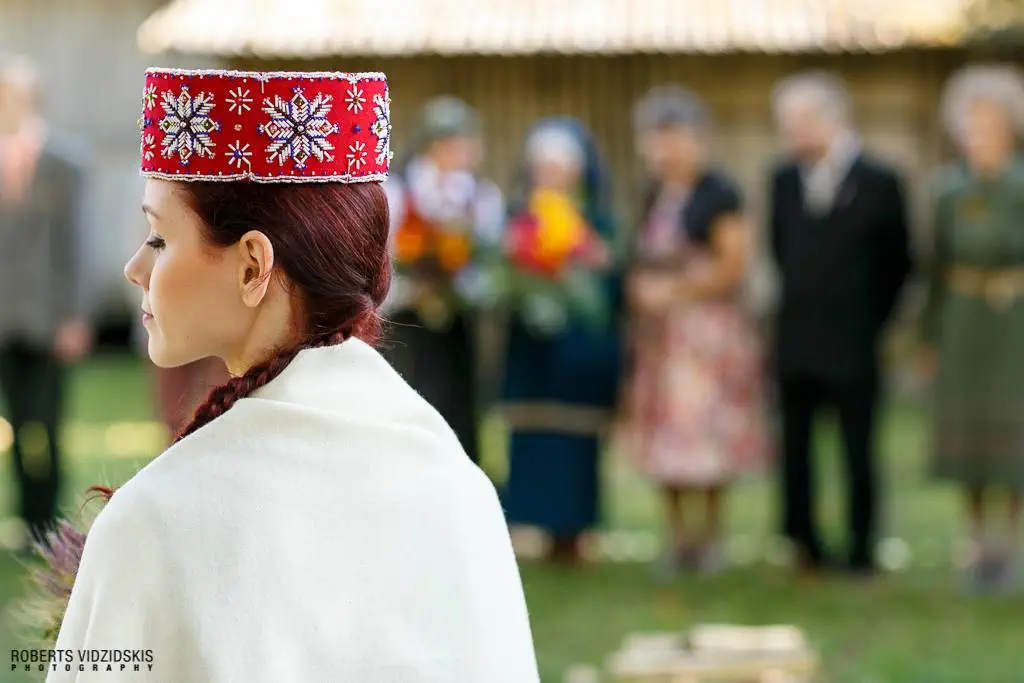
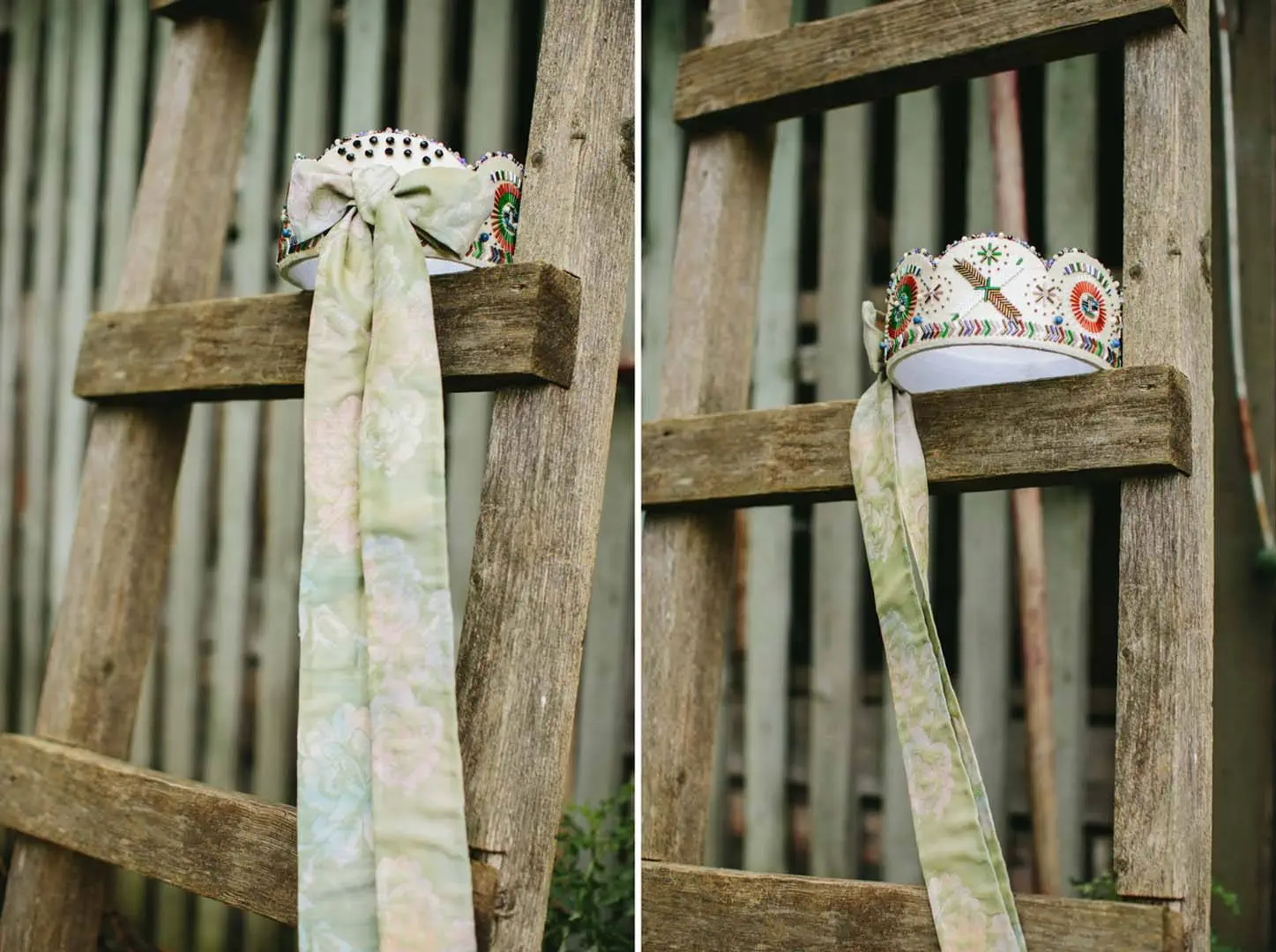
According to ancient Latvian traditions, a wedding is an event when the bride usually dresses the most. Also the bride's dowry at the wedding
was of great importance - the diligence and wealth of the future wife was judged by its size. Weddings for brides of ancient peoples
it was typical to wear a dress of honor and wear a crown instead of a veil.
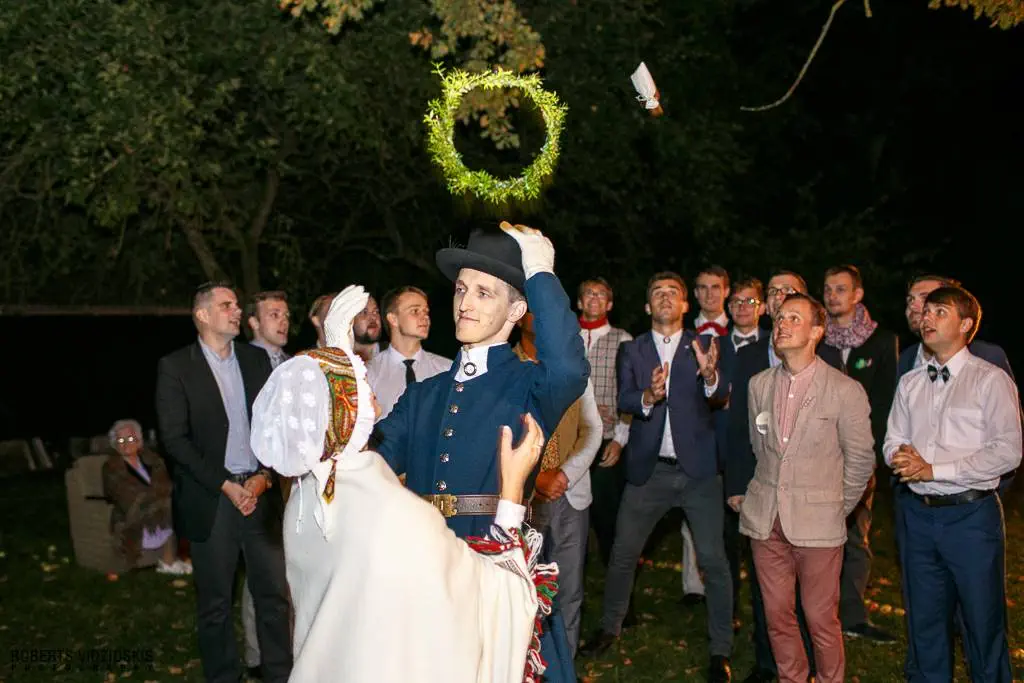
According to ancient Latvian traditions, weddings also consist of throwing a bouquet. This tradition also rhymes with unmarried girlfriends
from the ancient tradition of a bride crowning an unmarried girl. It was a conscious choice made by the bride,
because the crown was most often a great treasure and the bride wanted it to remain in her family. Just like the new wife
gave the crown, the bridegroom passes on to another guy a horn to blow to announce that he is ready to take his wife.
Photo: ROBERTS VIDZIDSKIS
Great importance for the guided and the guides
A. Memenis wrote in his book "Our honors and celebrated days" that "great importance for the good of Latvian
for the arrangement, there is a guide (leader), who knows the course of the conduct and gives correct instructions, what everyone should do.
Vīkšējs is like a director in the preparation of a play."
It is not uncommon for wedding leaders, Grand Ushers (a couple who have already eaten a pot of salt together and will be a good adviser and example) and
Small hosts (assistants of Big hosts, friends who do not have to be married or a couple) can be a good helper both
in organizational matters, but also to share their ideas in organizing celebrations according to ancient Latvian traditions.
Photo: ROBERTS VIDZIDSKIS
You can inquire about conducting wedding rituals at:
Ineses Krūmiņas (alignment, leading the wedding), Antras Skuteles (mixing), Jāņas and Ievas Kuškis (Latvian ritual
leaders), as well as in the Association of Latvian Gods, which is familiar not only with weddings, but also with other Latvian honors.
Photo: ROBERTS VIDZIDSKIS
Weddings or weddings according to ancient Latvian traditions, as well as according to any other customs and considerations, including Latvian ones
in terms of budget, the wedding is exactly what the couple has in their pocket first.
If the first is to choose what kind of wedding to have, the second is to understand what is the most essential in everything and what can be adapted to the financial
possibilities. Latvian weddings can also be very expensive, but this is certainly not a prerequisite for such celebrations, because
the most important thing is the foundation itself - the conclusion of the union between the new wife and husband.
Determining Your Destiny at Solstice
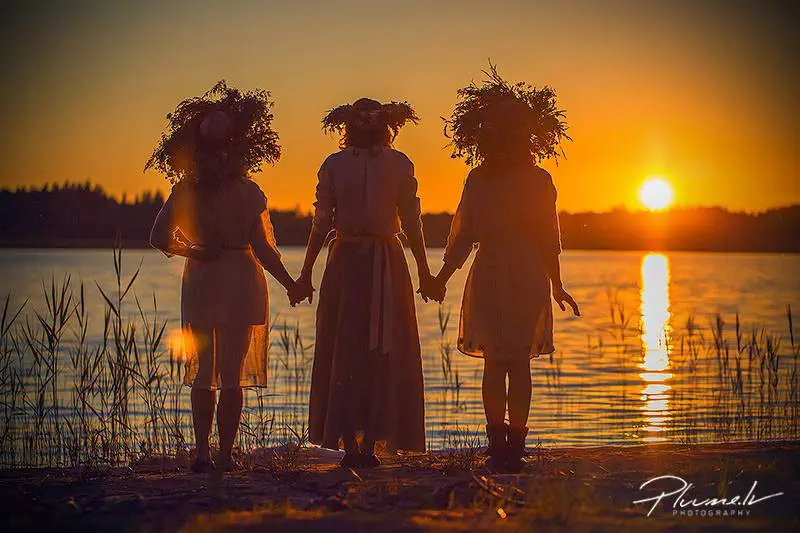
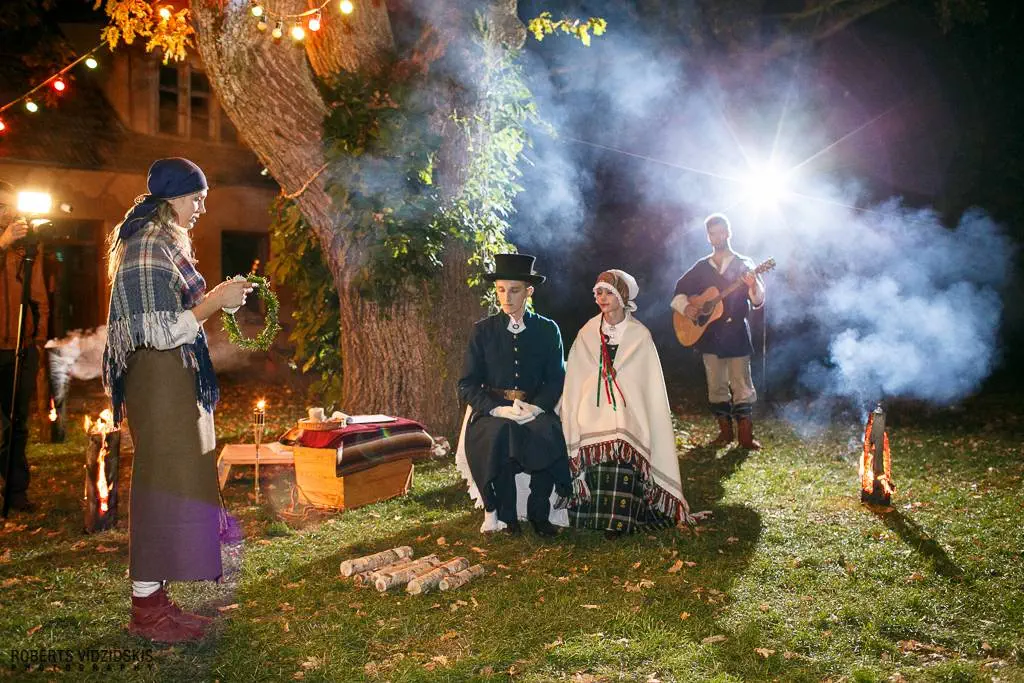
As the Solstice approaches, it should be remembered that for unmarried daughters, on the shortest night of the year, the central divination
attribute is a crown.
For girls, the wreath they have woven themselves must be thrown into an oak tree when the sun sets. If the crown stays there, the wedding will take place already this year, but if
will fall to the ground, will have to wait. Also, the wreaths are dropped into a pond or rivers, watching to see if they will stick together. By conduct
in ancient Latvian traditions, there is a time when a couple uses mysticism for divination and improvement of their future plans.
Photo: ROBERTS VIDZIDSKIS
Photo: ROBERTS VIDZIDSKIS, INTA LANKOVSKA, MĀRTIņŠ PLųME
Wedding according to ancient Latvian traditions in photo stories here:
This website uses cookies to improve the user experience and optimize its performance. By continuing to use this website, you agree to the use of cookies on this website.
Read more

 share
share