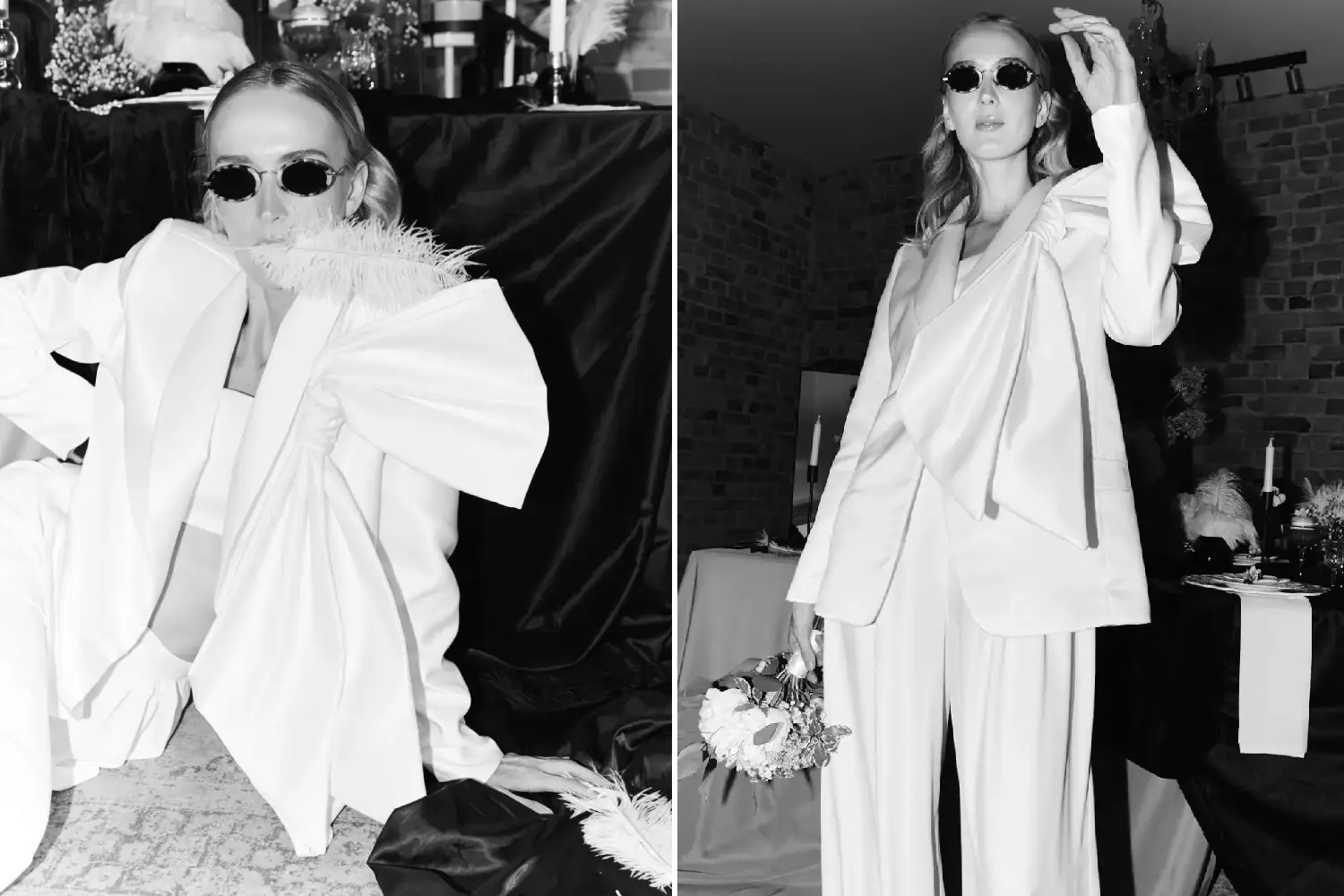
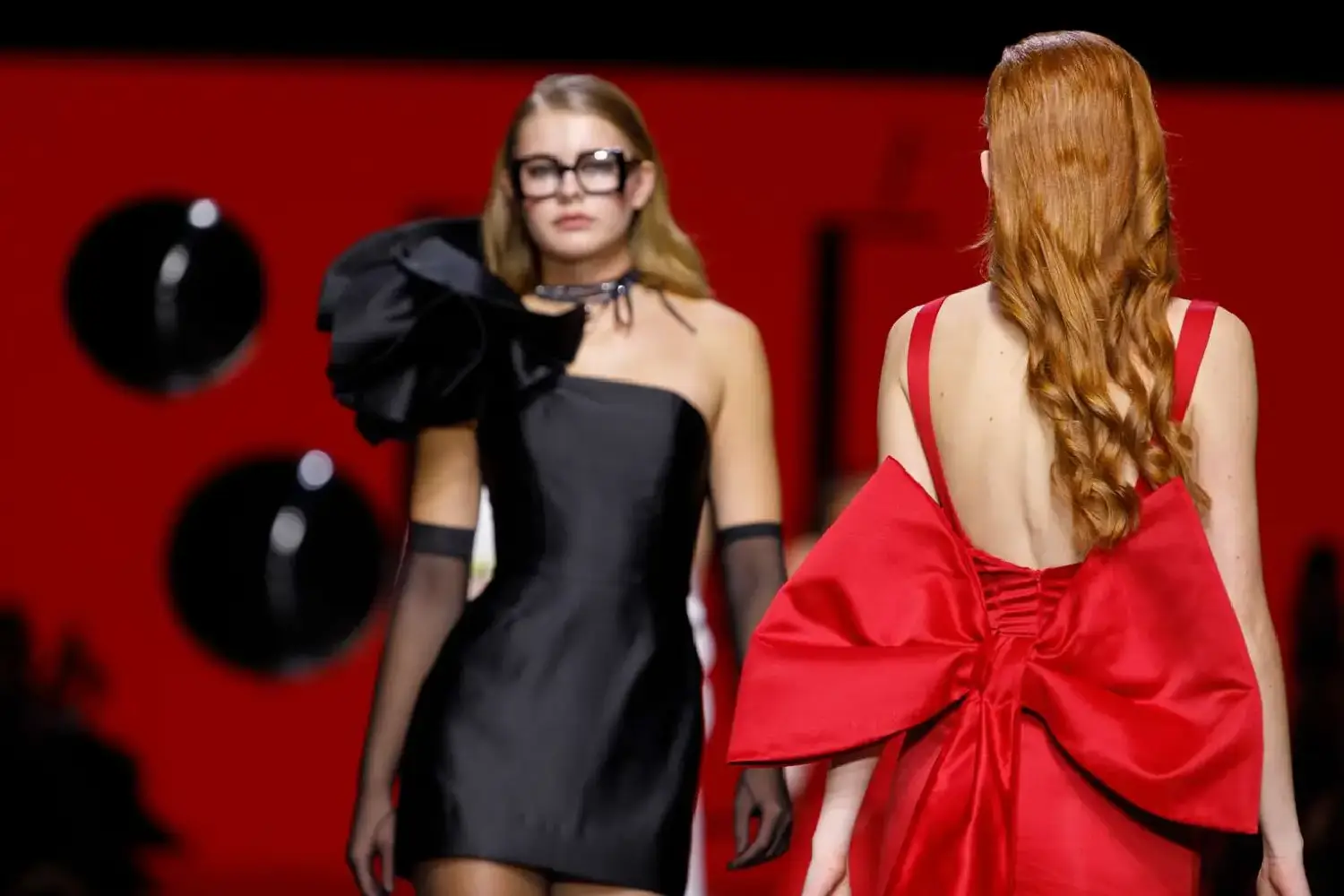
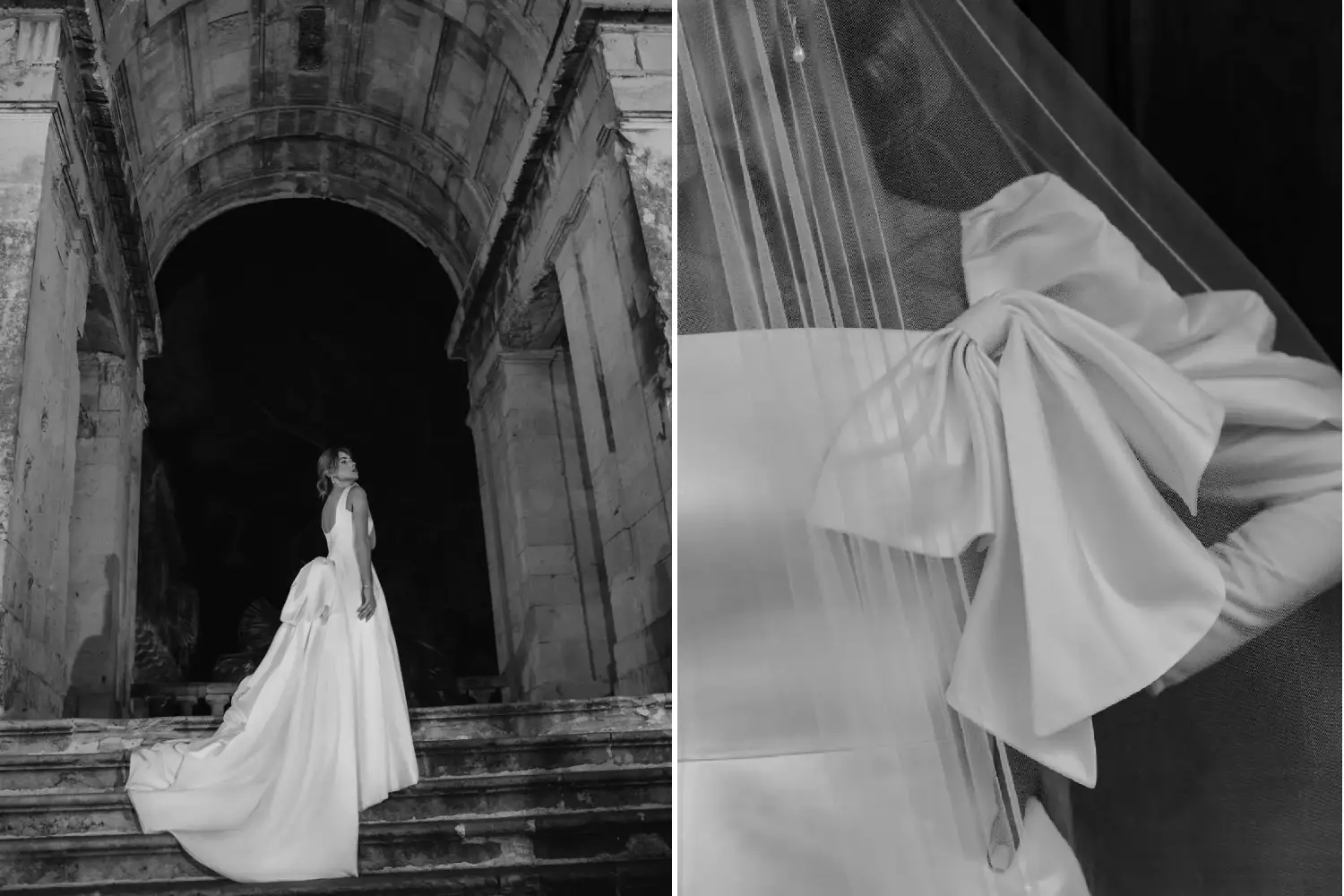
Current events in the fashion world change every season. The same thing happens with the most desirable dress in the world - the bride's wedding dress , whose design is given new elements every year by the prevailing fashion trends - be it an oversized bow, embroideries or other current elements. However, there are wedding dress designs that are relevant at all times, only their execution changes in nuances. Let's take a look - what are the TOP bridal wedding dress styles!
Before we look at wedding dress designs, let's take a look at the history of wedding dresses.
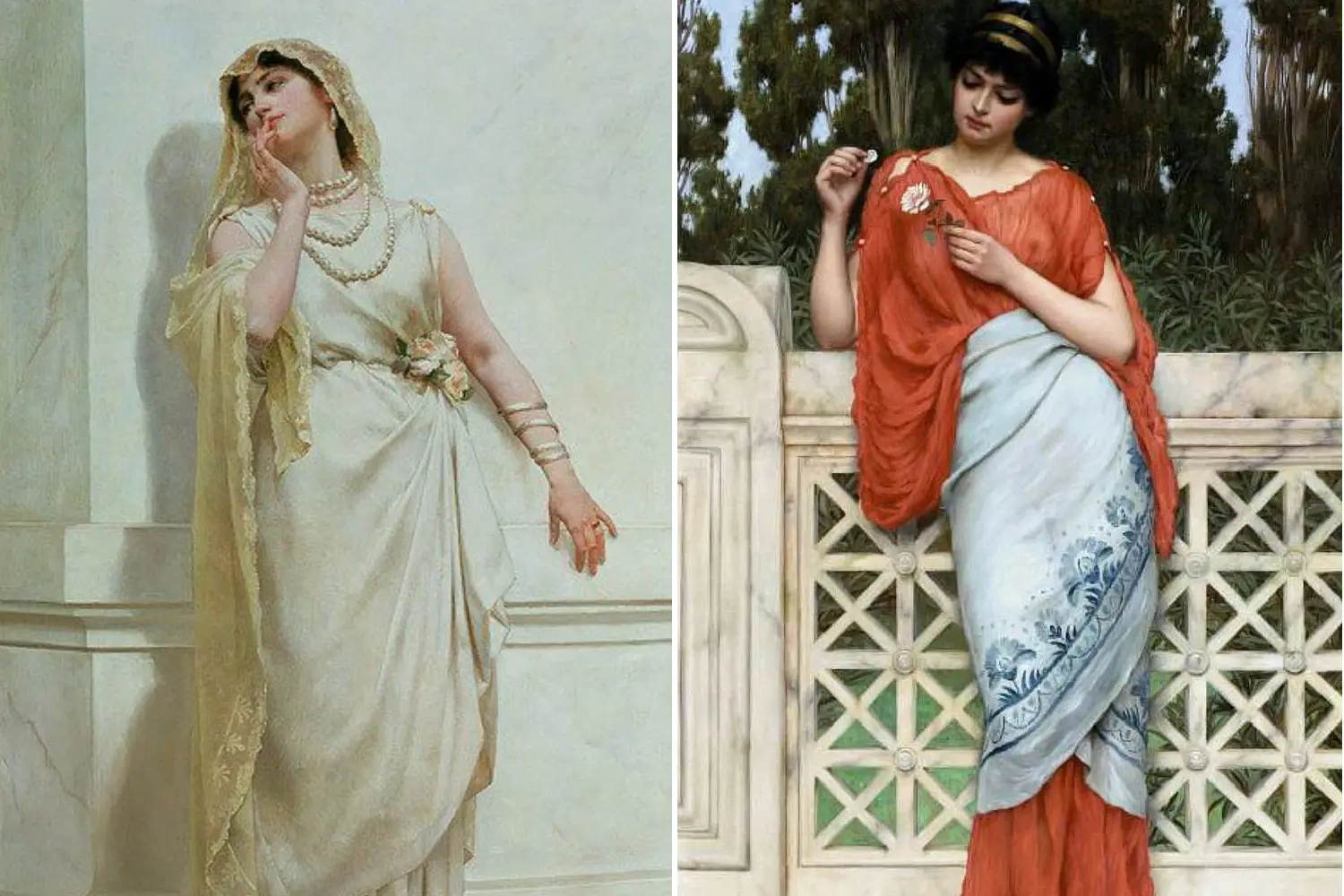
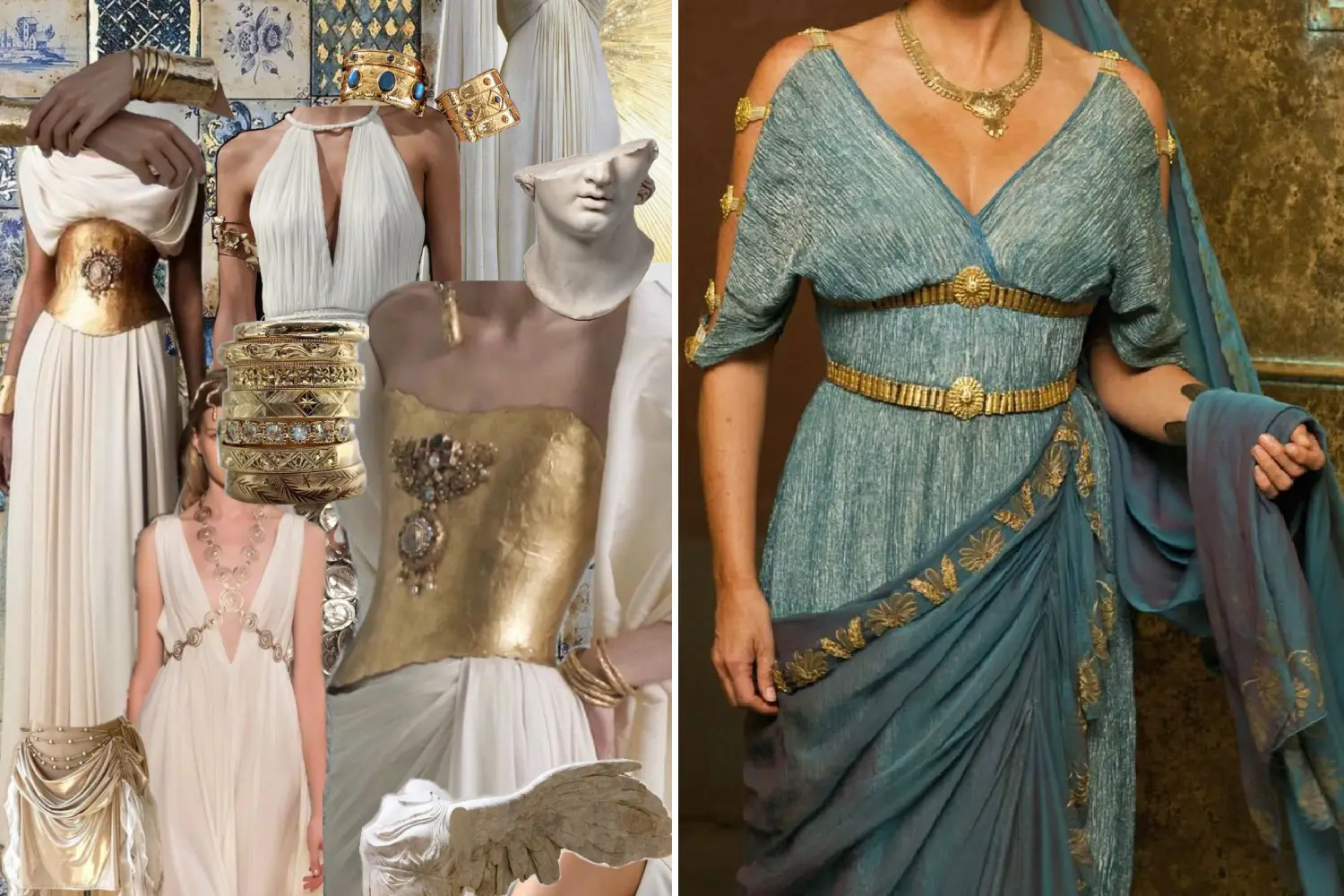
In ancient Greece, brides wore simple but elegant dresses in white or purple. They were complemented by belts and wreaths made of laurel leaves - a very beautiful and elegant outfit for a modern bride.
On the other hand, Roman brides wore bright orange or deep red tones, thus symbolizing the energy of fire and fertility. Her hair was decorated with a wreath of myrtle and orange blossoms. In both Greek and Roman society, a wedding was not only an intimate family event, as it tends to be today, but also a social event, and clothing was given symbolic and ritual significance.
Photo: PINTEREST
In medieval Europe, wedding dresses looked very different from today's standards. The color, fabric and decorations of luxurious wedding dresses indicated the family's wealth and status in society. Wealthy brides wore gowns of silk, velvet, and brocade embellished with precious metals and gems. Brides from the lower ranks often wore simpler clothes, but they too tried to look special. It is significant that white was not a popular color - it was considered impractical and associated more with mourning than joy. Deep, rich colors such as blue symbolizing purity, green symbolizing fertility and even red were popular.
Photo: PINTEREST
It is interesting that wedding dresses were often worn on other occasions as well - they were not disposable as we are used to today. Weddings were seen as an economic affair, so clothing had to reflect both practicality and family prestige.
The appearance of the white dress
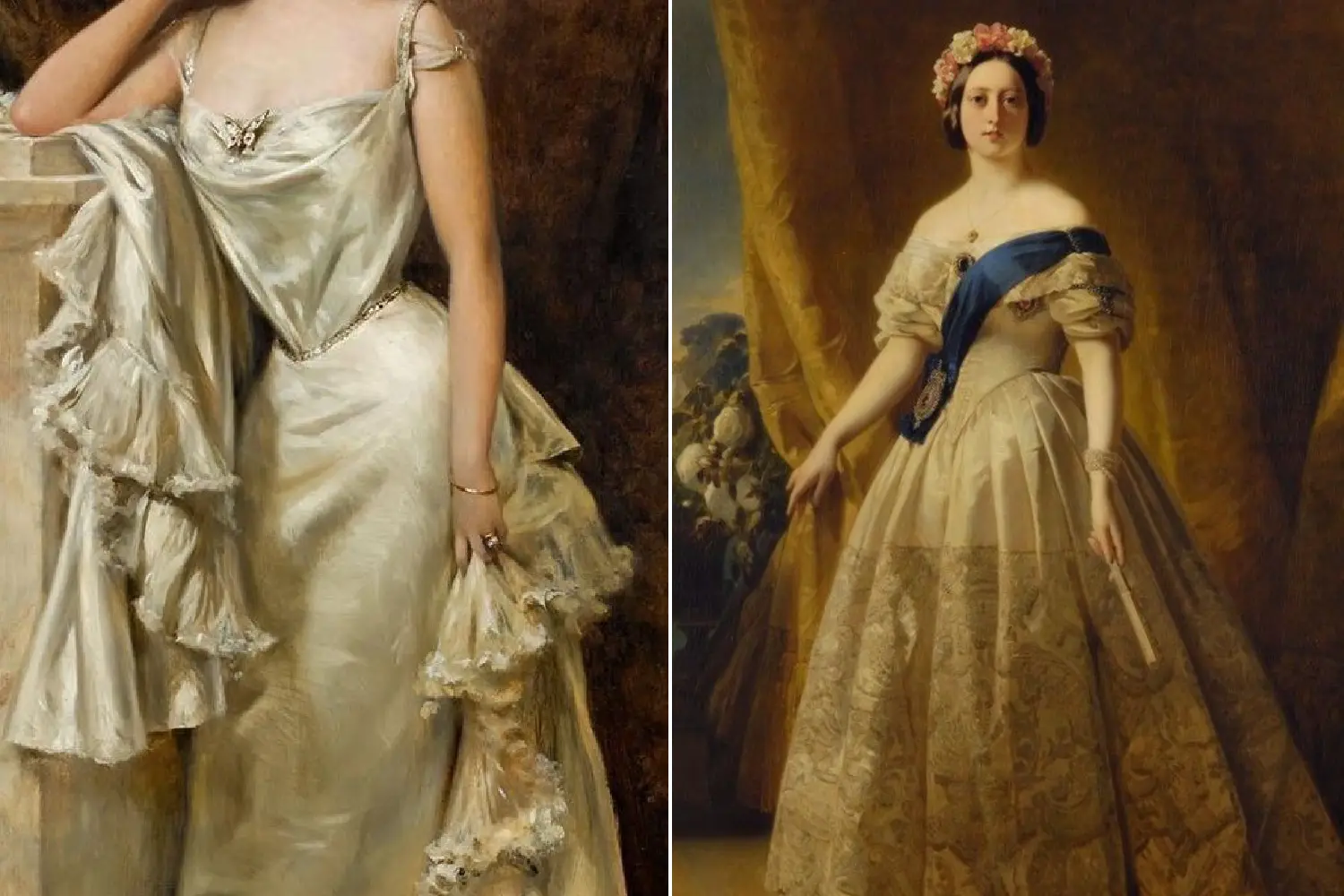
We can thank Queen Victoria for the popularity of the white wedding dress today. When Victoria married Prince Albert in 1840, she chose a white satin dress with rich lace - it was a revolutionary phenomenon in the fashion context of the time. The white color in it symbolized wealth at the time, as white cloth was difficult to make and even more difficult to keep clean. The society was inspired by this outfit and the white wedding dress started to become popular. Victoria's wedding dress was widely discussed in the press, and photos from the ceremony further reinforced the trend. In addition, Victoria's decision to wear white was also interpreted as a symbol of purity and innocence, which tied it to Christian ideals.
Although initially white color was chosen for wedding dresses only by representatives of the elite, over time this tradition became more accessible to the general public as well. During the Industrial Revolution, fabric production became cheaper and more diverse, so white fabrics became accessible to the middle class. In addition, at the end of the 19th century, the influence of education and society's moral norms increased, which further strengthened the white dress as a symbol of chastity.
Photo: PINTEREST | QUEEN VICTORIA
Another factor in strengthening such a choice was the advent of photography. The white dresses stood out and symbolically shone in the photographs, making them even more attractive and the image of the bride even more central. Fashion magazines also played an important role in promoting the white wedding dress as a fashionable and suitable choice for the bride.
By the beginning of the 20th century, white color had already become the norm for weddings in the Western world. That's not to say other colors didn't exist, but societal pressures and cultural ideals led many brides to choose white - often for symbolic reasons, even when practicality dictated otherwise. From a luxury whim and available only to the wealthiest strata, the white dress became a global wedding icon.
1920-1960 year wedding dresses
The beginning of the twentieth century marked huge changes both in society and in bridal fashion. After the First World War, women became more free in their choices - this was also reflected in wedding dresses. Brides often chose shorter dresses with low waists, fringes and art deco inspired details. It was the rebellious elegance of the era – a departure from the conservative form of the Victorian era.
1930-1940 In the 1990s, under the influence of the economic crisis and the Second World War, wedding dresses became simpler and more practical. Many brides borrowed or sewed their own dresses. Fashion magazines still showed dream outfits, but in reality a lot was determined by availability.
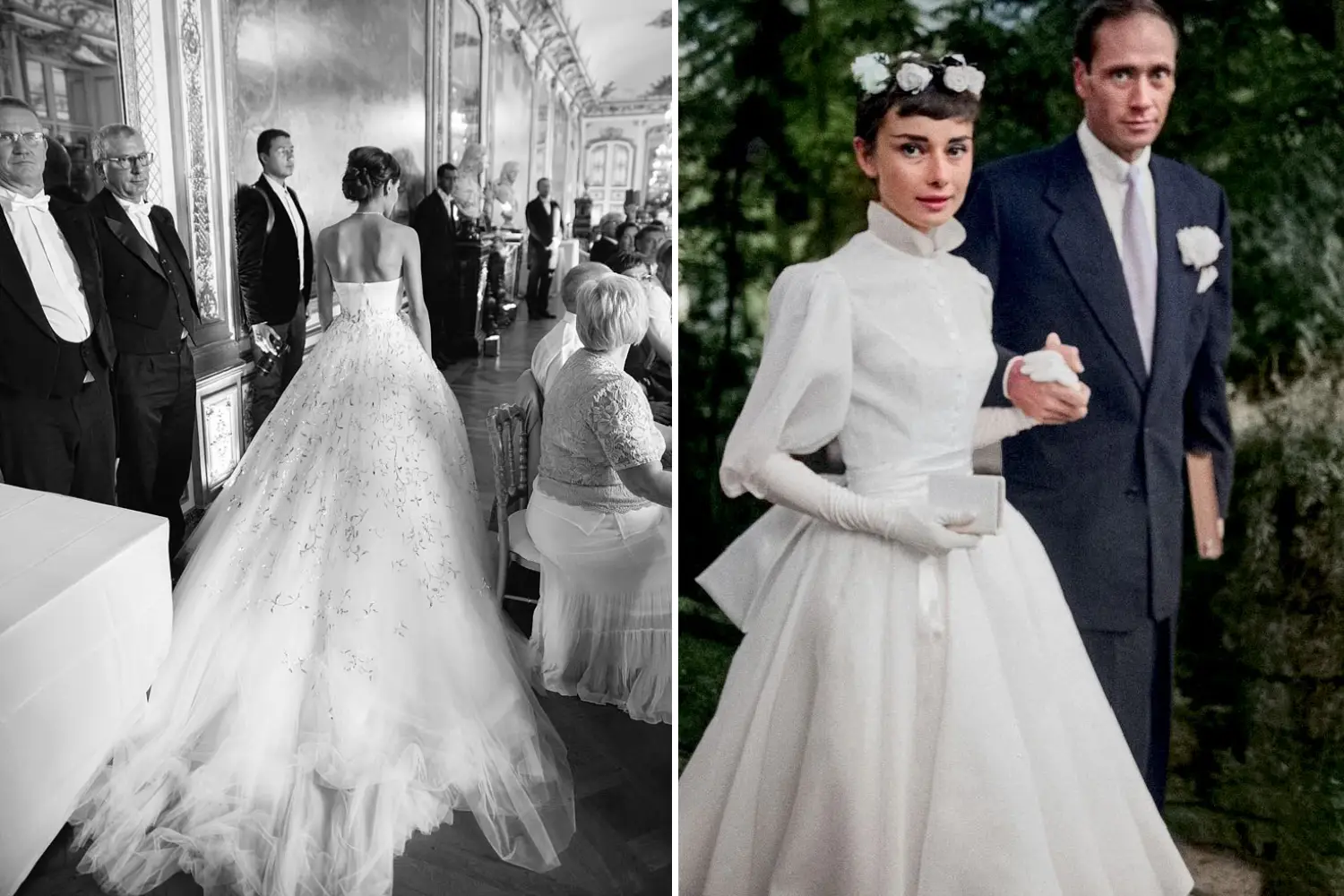
After the war - in the 1950s - the era of dream weddings began. Dior 's "New Look" with a narrow waist and a full skirt became the ideal that young brides dream of. In the 1960s, fashion became even bolder: mini dresses, lace-up booties and even pastel colors entered it. This was a golden era for style diversity and female individuality.
And the following is already well known to us - such fashion, such wedding dresses!
Photo: PINTEREST | DIOR NEW LOOK
Modern design freedom
Modern wedding dress fashion is no longer limited by rules or mandatory symbolism - it has become a form of self-expression. Many brides still choose the traditional white dress, but this is no longer a requirement. Creams, pastels, even black or colored dresses - anything is acceptable as long as it reflects the bride's personality. It must be said that even today, a choice other than a white wedding dress is considered bold and unusual.
The variety of styles is huge: from minimalist to bohemian, from vintage to modern pant suits . In order to realize unique and original wishes, wedding dresses are often made to order, but wedding dress designers also offer the most exciting wedding dresses for different tastes.
TOP 10 wedding dresses that are always relevant
1. A-line – the universal favorite
A-line dresses are also known as the safest choice because they suit almost any body type. They are also particularly popular from a practical point of view – they are comfortable to wear and allow you to move easily throughout the day. Modern versions are often supplemented with hidden pockets, flowing fabrics or 3D flowers. Interestingly, this style also originated from the 1950s Dior “New Look” revolution, when women began to emphasize the waist and feminine forms.
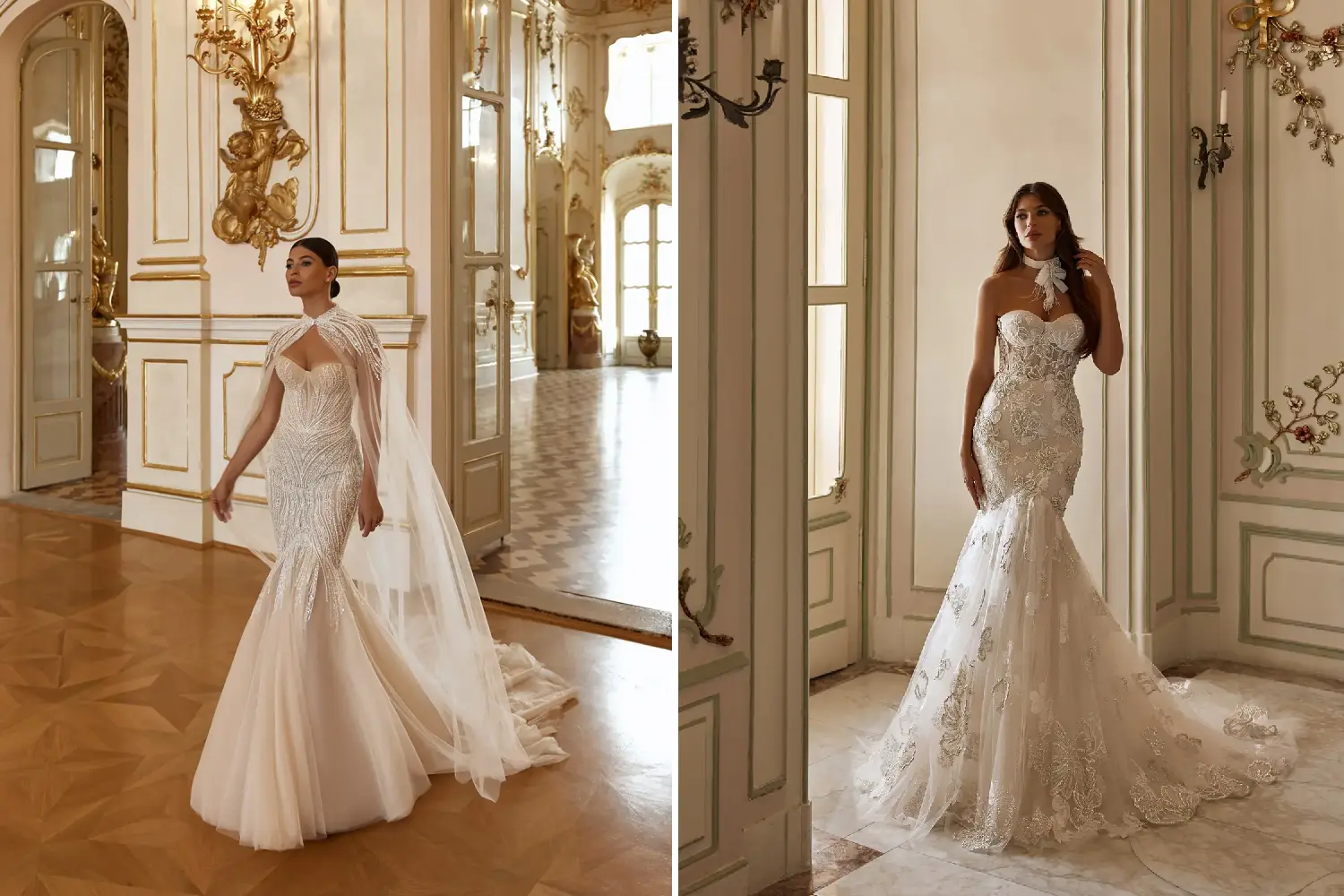
This dress is for brides who want to be effective. It perfectly highlights the forms, accentuating the contours of the feminine back and hips. Today, the mermaid style is becoming more relaxed - designers tend to use elastic fabrics and lighter corsets, making the outfit more comfortable than before.
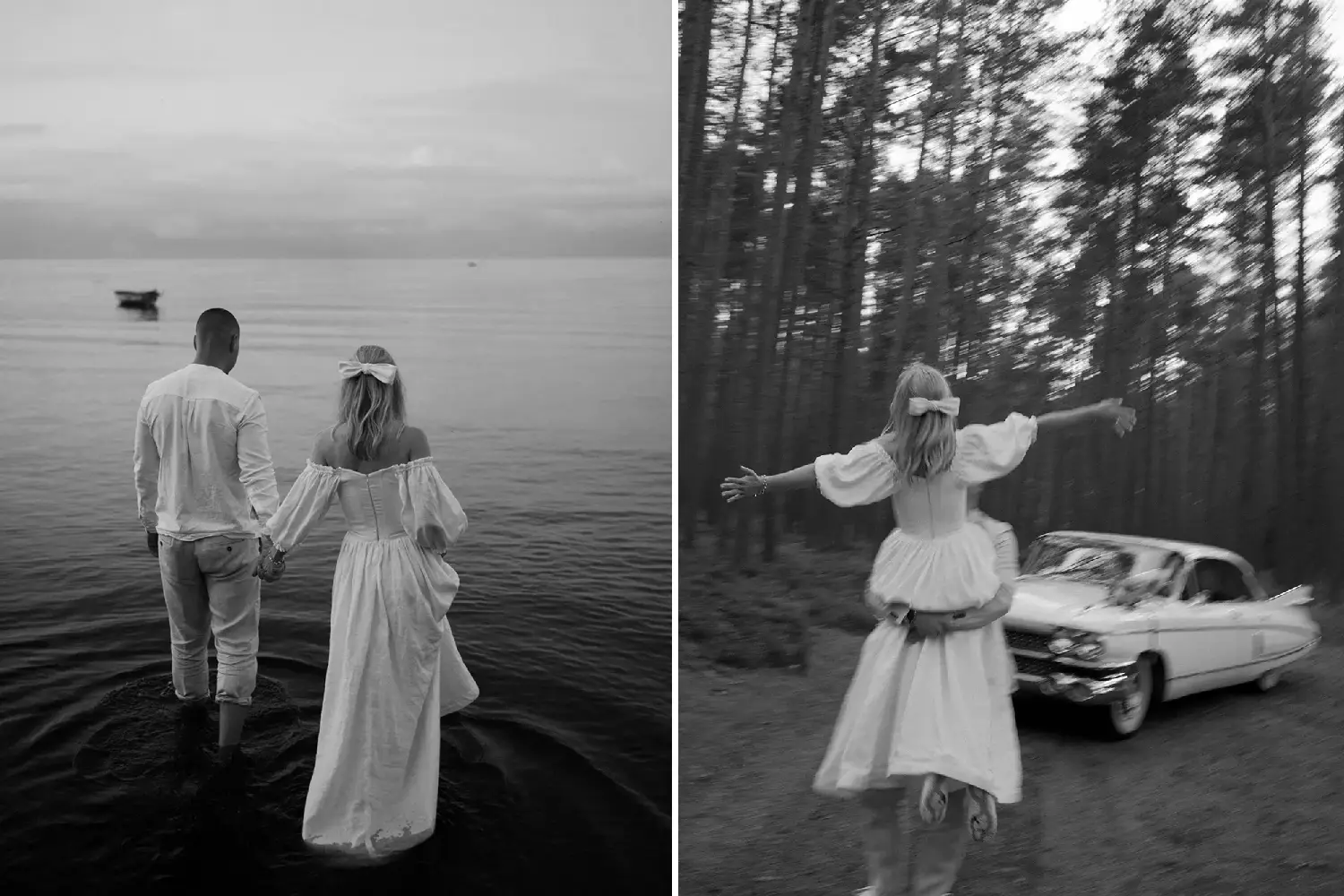
Bohemian style arose as a backlash against formal weddings, it became especially popular in the 2010s in the context of "hipster weddings". These dresses symbolize freedom, both literally and metaphorically. Brides often choose them for outdoor, beach or forest wedding ceremonies. Popular fabrics for boho dresses are lace, tulle, silk - everything airy and light, which does not limit. Many brides also choose a flower crown.
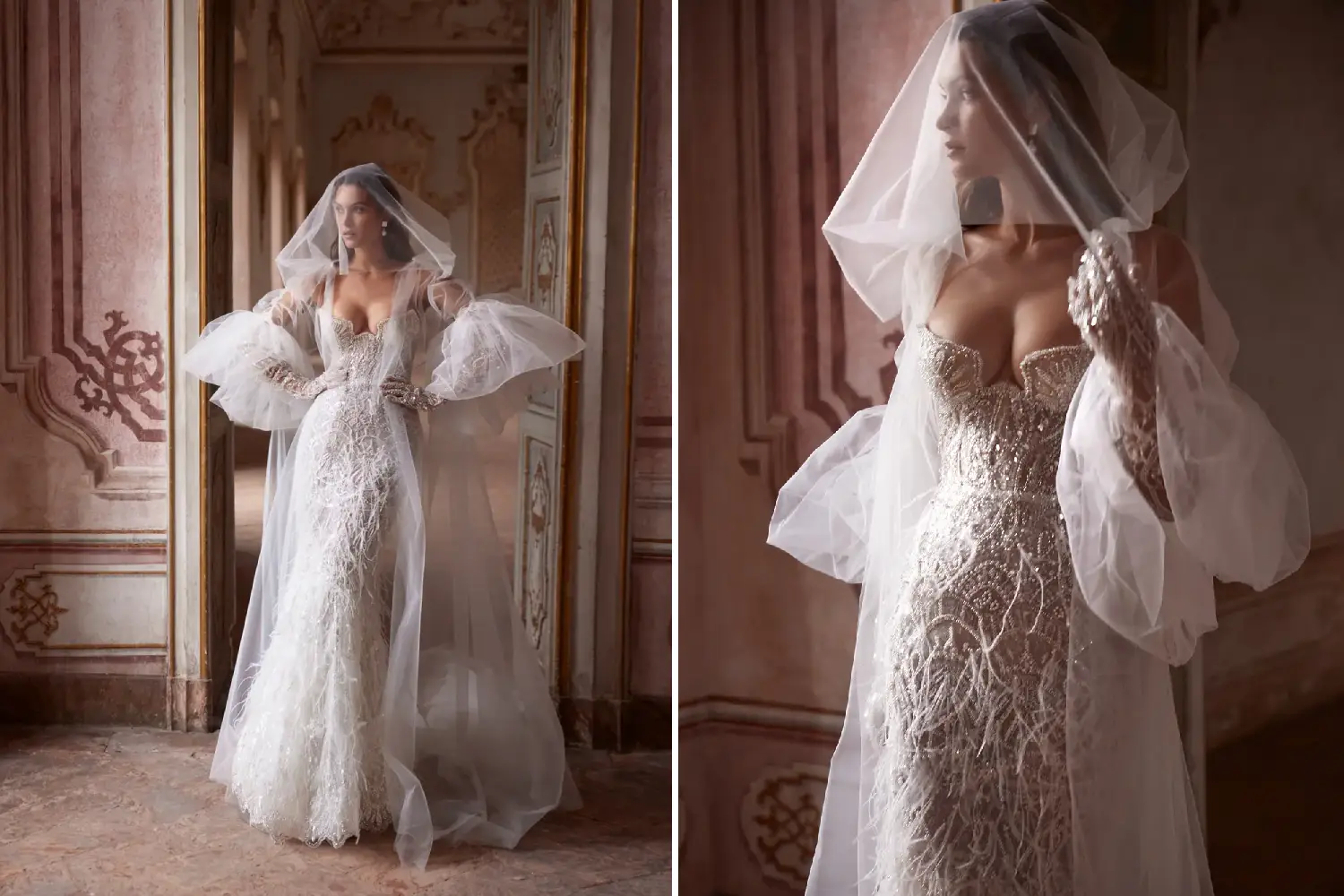
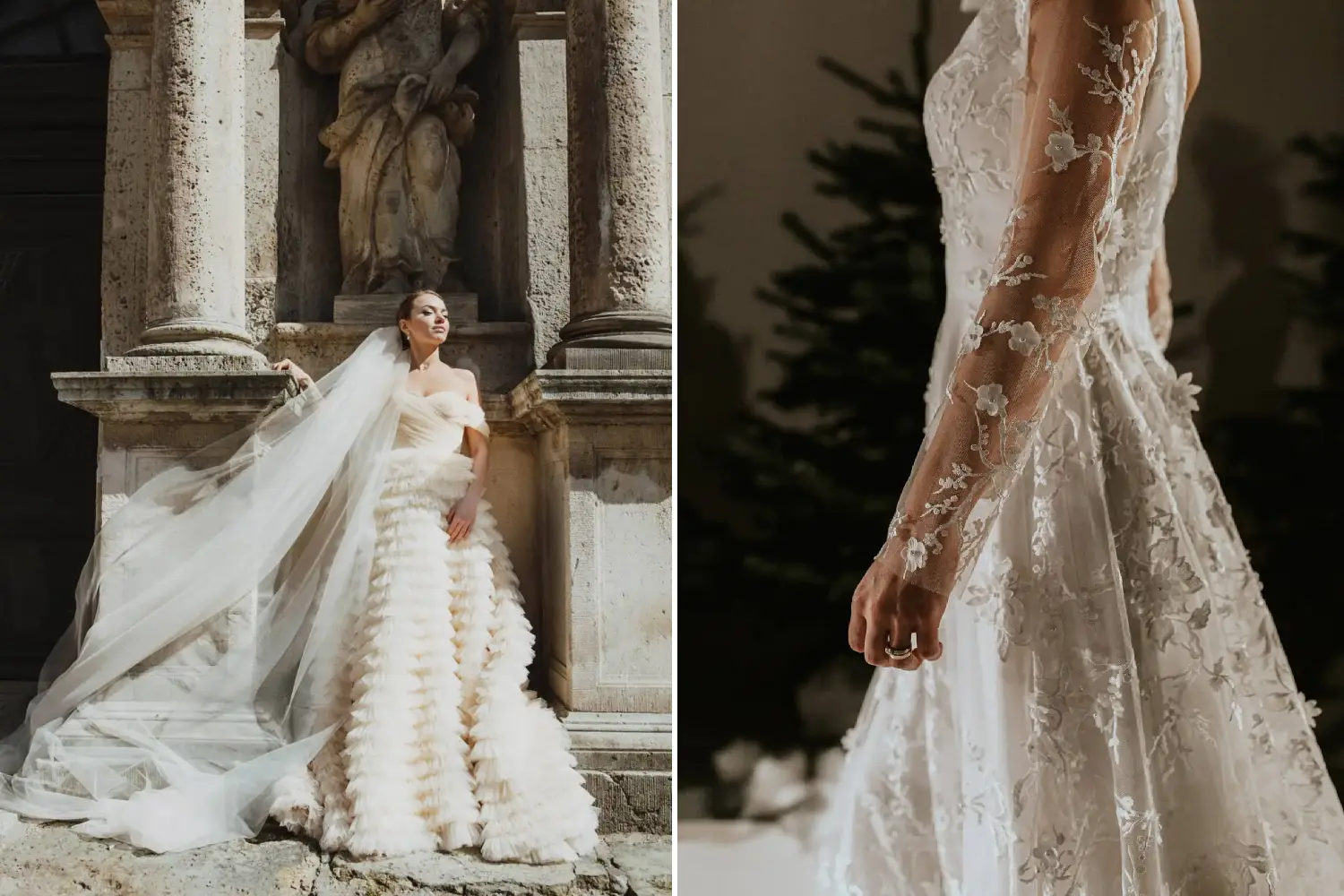
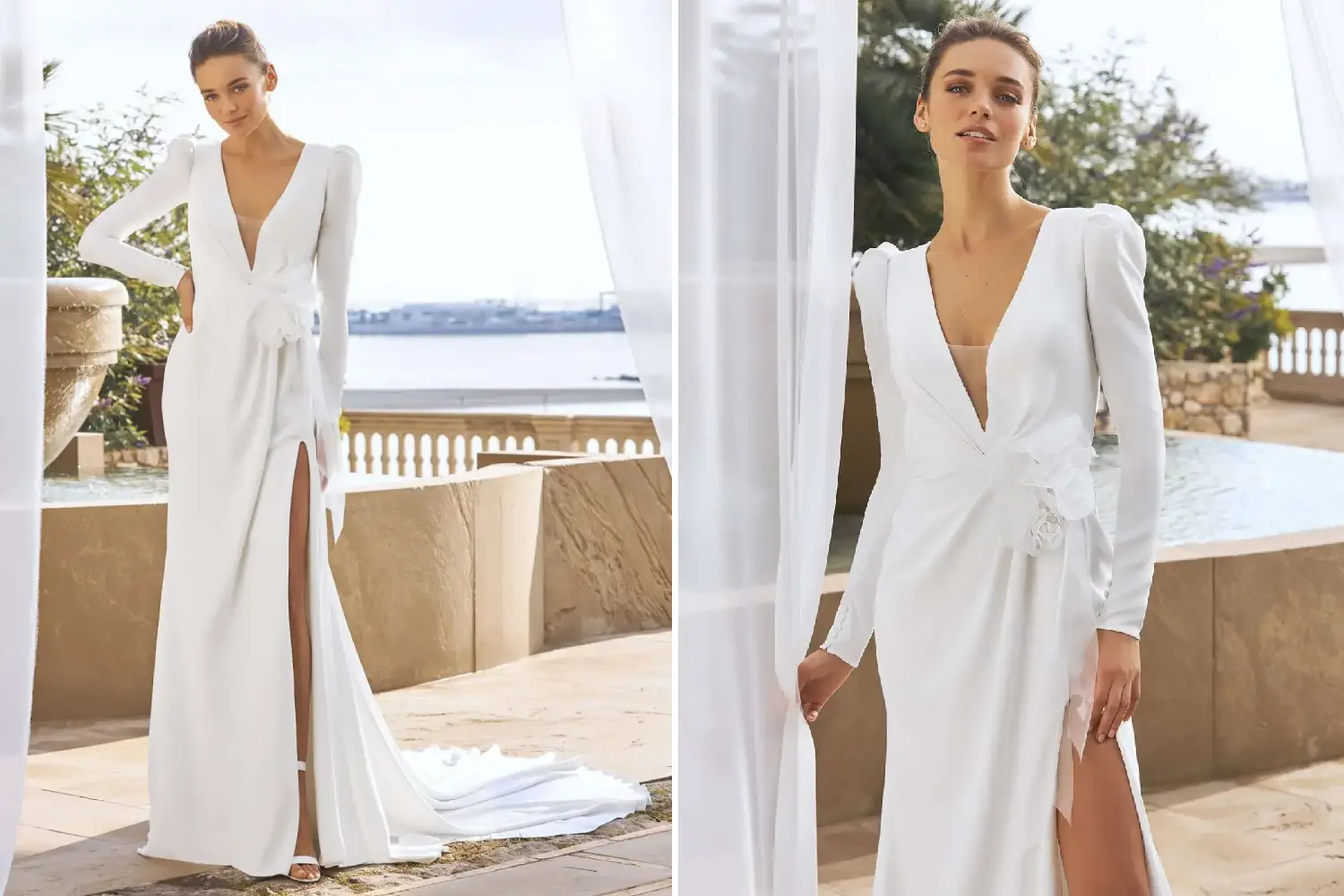
After many years of sleeveless dominance, countless variations of sleeves have returned to fashion - from transparent lace to luxurious "bishop" type sleeves. This style recalls the influence of royal weddings - for example, Kate Middleton inspired many with the classic silhouette and lace sleeves of her wedding dress.
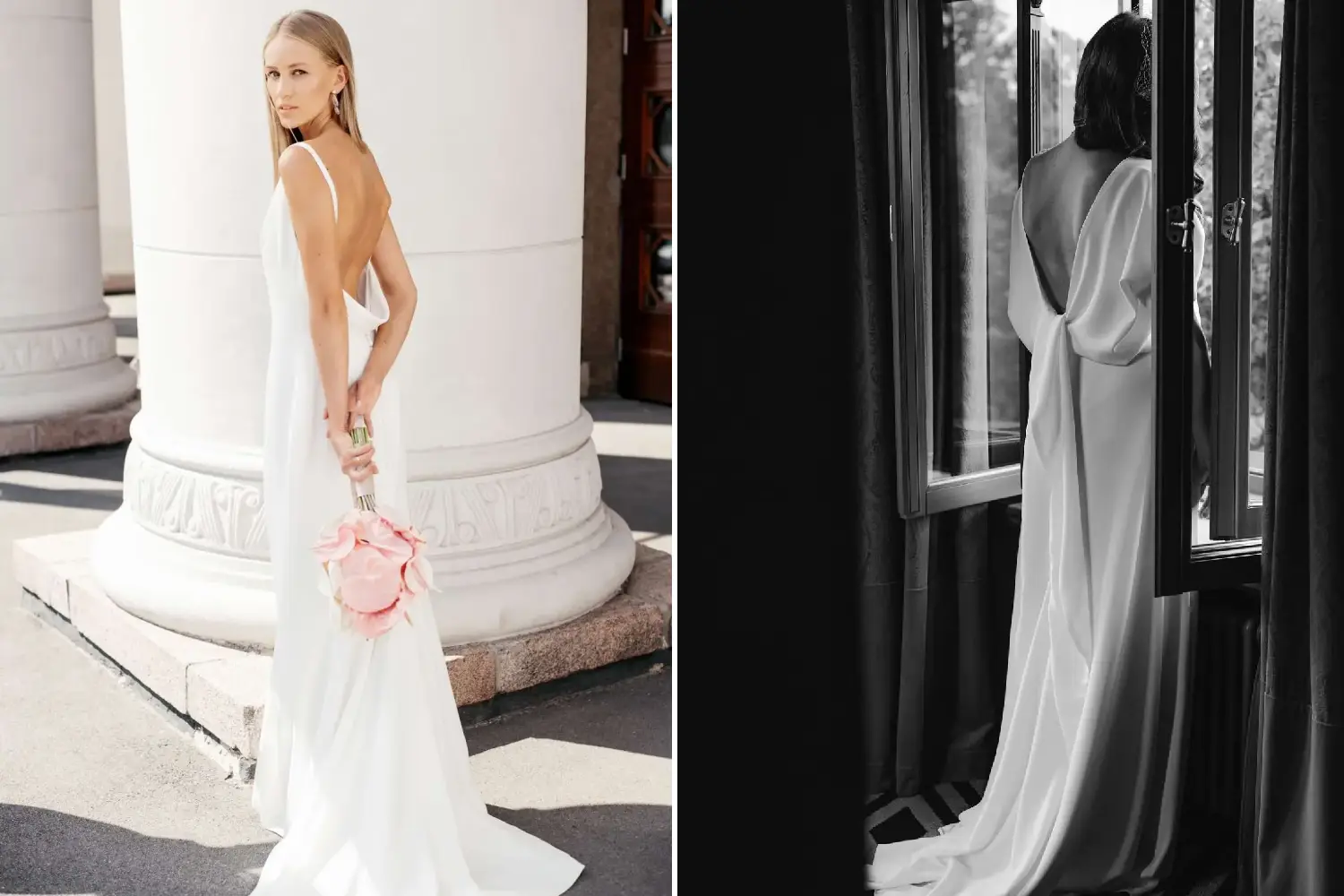
Dresses with plunging backs are often simple and restrained from the front, but create surprise and effect from the back. In order for the bride to feel comfortable and to provide support to the dress, designers often use transparent lace or tulle inserts.
Mini dresses symbolize not only modernity, but also confidence. They are often chosen by brides who celebrate a small wedding in the city, or for the evening part of the wedding day or party. In the sixties, mini dresses were common and today they are back with a new force and adding extravagance with a veil.
A wedding dress and pockets might have seemed like an incompatible duo until quite recently. However, modern requirements for comfort, practicality and sustainability have also introduced pockets into wedding dresses, which will be even easier to adapt for other purposes after the wedding. Pockets give the bride the opportunity to feel more free - without the need to carry a purse.
8. Originality of two-part sets
Two-piece wedding dresses are a creative alternative to the classics. They are often chosen by bold and confident modern brides who want to change their outfit during the day. The upper part of the outfit can be a lace top, a shirt with sleeves or a corset, while the skirt part is classically thick or elegantly restrained midi length. Such a set can also be supplemented with trousers in the evening part.
More and more brides choose to stand out with an unusual color. Dresses in pink, peach and beige tones add softness, while red or black - strength and confidence. Wedding dresses with colorful floral patterns and embroideries look wonderful.
High collars, corsets, lace overlays and puffy sleeves – a style that embodies historical glamour. Victorian-influenced dresses are becoming popular for vintage weddings and aristocratic wedding venues such as manor houses.
This website uses cookies to improve the user experience and optimize its performance. By continuing to use this website, you agree to the use of cookies on this website.
Read more

 share
share


.webp)