Wedding planning is often portrayed as a carefree and fabulous journey – with a glass of sparkling wine in hand, tasting cakes, and choosing soft pastel tones. But every couple who has crossed this threshold knows the truth: preparing for wedding is one of the most serious and intense tests of your relationship.
Beneath the beautiful aesthetics and invitation designs lies great responsibility, financial stress, and the first real experience of building a large joint project. Wedding is like a magnifying glass – it brings everything to light: how you resolve conflicts, how you protect your boundaries, and how freely you can talk about money.
Arguments during wedding planning are not a sign that you have chosen the wrong person. These are natural moments of adaptation, transitioning from a separate "I" to a shared "we." Here are ten of the most common stumbling blocks and a guide on how to overcome them with respect and love.
1. Budget limits and unforeseen items
The essence of the argument: One wants to invest in the atmosphere of an unforgettable evening, a top-class chef's menu, and live music, while the other feels anxious about the numbers in the estimate and prefers a more practical and restrained spending model.
Subconscious conflict: It is rarely about a specific sum. Most often, it's an argument about a sense of security and priorities. For one, financial savings mean peace for tomorrow, for the other – the ability to host a dream celebration is an expression of generosity and celebrating life.
Solution: Don't sit down with the estimate when you're tired after a long workday. Set a specific ceiling amount and divide it into two categories: "Mandatory Items" and "Wish List." Grant each of you one veto right or priority for which the other will never dispute the costs. 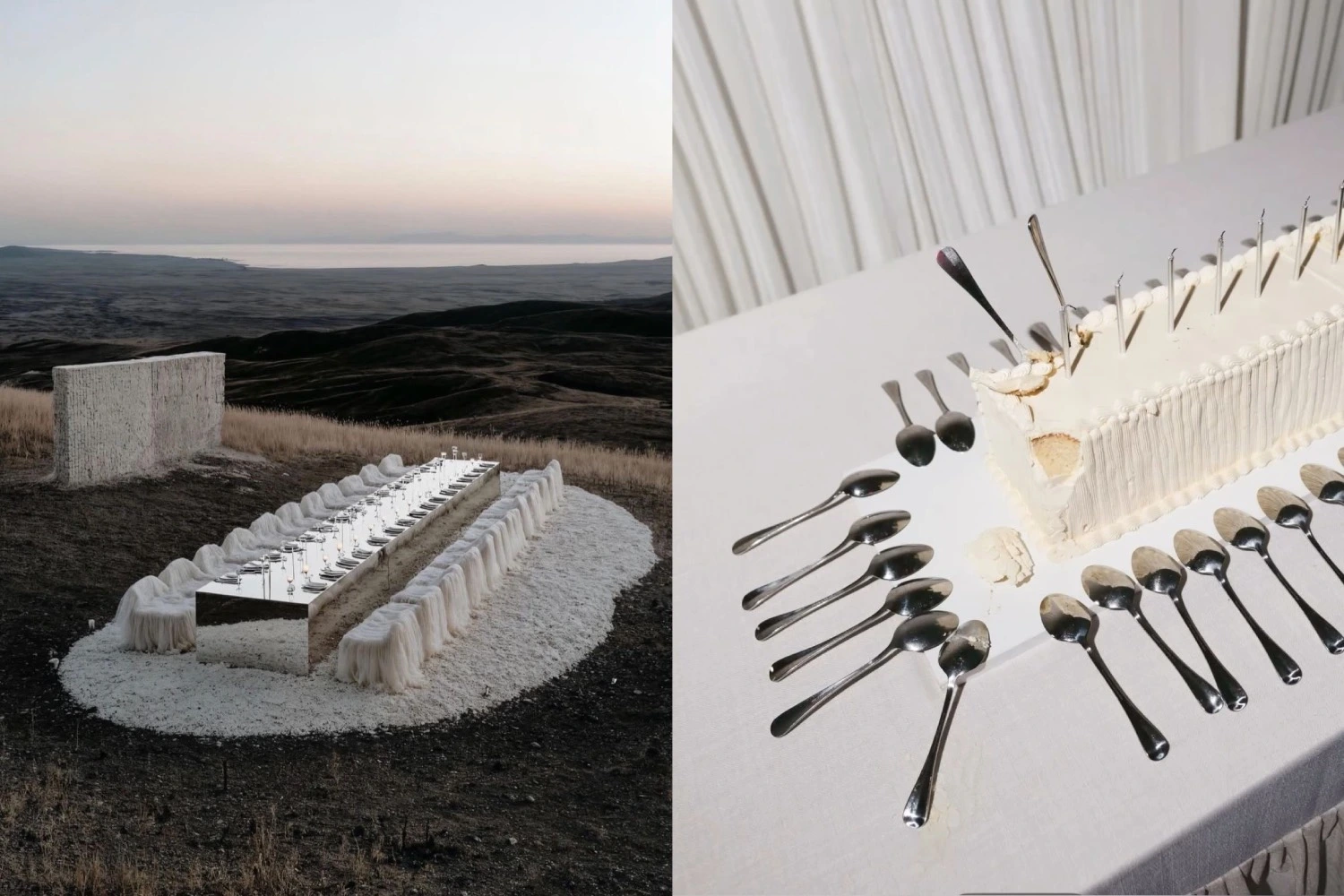
Photo: PINTEREST
2. Guest list
The essence of the argument: Where to draw the line? Do you really have to invite a second cousin to wedding who was last seen ten years ago? And what about acquaintances who recently invited you to their wedding?
Subconscious conflict : This argument reveals how you perceive your social space. For one, wedding is a gathering of the entire community and extended family, for the other – a particularly intimate, fragile, and personal moment that they want to share only with their closest ones.
Solution: Introduce the "3-year rule" – if you haven't met in person or regularly called a specific person in recent years without a special reason, their absence from the celebration will not be an offense. Retain the right to create a circle where every glance makes you feel safe.
3. Relatives' interference and parental pressure
The essence of the argument: Parents provide (or offer) financial support, but with it, they want to determine the venue, church, traditions, or dictate the guest list. One partner tries to please the parents, the other feels betrayed and unnoticed.
Subconscious conflict: A test of loyalty. Can you stand by your partner and separate from your childhood family, creating the autonomy of your new family?
Solution: Each person talks to their own parents. Be firm, but very kind. If parents help financially, assign them a specific "their" zone – for example, entrust them with the care of pre-wedding dinners or the dessert table, keeping the most important ceremony and evening concept in your own hands. 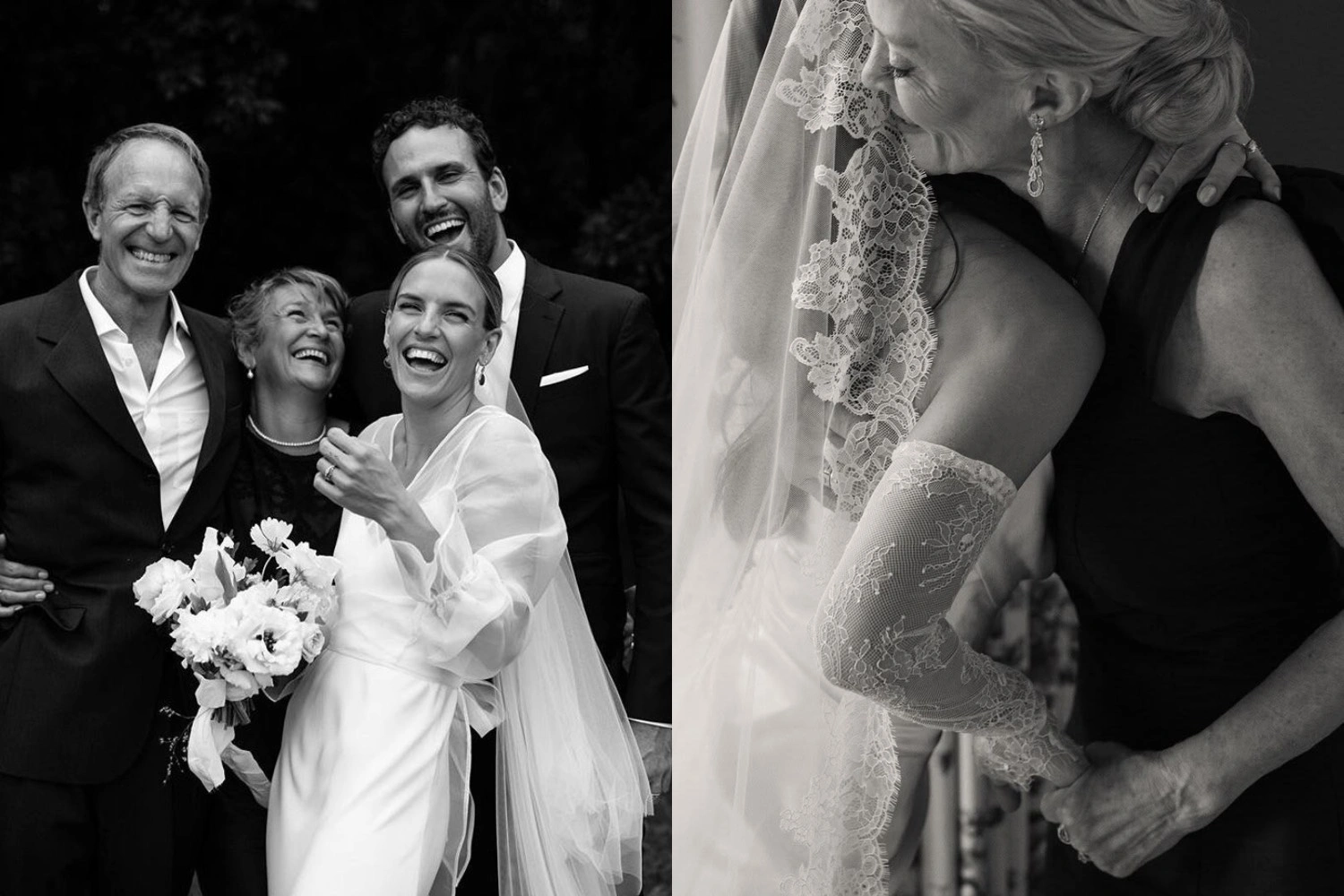
Foto: PINTEREST
4. Aesthetics, style, and concept conflicts
The essence of the argument: An elegant castle with fine details versus a relaxed, natural outdoor festival in the countryside. One dreams of a classic format, the other of an informal party.
Subconscious conflict: A feeling of fear that the overall visual and atmospheric image of the celebration will not reflect your true personalities.
Solution: Wedding is not a one-person solo performance. Look for a middle ground, combining opposites. Make the ceremony intimate and solemn, but the informal part of the evening and dancing – relaxed and light. Don't forget that the most important decoration is your mutual peace.
5. Division of responsibilities
The essence of the argument: One feels that they are bearing the entire burden of planning on their shoulders (calls, emails, meetings, coordinating details), while the other only connects at the last minute with the phrase: "Do it however you like best."
Subconscious conflict: Feeling of abandonment. The imbalance suggests that for one, these wedding and their opportunity are significantly more important than for the other.
Solution: The phrase "let's do everything together" most often leads to chaos. Divide specific areas of responsibility. If one takes care of decorations and the visual framework, the other takes full responsibility for logistics, transportation, drinks, or technical support. 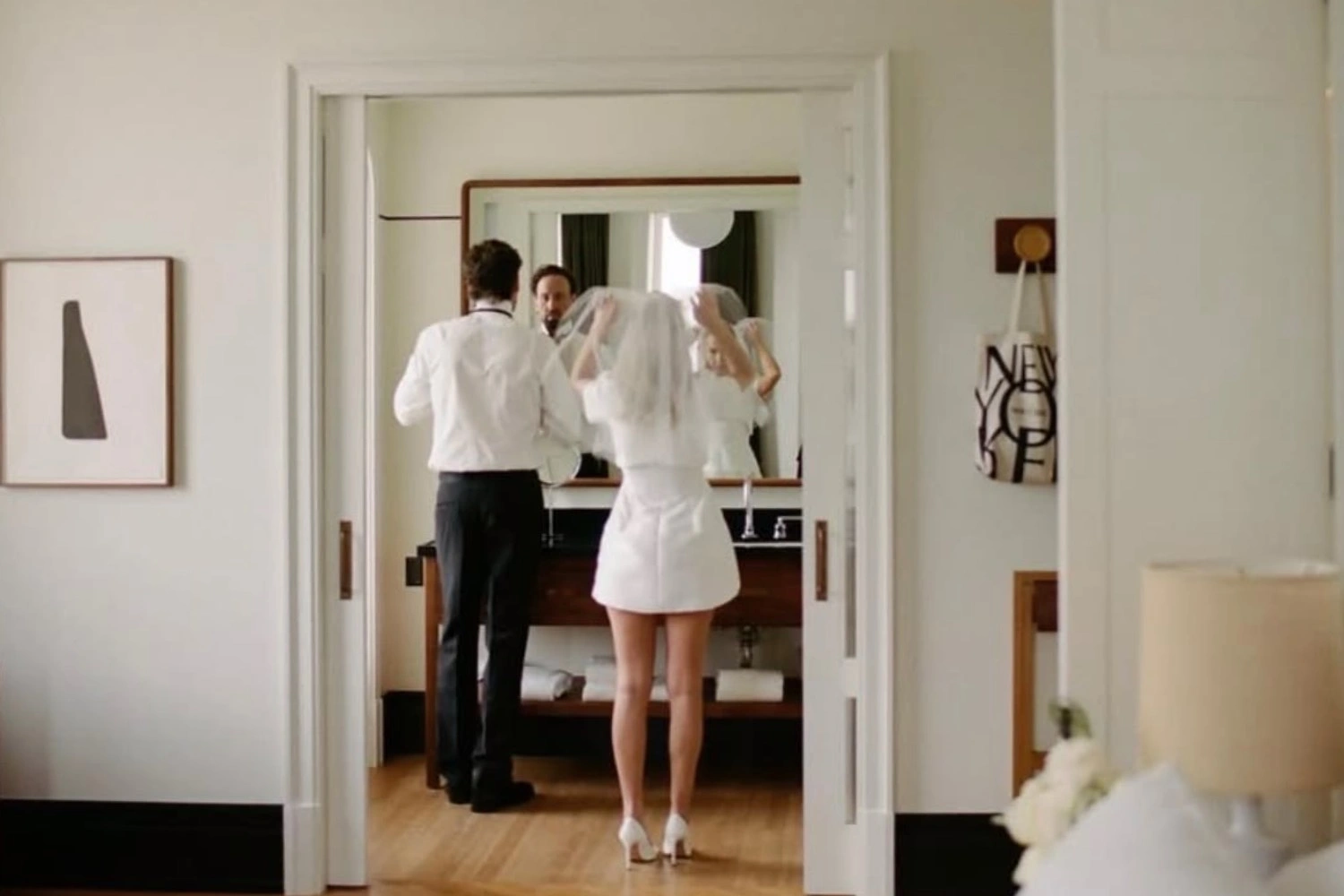
Foto: PINTEREST
6. Traditions versus modern freedom
The essence of the argument: Putting on a cap, bridges, ransoming, and gates versus a modern, light party without tense rituals.
Subconscious conflict: Belonging to ancestral heritage versus personal authenticity.
Solution: Don't perceive traditions as duties carved in stone. Rewrite them. Keep only those rituals that, in your eyes, have true, deep, and symbolic meaning. If an element makes you feel uncomfortable or artificial, it does not have to be at wedding.
7. Children at celebrations – yes or no?
The essence of the argument: One wants a romantic, adult evening celebration with a calm atmosphere and cocktails, the other cannot imagine the celebration without the laughter and presence of close friends' and relatives' children.
Subconscious conflict: Concerns about the dynamic of the celebration's atmosphere and respect for friends who have families.
Solution: Clear and timely communication works best here. If you choose a celebration without children, state it in the invitations with love and understanding. If you choose to invite families with children, provide a separate corner, animator, or nanny so that parents can also enjoy the celebration. 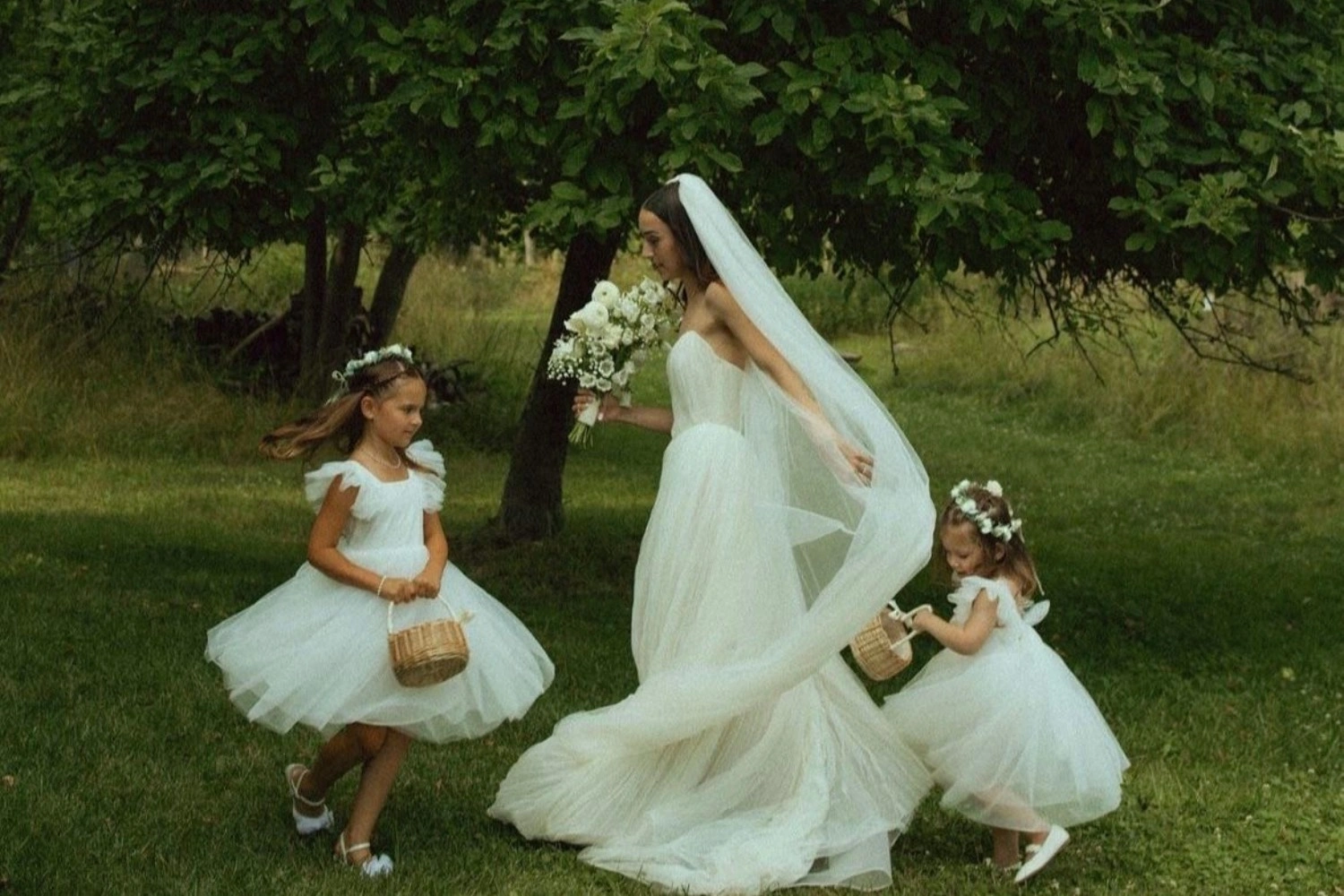
Foto: PINTEREST
8. Seating plan and table zones
The essence of the argument: How to seat separated parents, relatives with different views, or friends between whom unresolved conflicts exist?
Subconscious conflict: Fear of awkwardness, chaos, and social tension on the most important evening.
Solution: Don't get carried away trying to re-educate adults in their mutual relationships. In the seating plan, follow the principle of comfort – group people by common interests, energy, and age, creating safe and pleasant conversation bubbles.
9. The preparation process that takes over your entire life
The essence of the argument: Every dinner, every free weekend, and even conversations before bed turn into a wedding organizational meeting. One of you feels burnt out and longs for normal, everyday attention.
Subconscious conflict: Fear of losing partnership and romance behind endless to-do lists.
Solution: Introduce a strict "no-wedding" zone. For example, determine that on Sundays or after 8:00 PM, wedding is not discussed at all. Leave room for regular dates where you listen to each other and love each other not as a groom and bride, but as two close people.
10. Scale of the celebration and perfectionism syndrome
The essence of the argument: The desire to control every detail and achieve social media-level perfection versus the desire to relax, laugh, and simply surrender to the flow of the day.
Subconscious conflict: Fear of public judgment and mistakes.
Solution: Perfect wedding do not exist. The best, most beautiful, and unforgettable moments are most often those that cannot be planned – a random drop of rain, spontaneous laughter, or an unexpected guest performance. Learn to let go of control and trust your chosen team. 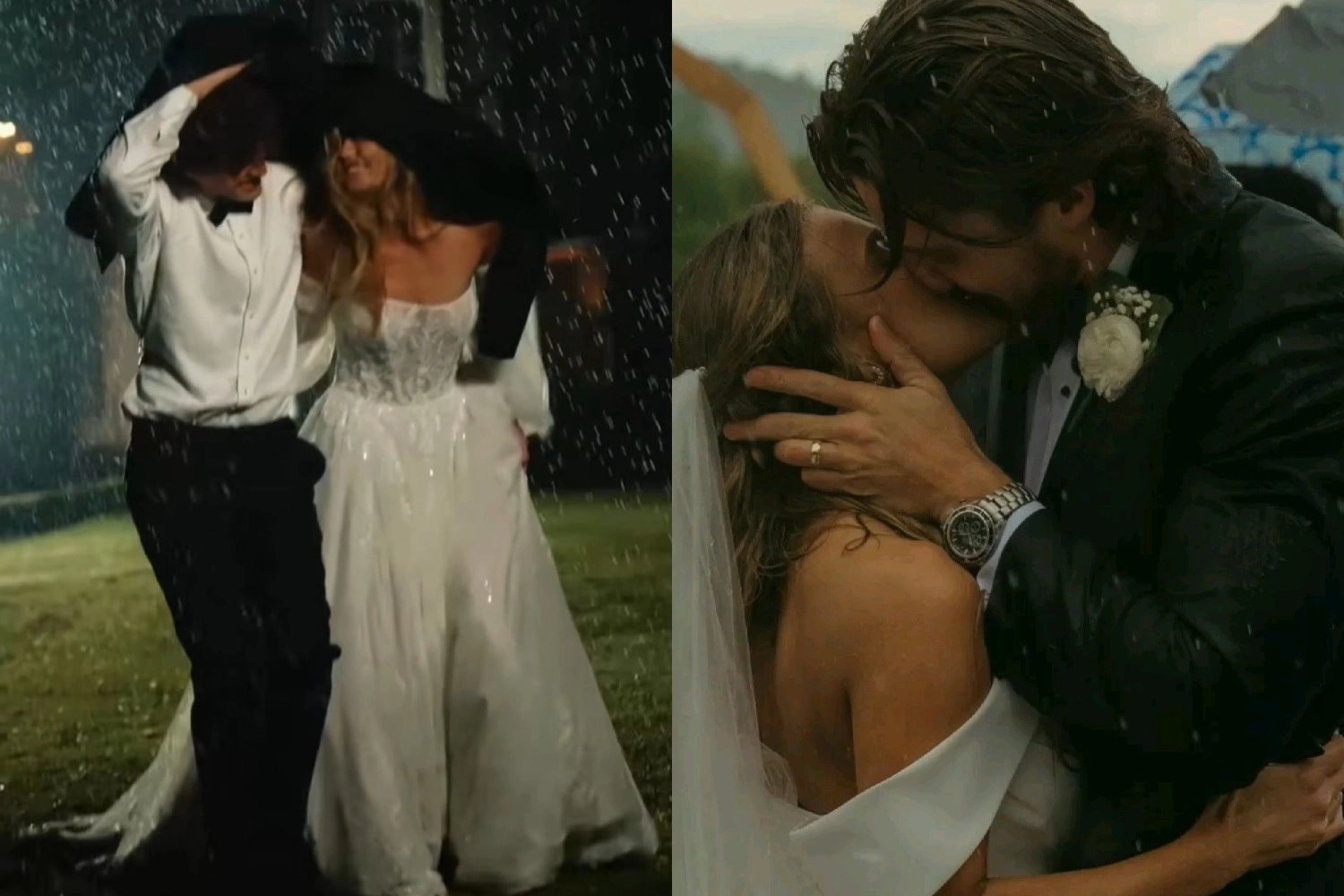
Foto: PINTEREST
What to do if it seems that before wedding we argue much more than in all lifestyle years?
That's absolutely normal. Wedding planning brings with it immense external pressure, lack of sleep, and finances. Don't perceive it as a sign of relationship quality — perceive it as training. This is a time when you learn to be a team in stormy waters. To learn how to maintain peace and mutual connection during planning, read in the section Ideas & Tips : Planning and Lifestyle.
How not to let parental opinions and grievances ruin our celebration?
Remember that parental reactions often stem from love and a desire to be part of your important moment. Listen to them with respect, but make decisions as a couple. If the conflict becomes too sharp, involve a professional — experienced organizers know how to gently and diplomatically absorb the communication impact themselves. You can find experienced team members in the section Wedding : Wedding agencies and wedding organizers, and find inspiration for open conversations in the section Ideas & Tips : Intimate Conversations.
How to stop comparing your wedding planning and budget with beautiful pictures of other couples?
Social media images show only the end result, but never reveal the hours of stress, debt, or arguments that happened behind the scenes. Focus on how you feel, not how you look from the outside. To find realistic tips and inspiration for your celebration, browse the sections Ideas & Tips : Funding and For Inspiration.
Where to find the right team members and specialists who will take the burden of planning off our shoulders?
A wisely chosen team of professionals is the best remedy for wedding stress. They know all the logistical nuances and can prevent problems before they even arise. Starting with venues and decorators to photographers, you will find all reliable partners in the sections Wedding : Wedding celebration venues, Wedding decorations and Wedding photographers.

 share
share