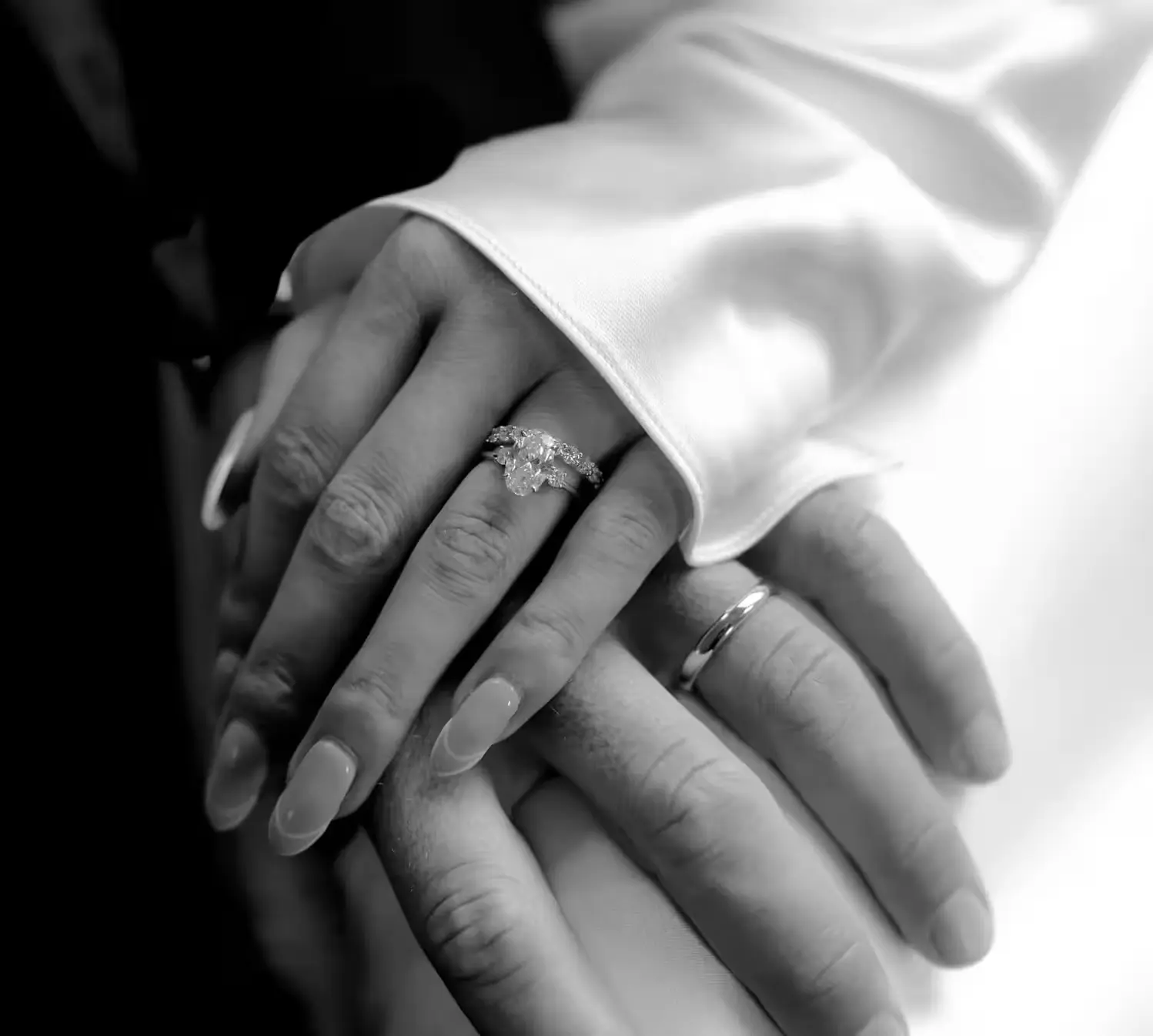
You have just got engaged and are experiencing one of the most beautiful and emotionally saturated stages in a person's life - here is the beauty of falling in love, joint plans for the future and the first tasks of organizing a wedding.
When you have decided how long you want to get married, it is time not only to choose the place of the wedding celebration, to think about the wedding concept, to dream up the feelings of the wedding day and to find your wedding service providers, but also to start organizing the formalities. And the first step is to submit the application and the documents necessary for the conclusion of the marriage to the registry office in the territory of which the wedding is planned.
Today, more and more couples are asking themselves the question: is it necessary to get married officially in order to strengthen the importance of their relationship - maybe a symbolic ritual is enough? However, it must be remembered - an officially concluded marriage is the legal security of the couple's rights. If you live together without an officially concluded marriage, legal partners are strangers to each other. This circumstance can play a decisive role in critical moments of life, as well as cause financial losses.
Official marriage is both the strengthening of your intentions emotionally, familially and socially, as well as taking care that neither you nor your partner have to prove your importance in the other's life during challenging life stages.
Marriage registration and documents for weddings
Submission to the registry office
Article 41 of the Civil Law stipulates that the marriage is concluded no earlier than one month and no later than six months after the submission of the application and other documents necessary for the conclusion of the marriage to the registry office, if there are no legal obstacles to the conclusion of the marriage (for example, one of the partners has not officially divorced the previous marriage).
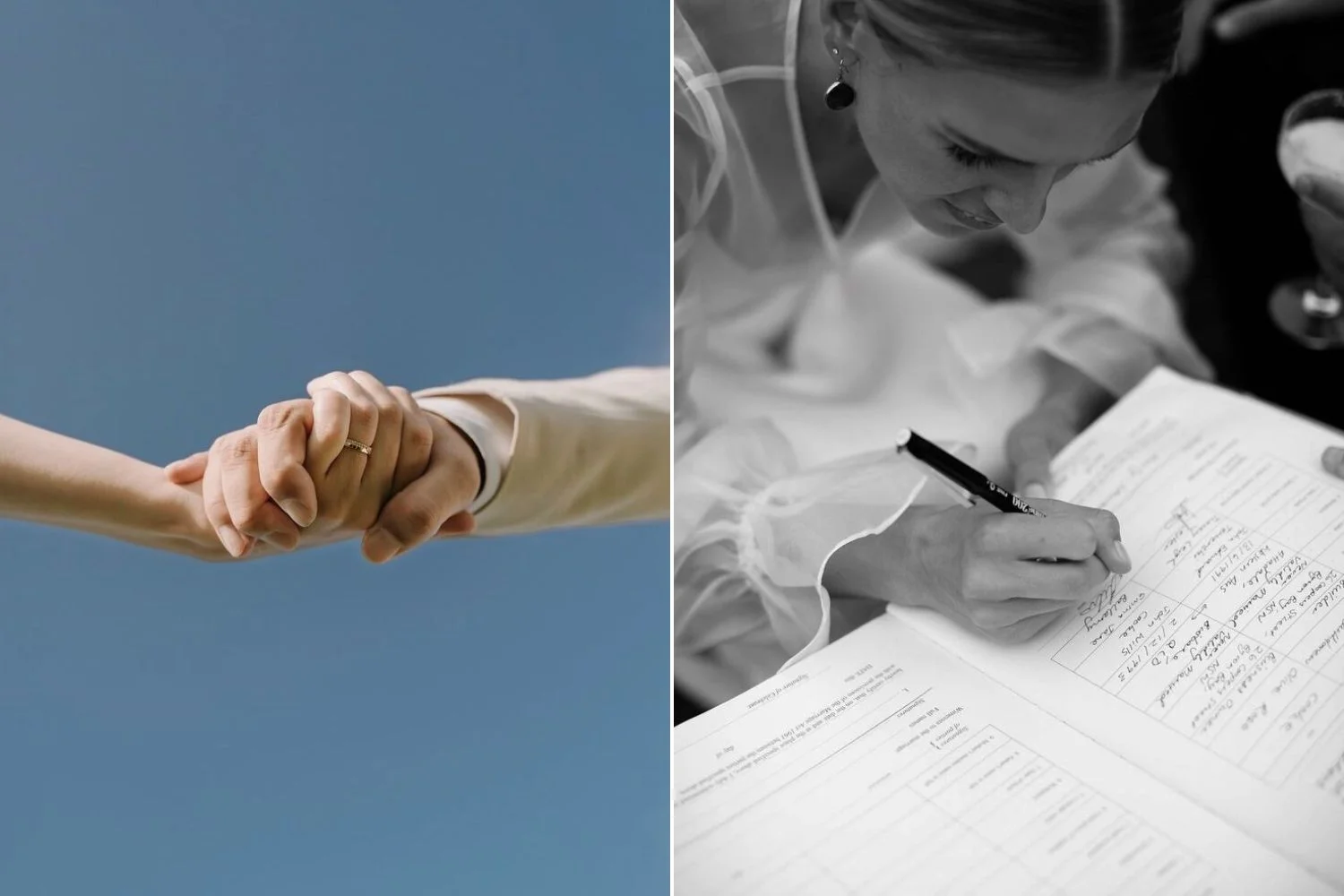
In order to apply for marriage registration, a joint application signed by both partners must be submitted to the civil registry office in a certain form, when both partners come to the office in person. At the same time, it is allowed to submit a marriage application electronically, if the application is signed with a secure electronic signature and has a time stamp.
The application for concluding a marriage must be submitted to the registry office where the marriage is to be concluded. If you plan to get married in a beautiful manor, nature or other place - the application should be submitted to the registry office where the chosen ceremony place is located. For example, if you want to get married in the territory of Kuldīgas county, the application must be submitted to the registry office of Kuldīgas county.
The marriage is concluded in the personal presence of the bride and groom. The presence of witnesses in the ceremony is a free choice of the new couple, which means that it is possible to get married even if you come to the wedding ceremony as a couple - without witnesses and without guests, which allows you to realize the dream of couples who want to experience this moment in a very intimate way.
Read more: https://ligavam.lv/idejas-padomi/kazas-divata-nozimigakais-randins-muza
State wedding tax
The state fee for marriage registration is 14 euros. This payment is made on the day of submitting the application.
On the other hand, the fee for the solemn ceremony depends on the price list determined by the municipality, in the territory of which you have chosen the place of ceremony.
For example, for undeclared persons in Kuldīga county, marriage registration without musical presentation will cost 50 euros, solemn marriage registration - 90 euros, and marriage registration outside the registry office - 200 euros.
Residents declared in the county have significant discounts.
In Liepāja, the ceremony without guests and artistic accompaniment costs 30.75 euros on Wednesdays and Fridays, and 50.70 euros on Saturdays. Ceremony with guests and artistic accompaniment – 65.90 euros. On the other hand, the fee for an off-site marriage ceremony is 276 euros.
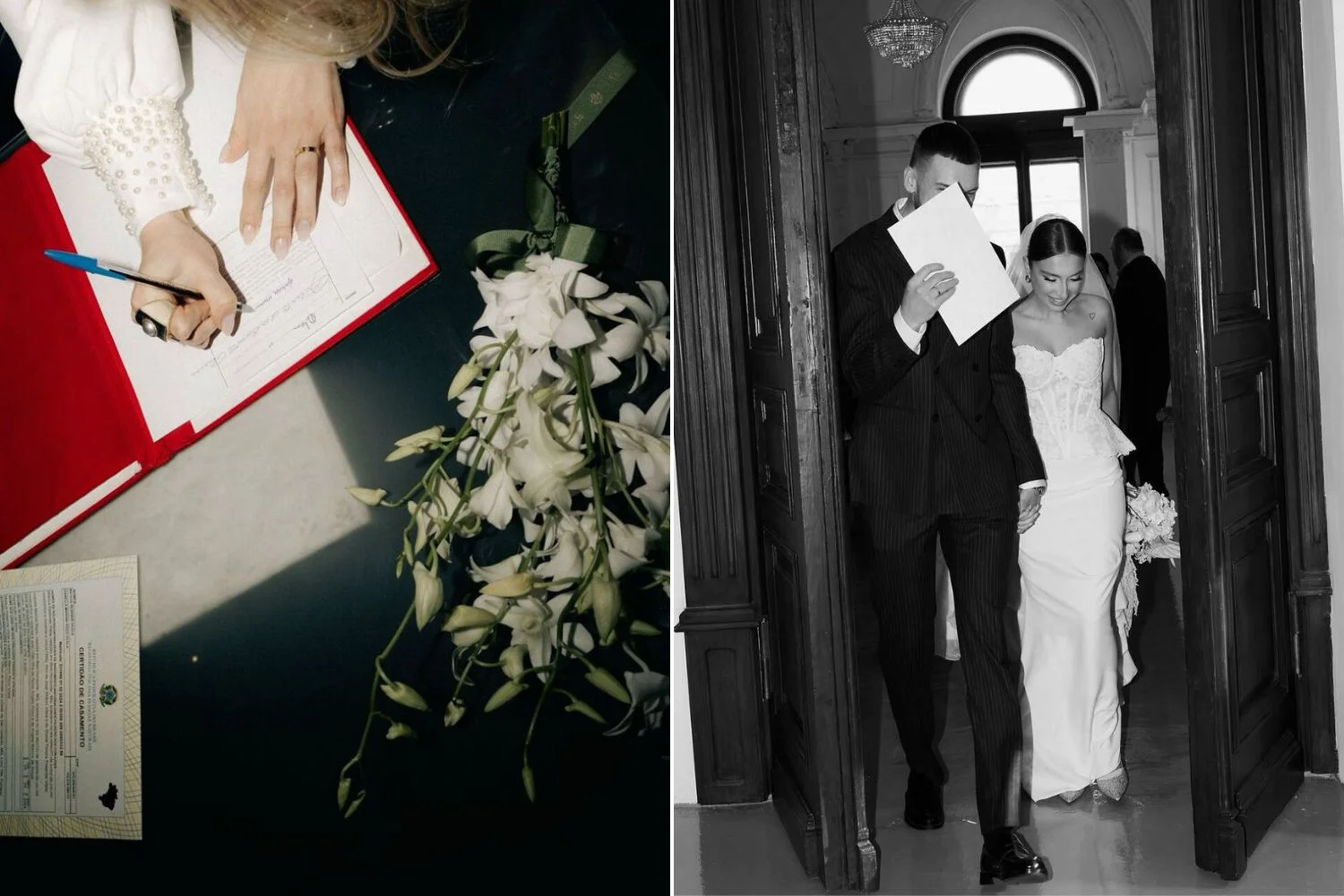
A marriage certificate is issued in the registry office for the concluded marriage.
Registration of marriages outside the department
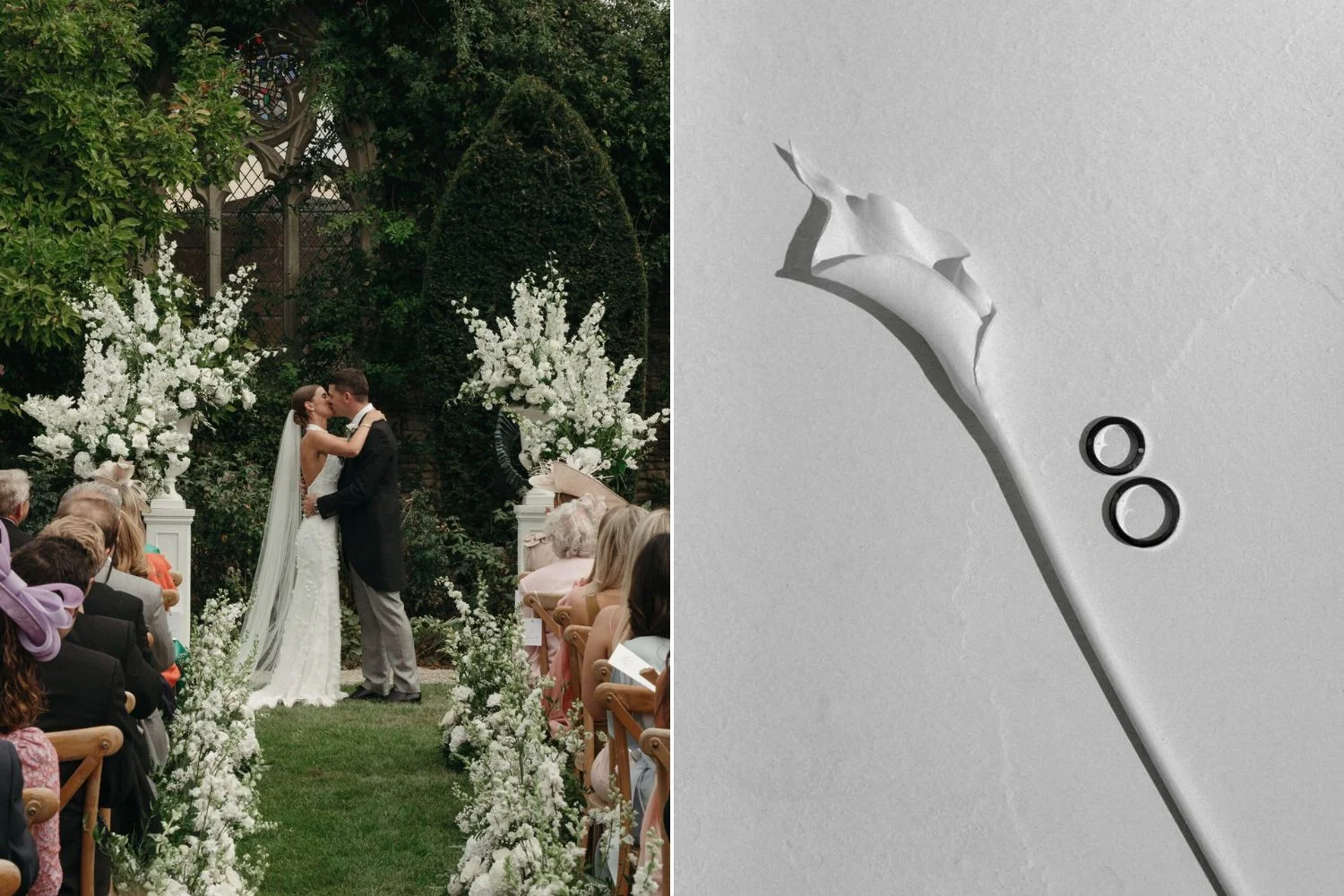
Even if you have decided to get married by the sea, in a castle, family homestead or any other place of your choice suitable for the wedding ceremony, the official part of the marriage must be arranged in the registry office.
It is possible to register a marriage outside the registry office if the couple provides appropriate conditions for marriage registration - they take care of the practical suitability of the place, as well as the visual and musical presentation.
Upon prior agreement with the registry office, the time for the marriage can be chosen both on weekdays and on Saturdays (specify in the chosen registry office!).
Surname change after wedding
When you get married, you have the option to choose - whether you will go by a common surname or each of you will keep your maiden surname. Both wife's and husband's surname may be chosen as joint surname.
If there is a desire to leave one's surname and add the spouse's surname to it, this may also be done, except in cases where one of the spouses already has a double surname.
Rules of Church Marriage
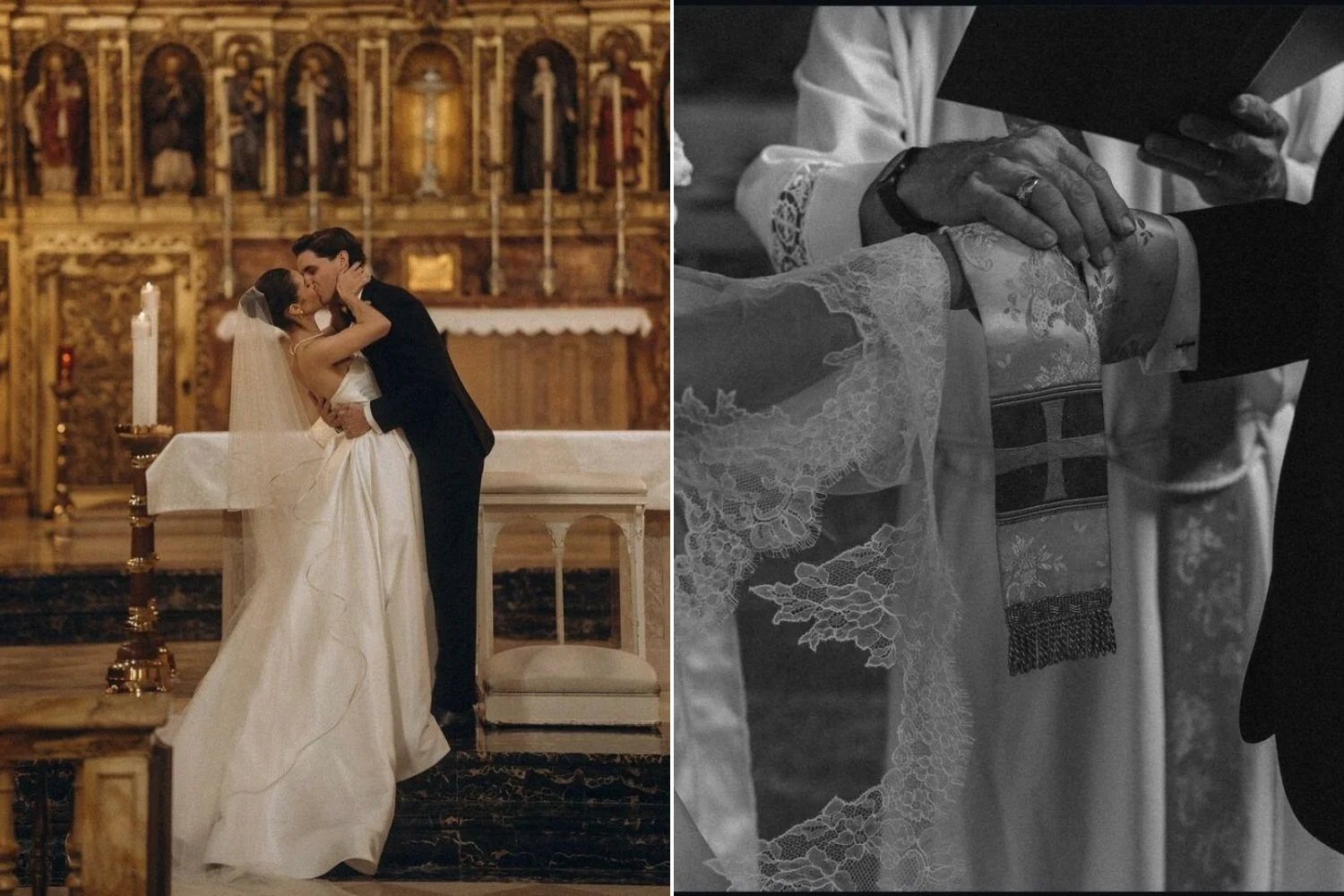
The marriage of two Christians is a legally concluded union for life. Marriage in the church is concluded in a service, and it is confirmed by the couple's promise of lifelong fidelity before God and people.
If the couple belongs to the Evangelical Lutheran, Roman Catholic, Orthodox, Old Believer, Methodist, Baptist, Seventh-day Adventist, Theist or Judaic denominations and wants to get married by a clergyman of their denomination who has the permission of the leadership of the respective denomination, then they will be married according to the rules of the respective denomination.
For each concluded marriage, the clergyman must send information about the marriage to the registry office in whose territory the marriage took place within 14 days.
Example if you are Lutheran:
In order to enter into a Christian marriage, one must be baptized and consecrated members of the Lutheran Church and registered in the congregation. Regarding the intention to get married and the desired time of marriage, you should contact the pastor, and you should also ask if the church has any special preparation procedures. When agreeing on the time of marriage, documents must be submitted to the parish office no less than a month before the wedding - applications and certificates from the Civil Registry Department for concluding marriages, as well as valid passports must be presented.
If you are not baptized or consecrated, you should attend a catechesis course, where you will get to know the basics of teaching the faith, and church services. Those who are not baptized receive baptism and initiation, while those who are baptized as children are initiated. Simultaneously with these processes, the couple is received into the church.
It is also possible to get married in the Lutheran church if the bride or groom belongs to another denomination, but then the minimum that the respective Church requires from its parishioners must be fulfilled.
It is more complicated, but not impossible, if one of you is a Catholic, because the rules of the Roman Catholic Church do not allow marriage according to the order of other denominations. However, there is a possibility to get married in a Lutheran church: it can be agreed that a Catholic priest participates in the ceremony, providing the ritual side necessary for the Catholic sacrament. If a Catholic wishes to marry a member of another denomination in a church of another denomination without a Catholic clergyman, the permission of the Catholic bishop must be obtained.
Marriage contract
The civil law defines the rights and obligations of spouses regarding the property separately and jointly provided for before marriage and during marriage, however, spouses can establish, amend and terminate their property rights with marriage contracts.
Marriage contracts are concluded in a notarial procedure, with the simultaneous presence of both spouses or spouses. So a marriage contract can be concluded both before marriage and already married.
The marriage contract determines the jointness or separation of all property of the spouses. If separation of property is established, then each spouse retains the property that belonged to him before the marriage, but can also acquire, use and dispose of it during the marriage, independently of the other spouse. On the other hand, the other spouse's property in this case cannot be managed, used or handled in any other way without his consent.
If the joint property of the spouses is defined in the marriage contract, the property they owned before the marriage, as well as the property acquired during the marriage, except for separate property, is combined into one common indivisible mass, which does not belong to any of the spouses in a separate part during the marriage. In the marriage contract, when determining the joint property of the spouses, the spouses agree on which of them will be the owner of the joint property - the husband, the wife or both jointly. If the owner of the joint property is one of the spouses, he uses and handles it on his own behalf and is obliged to cover the expenses of the family and the joint household.
The formalities to be performed to conclude a marriage are not at all difficult. All you have to do is contact the registry office or the pastor of your denomination, who will be able to give you a knowledgeable answer to every question that arises in the process. And then it remains to start organizing such a beautiful and exciting wedding.
Articles of the Civil Law on marriage can be viewed here: https://likumi.lv/ta/id/90223#p41
Author of the article: Ieva Simanoviča

 share
share