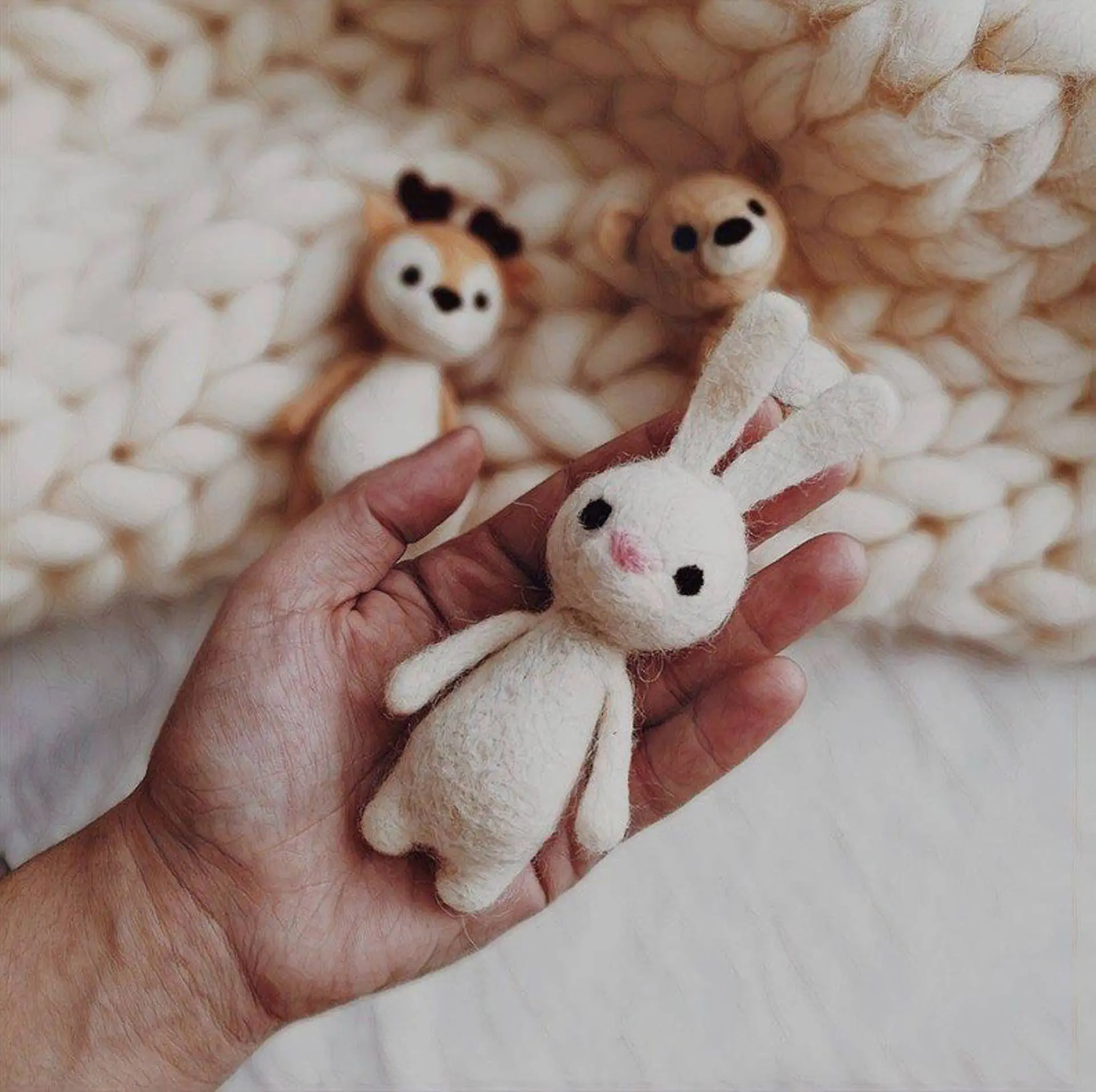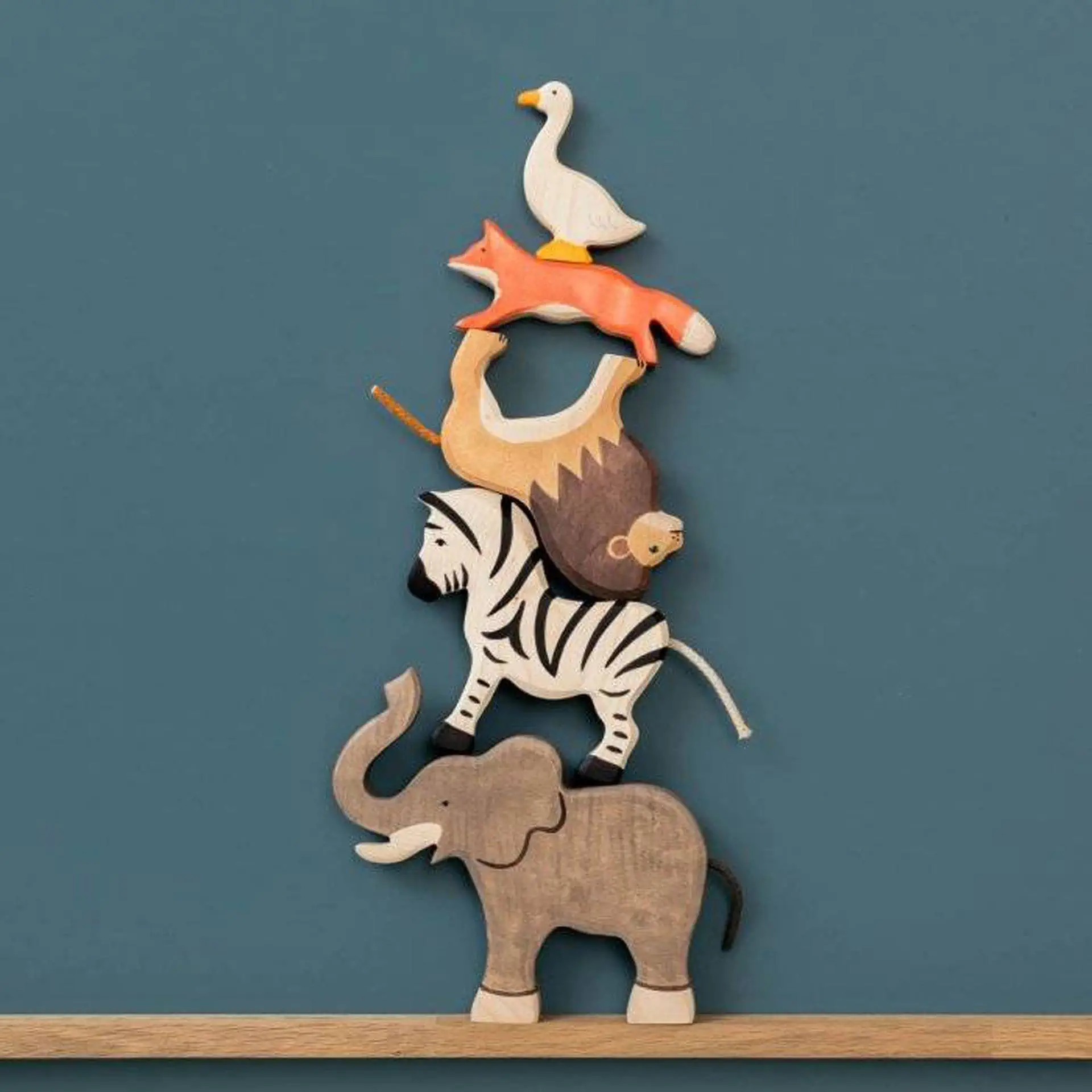
Imagine how many toys for children are thrown away and bought every year? Very unfriendly to nature. But or everyday really we wonder what bright and cheap toys mean for a child's health? According to what principles to choose for nature and children's healthy toys ? We will find out in this article.
Plastic of unknown origin and composition, poisonous dyes, rubber toys containing toxins and resins - this should be avoided when choosing toys for children. It is both natural both polluting and harmful to health, especially if the baby is at the age when he gets to know the world through his mouth.

Health-friendly toys will almost always have added information, while if the toy's composition or the origin is unclear, its unsuitability for children will be indicated by a suspiciously low price and too strong or unpleasant aroma.
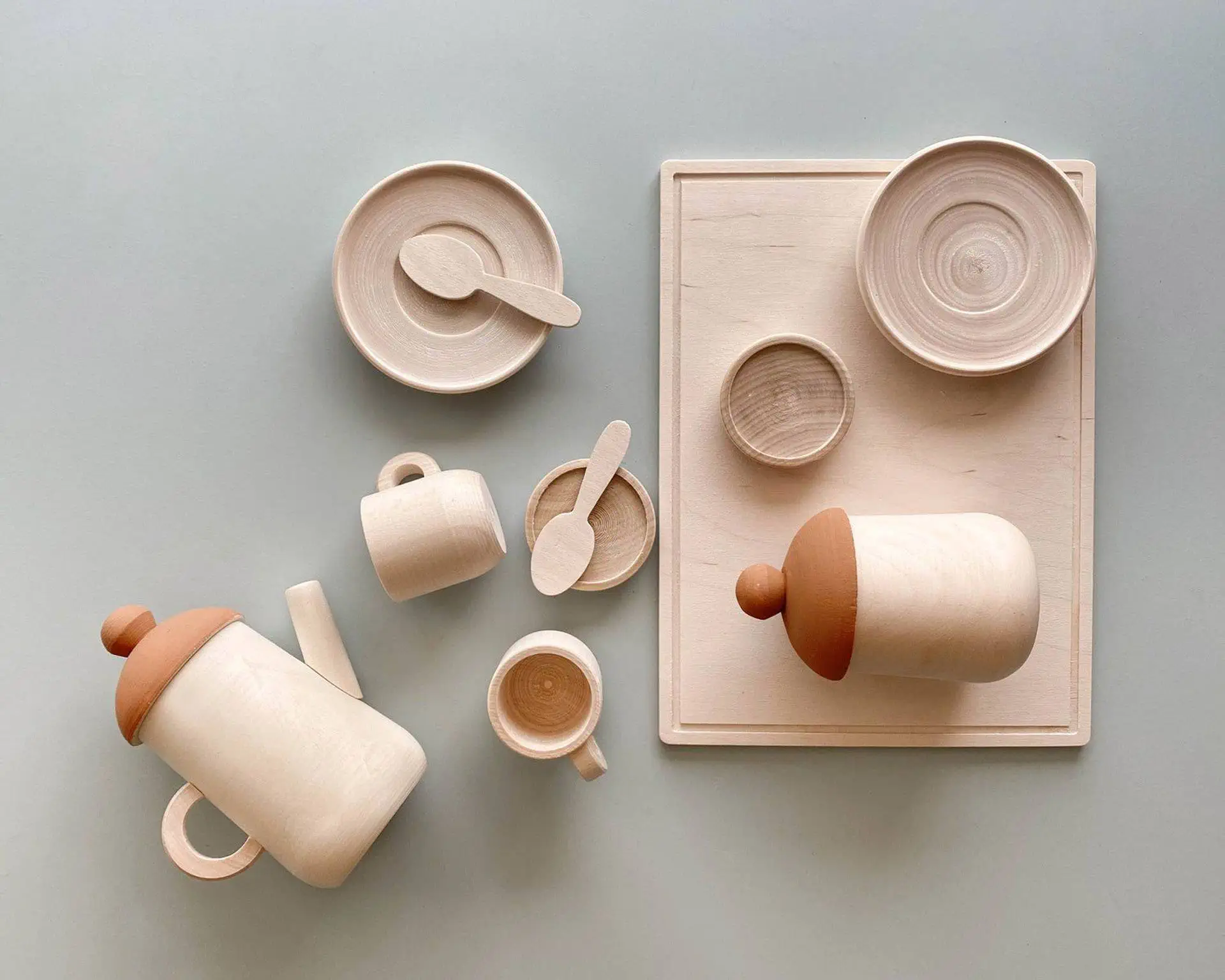
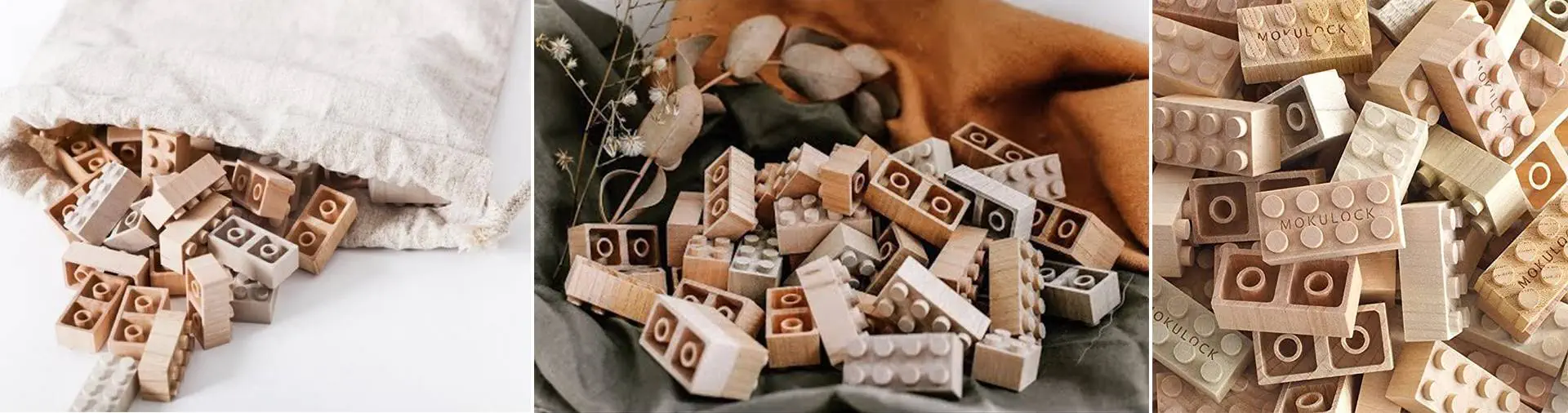
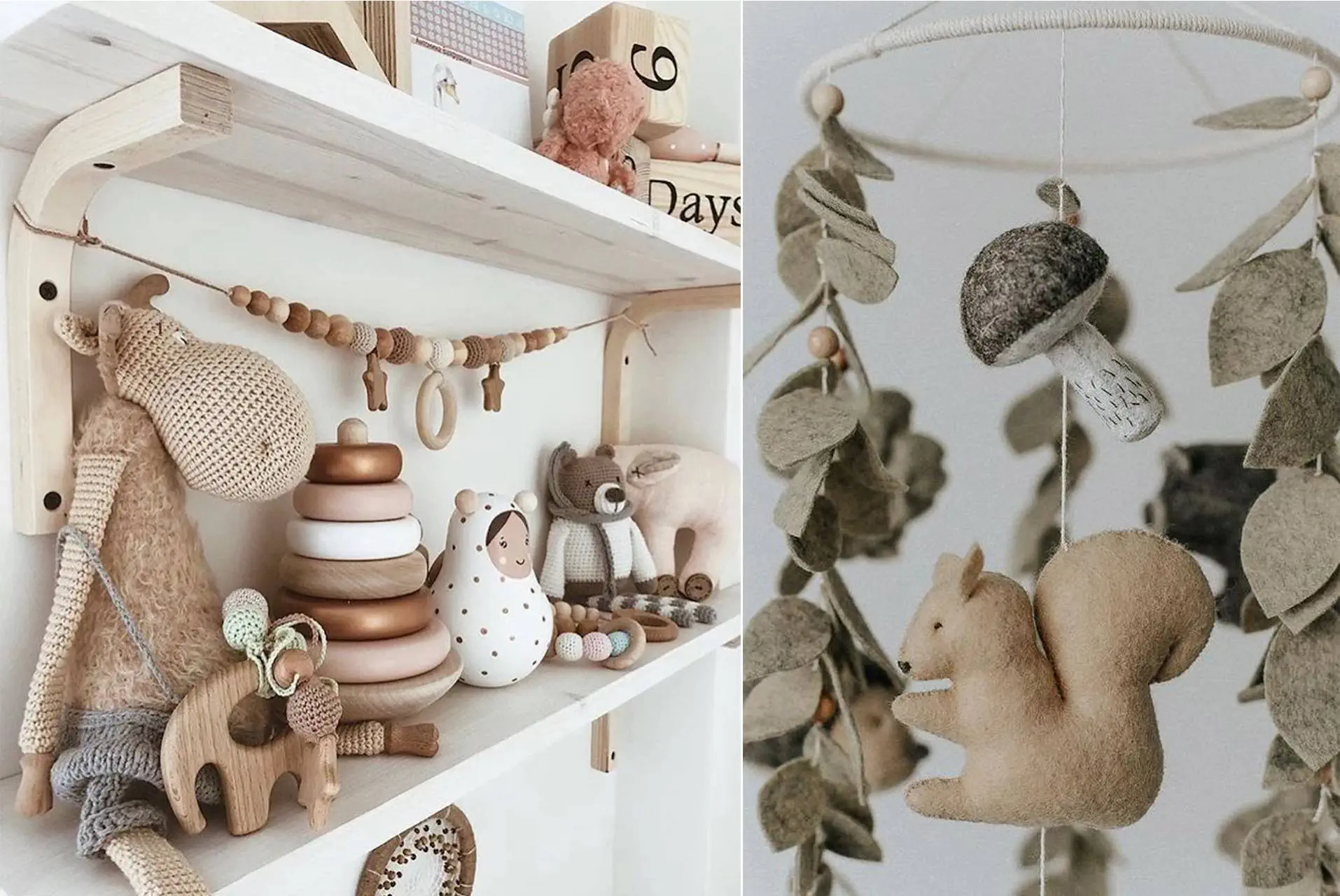
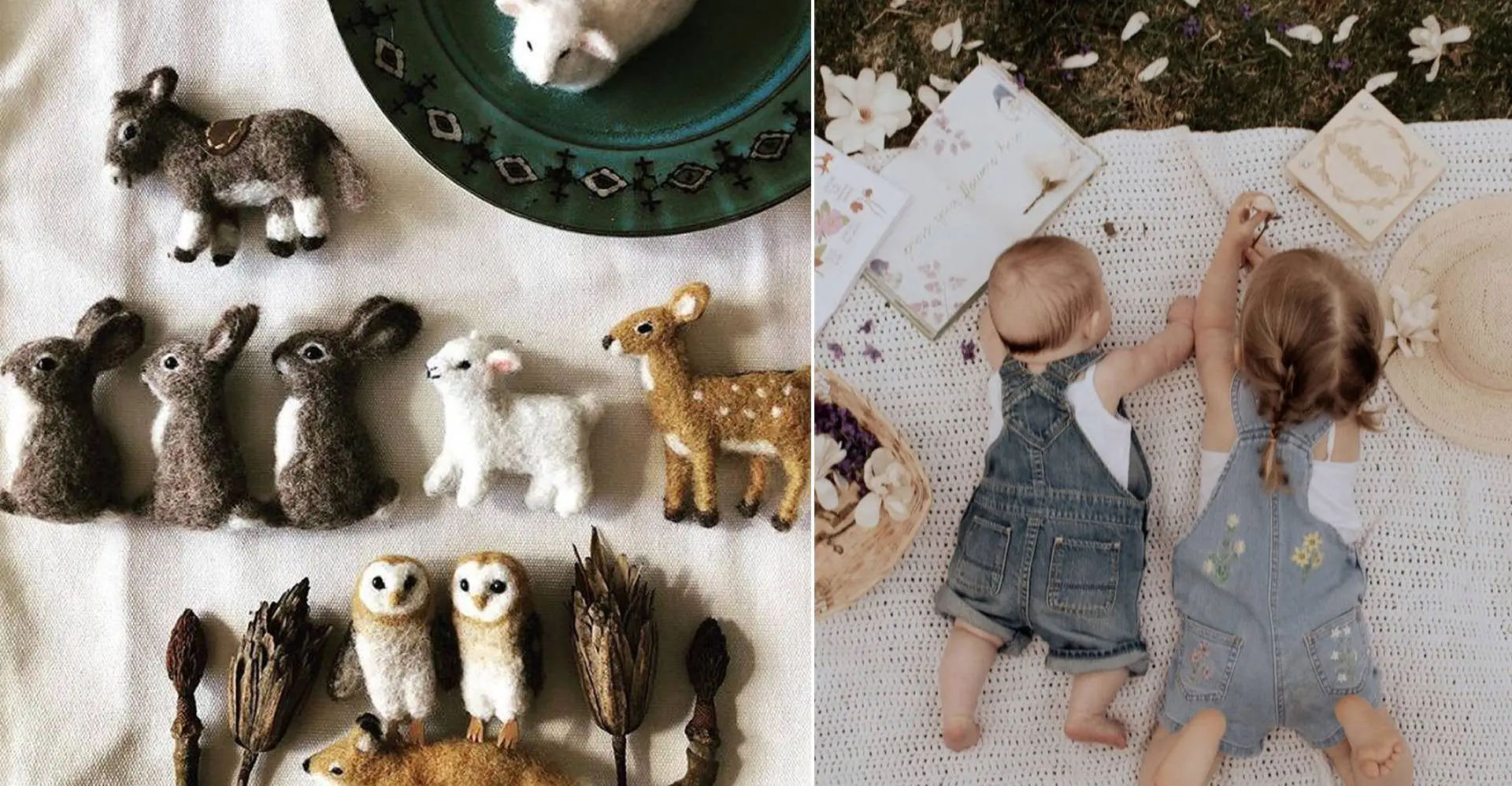
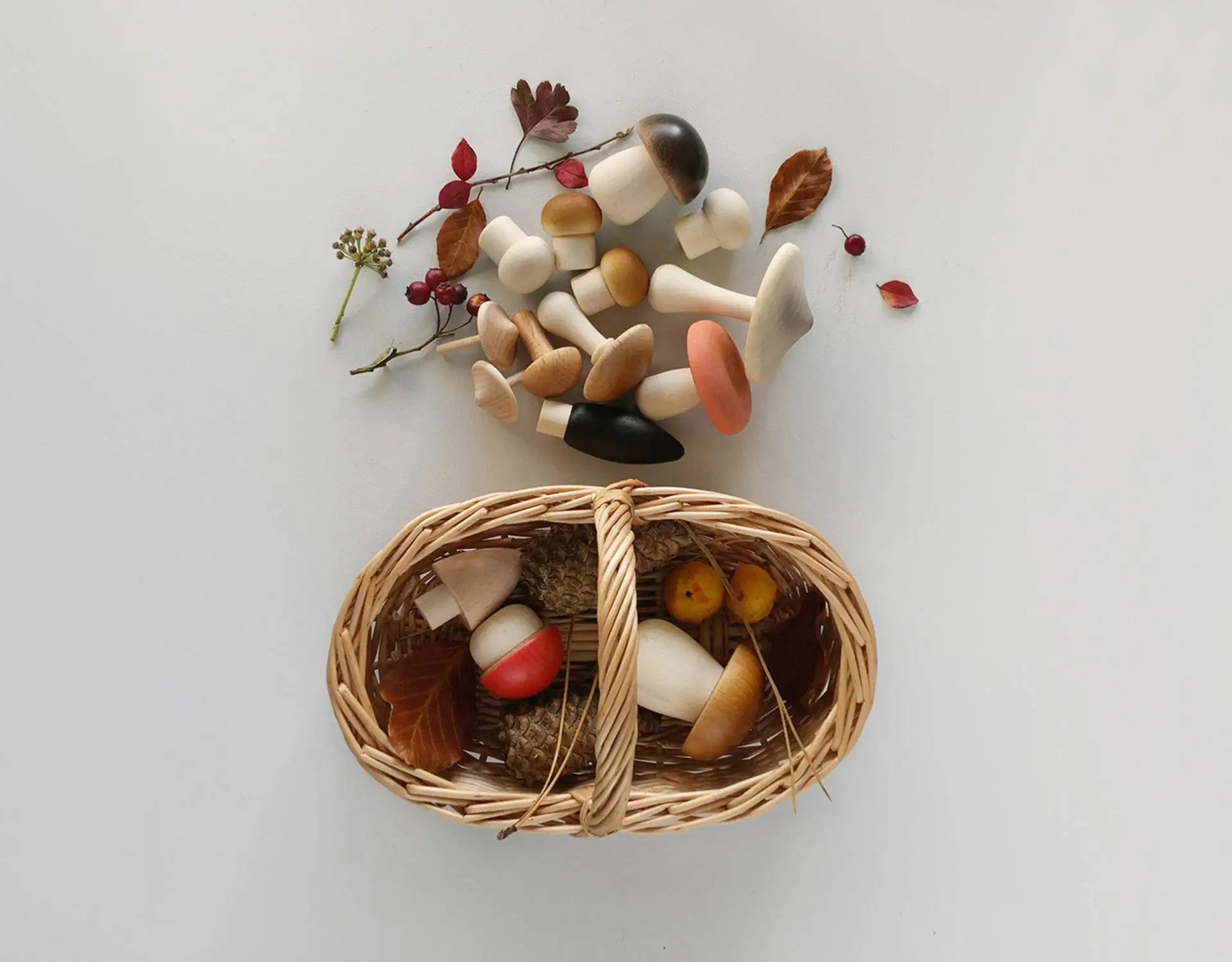
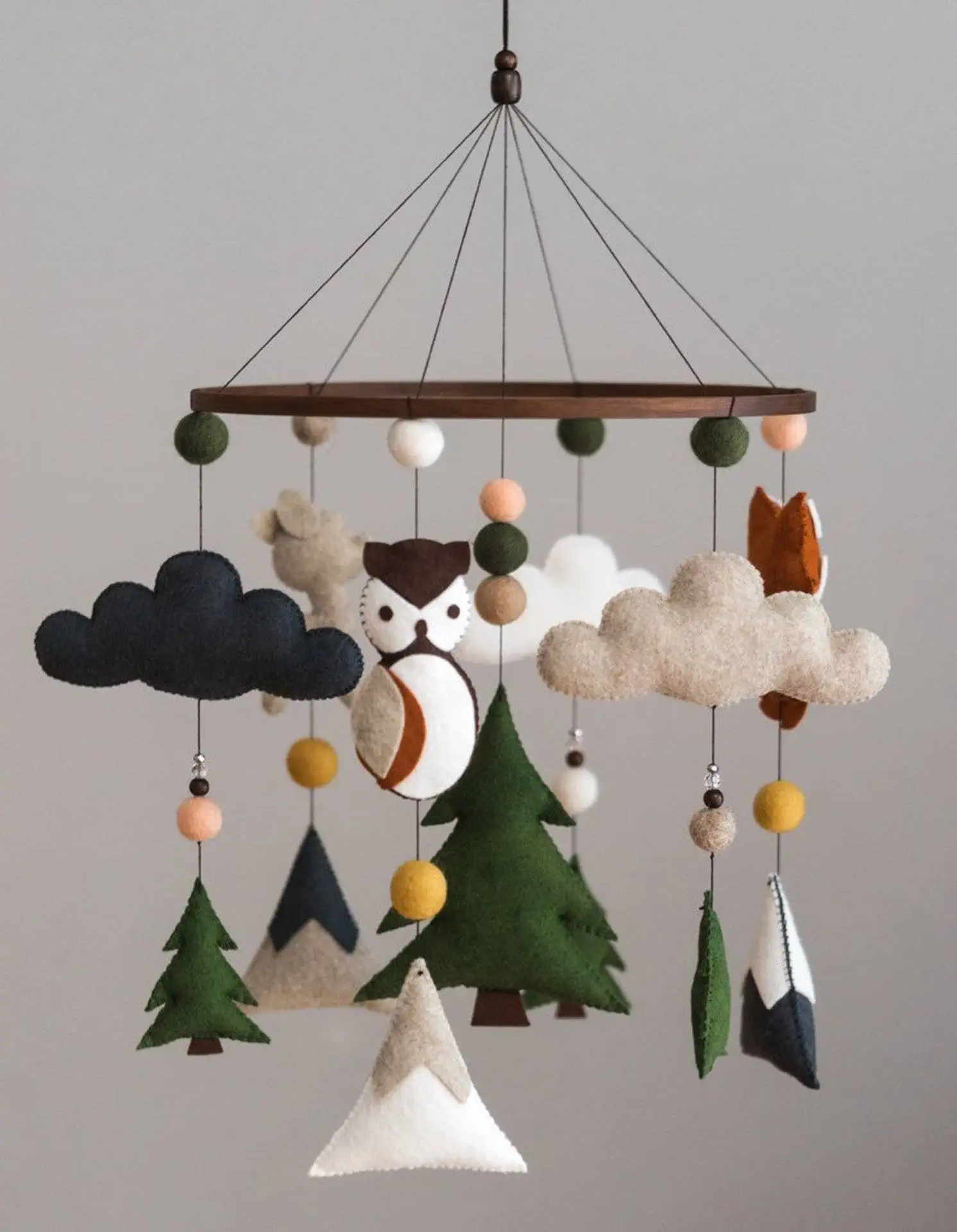
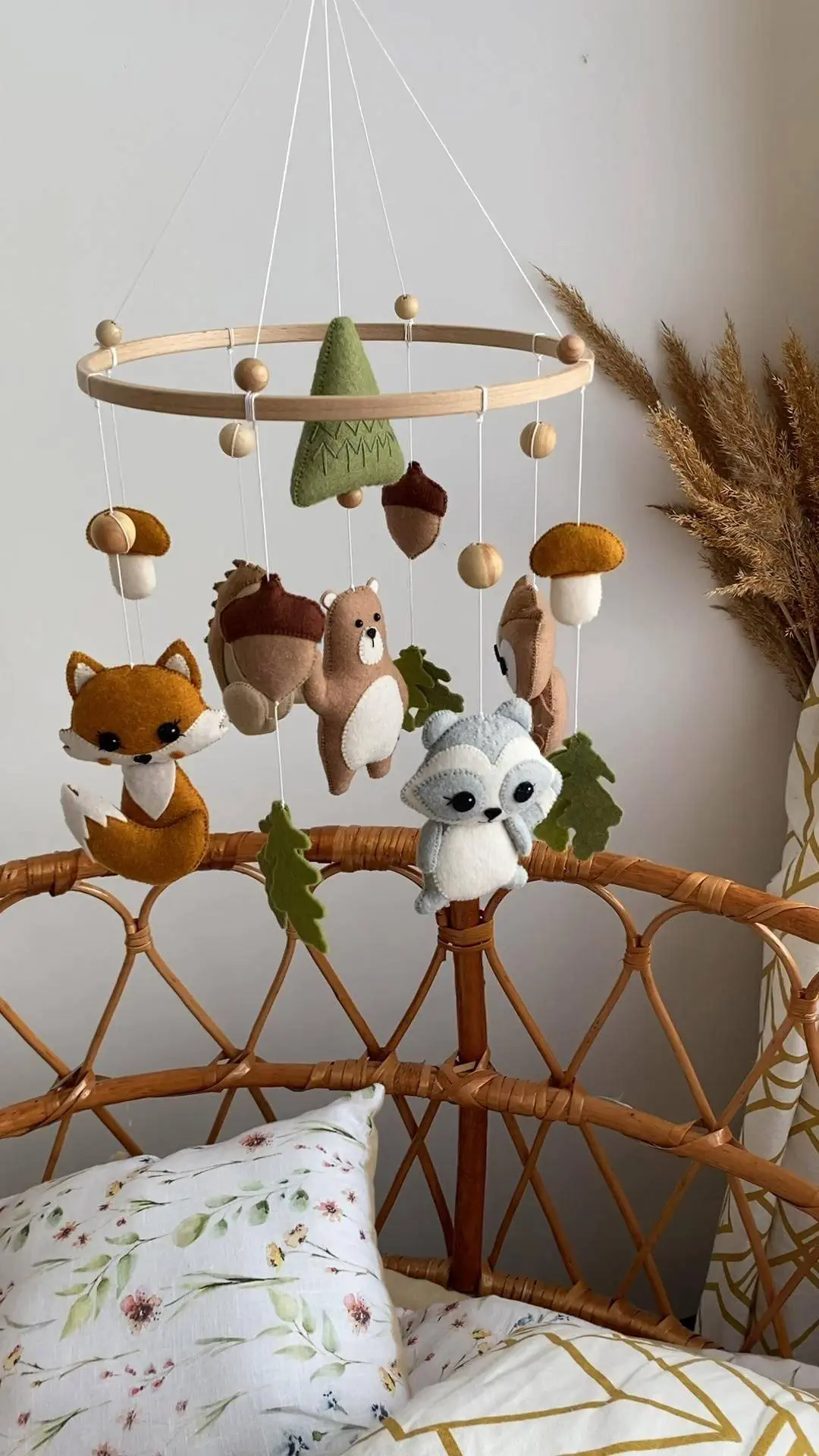
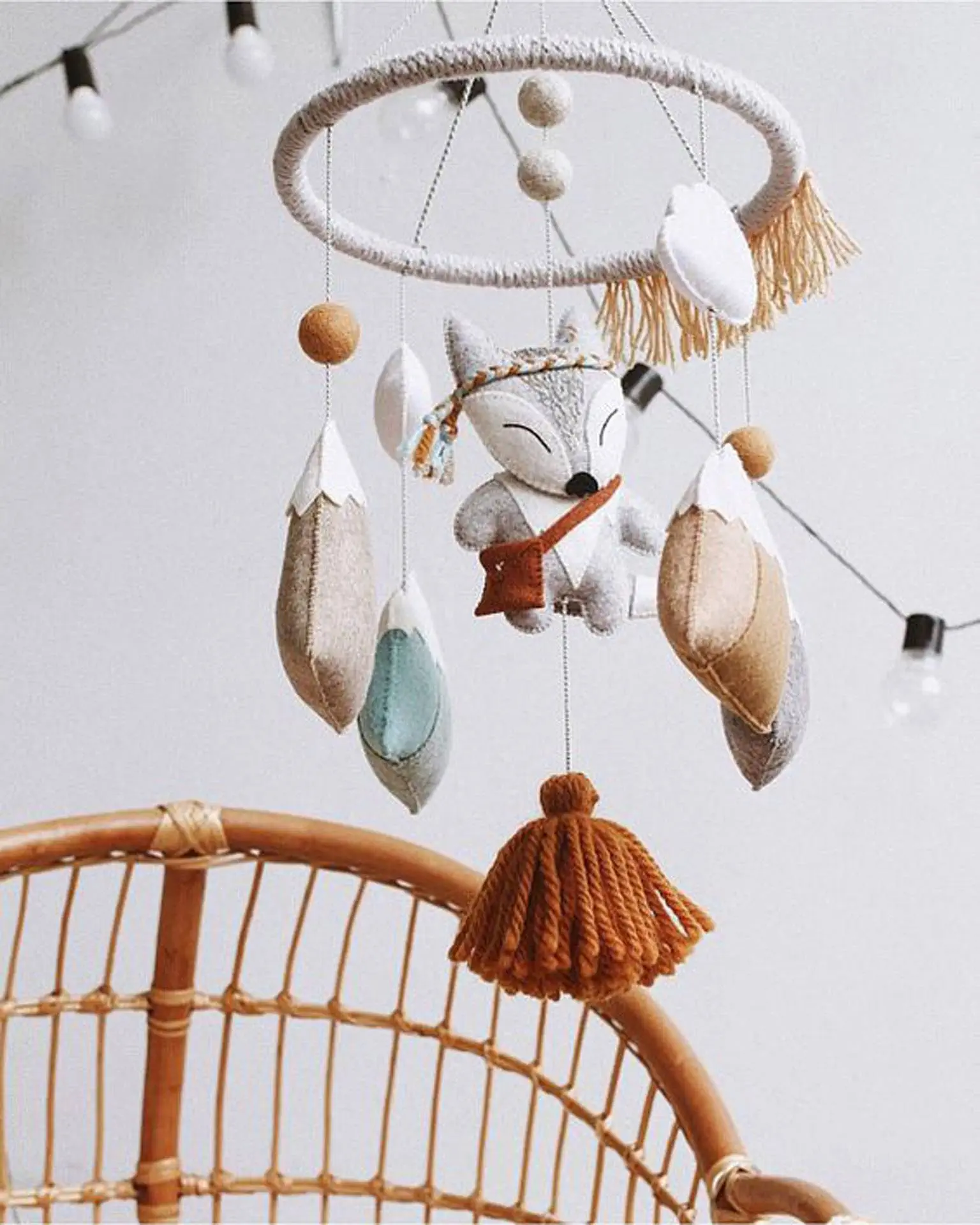
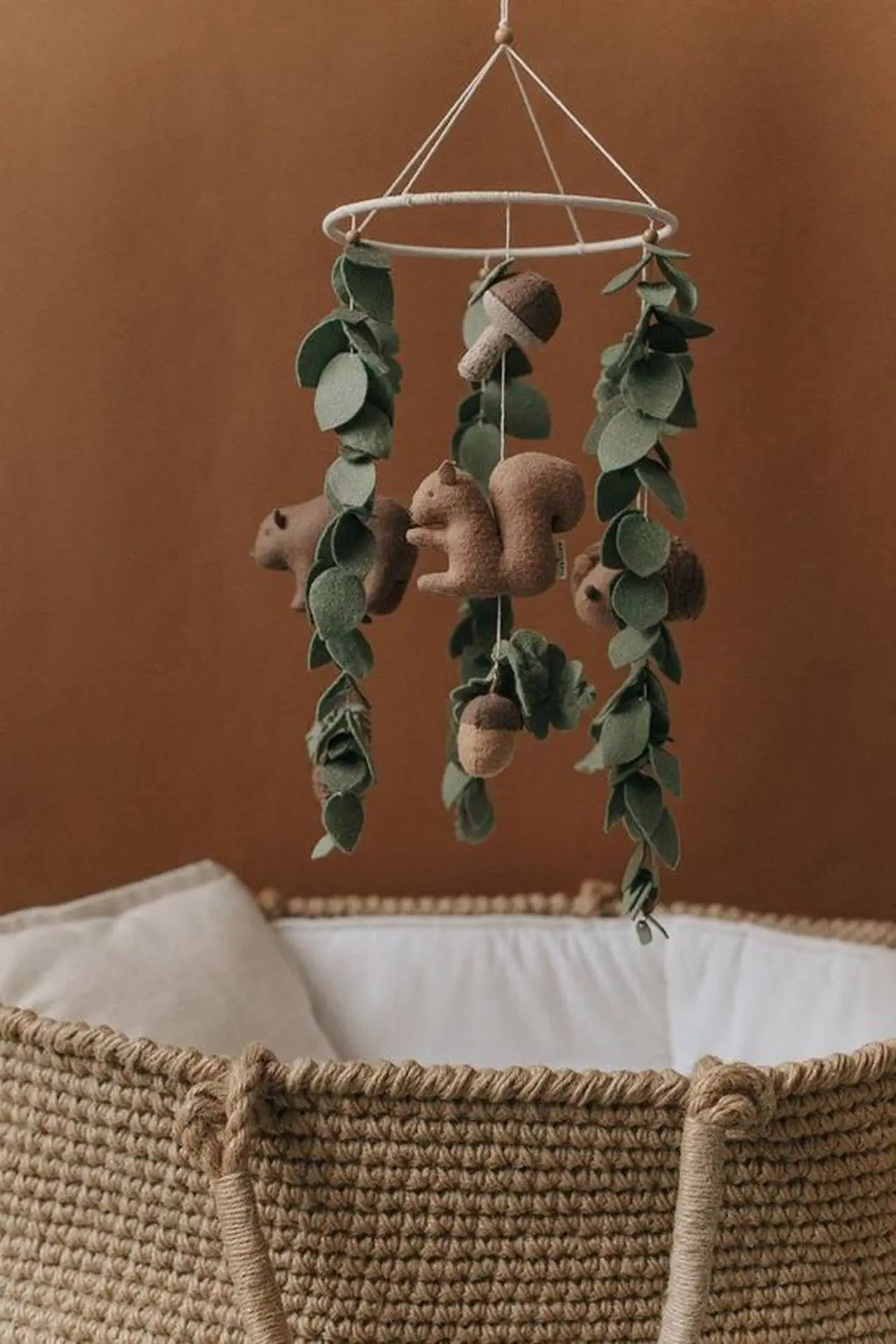
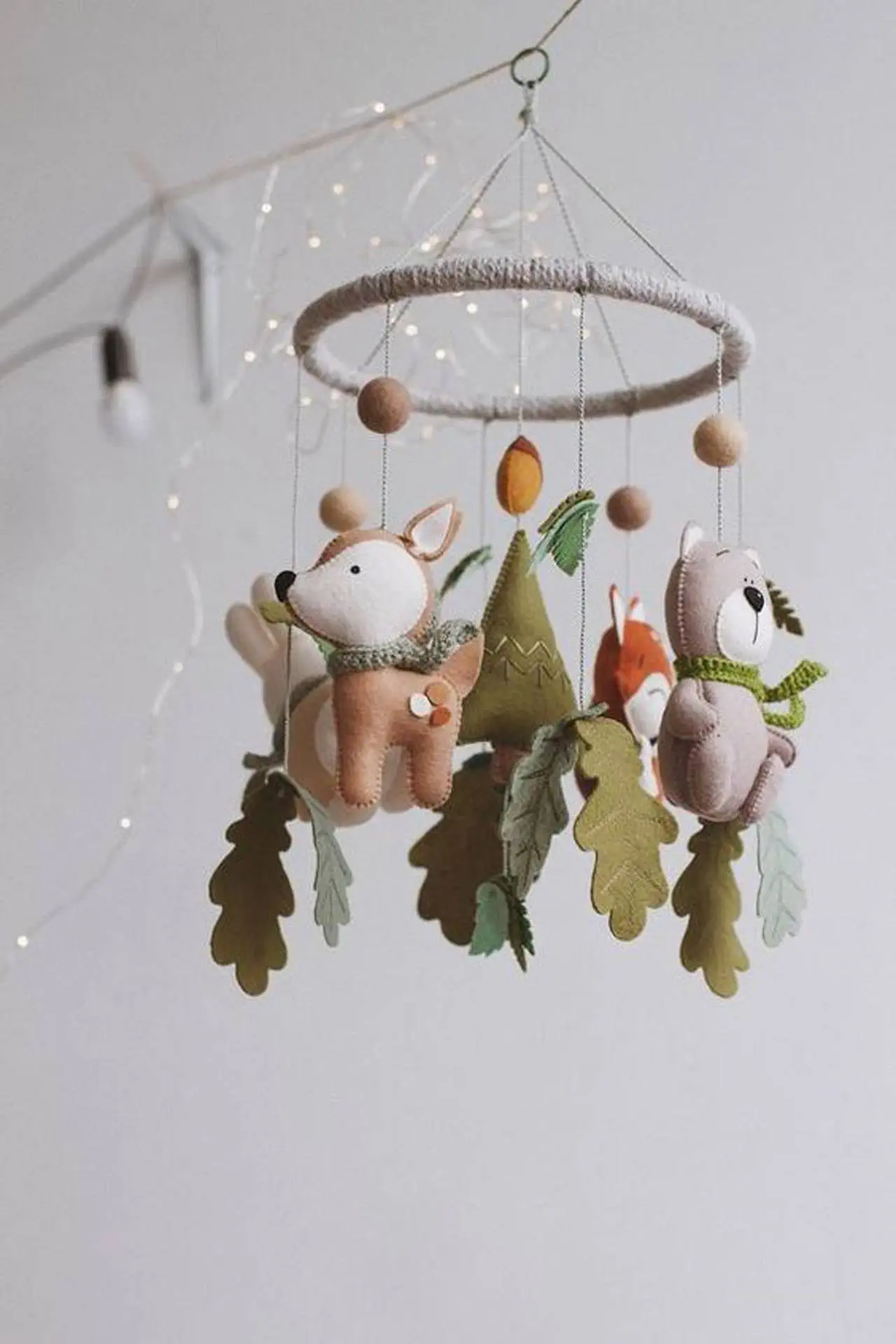
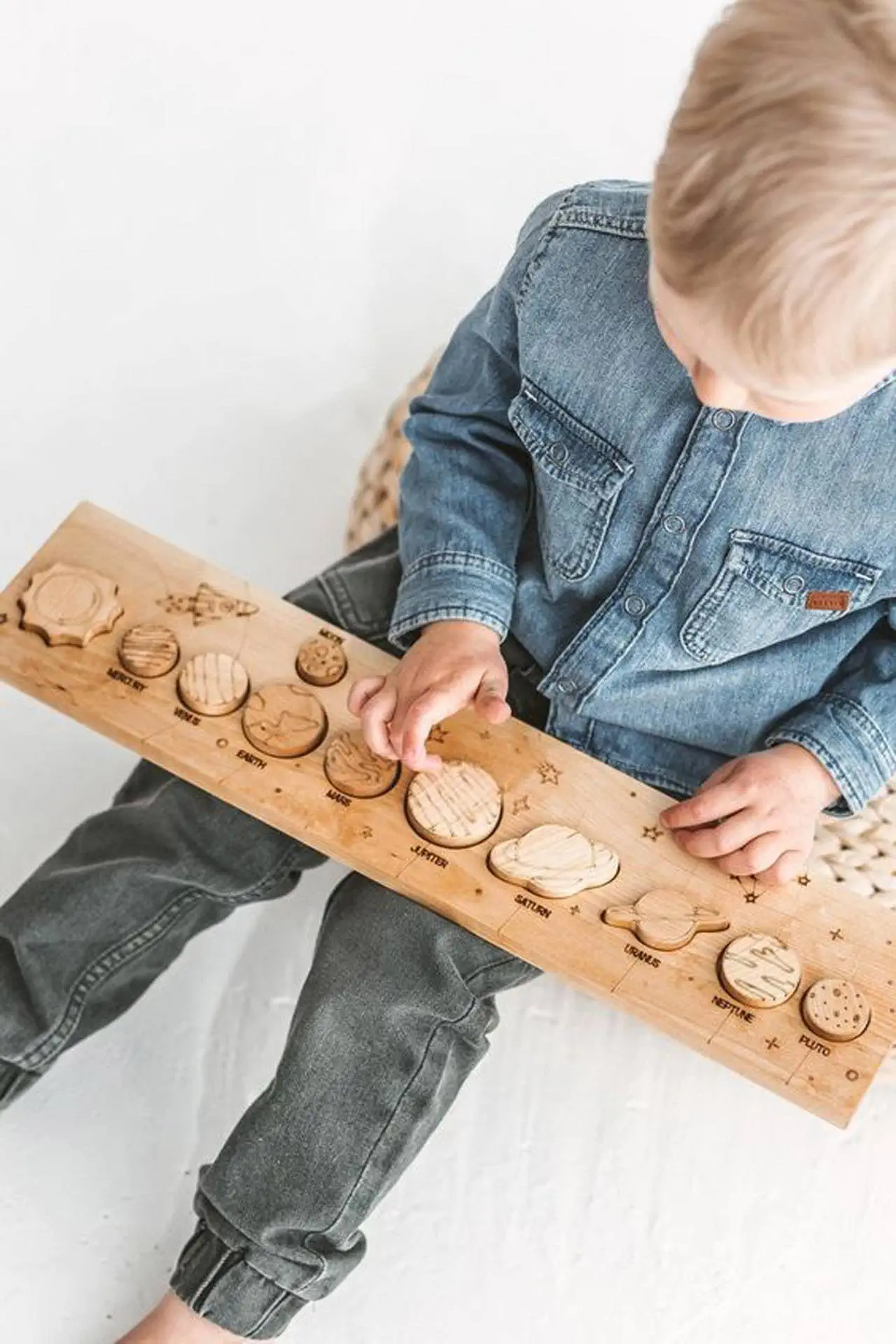
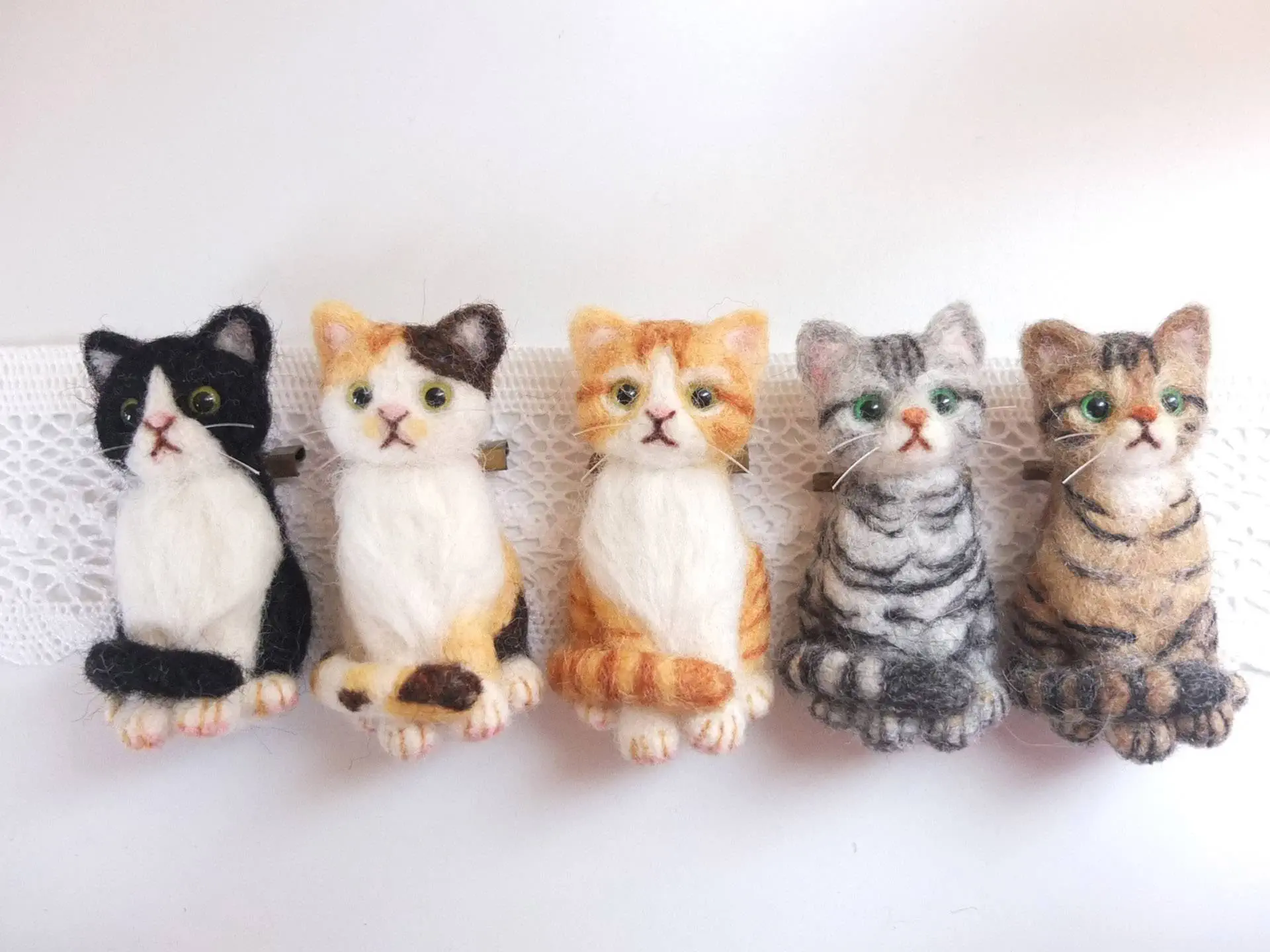
To avoid extensive plastic pollution in nature, we can prefer toys made from of material that will decompose in nature.
It is more environmentally friendly if you can gift, give or donate gently used, well-preserved toys to those who need them are relevant when your child grows out of the relevant age stage - a large part of discarded toys are those that only used for a short time, because we already know how quickly children grow and their interests change.
However, one must be very, very careful with this - the established norms for dangerous substances, such as phthalates and heavy for metals, the composition of toys today is much stricter than ten years ago. Phthalates The harmful effects had not yet been proven at that time, so there were no restrictions on their use. Phthalates are now included on the list of especially dangerous substances and are known to harm the hormonal system, fertility and are also associated with behavioral disorders, childhood asthma and other diseases. On the other hand, heavy metals are dangerous for the central nervous system for development.
This means saying goodbye to soft plastic toys made before 2007 without mercy. year , no sentiment!
Author of the article: IEVA KRASTIņA
Read also: CHILDREN'S ROOMS ARRANGEMENT. PRACTICAL RECOMMENDATIONS FOR PARENTS OF KINDERGARTEN M