Technologies have rapidly changed and developed over the course of a century, and so have generations. Each of the last three generations of adults has a completely different childhood, political context, access to information, societal and contemporary values that have shaped their personalities and outlook on life. Each generation is united by traditions and beliefs about relationships, including how they marry. How did boomers get married, how did millennials get married young, and how are Gen Z getting married now?
Boomer weddings 1960-1980. in
Millennial parents, a generation that did not yet know how to talk about their emotions, but valued traditions. At the same time, it was during this period that the hippies manifested themselves, who lived in a thirst for freedom and materialized it as much as they could and could afford at the time. On the one hand, the traditions accepted by the society were more important than individual wishes, on the other hand, the wedding was celebrated cheerfully, in a large company and thoroughly.
Marriage was a clear and concrete step that every citizen should take, just like giving birth to children, besides, you had to pay a tax for childlessness.
Boomers married young – it was quite common to get married in the early twenties and even at the age of eighteen, nineteen. Yes, even today, couples at this age have relationships and lifestyles, but 40-60 years ago, if you fell in love, you broke up. Marriage before cohabitation was the norm and divorce was viewed negatively in society. This is a major reason why there were many unhappy marriages behind closed doors. No matter how disrespectful the husband treated his wife, she would rather bear it than experience the shame of receiving public condemnation. Individualization and feelings were secondary, even non-existent, dictated by the Soviet regime of the time. Individuality did not exist, but society did.
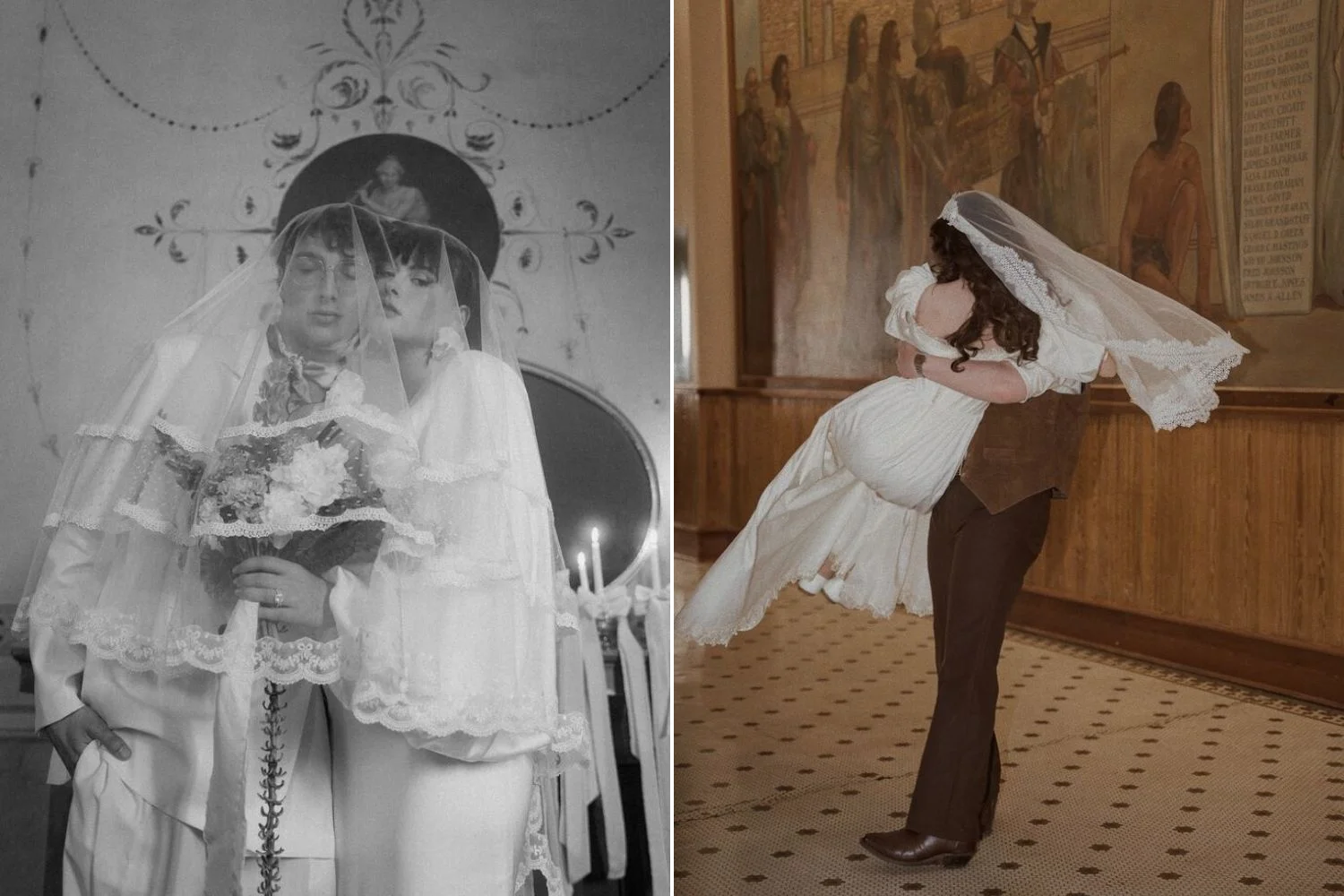
Photo right: ROSY STARLETT
At the beginning of the sixties, there was a particularly interesting phenomenon - the collective wedding of Komsomol members, where a representative of the Zags married several young couples at the same time. The wedding was celebrated in a club or a cultural center. The Church was not recognized at this time and the Komsomol or social weddings served as a tool to eradicate Christianity even more, as National Socialist and Christian views are not compatible.
Considering that society played an important role, and not true and close relationships, there were many wedding guests, from colleagues and distant relatives who have not seen each other for a couple of decades. The place of the wedding ceremony is the registry office, or the thief went there in a decorated car. The bride is dressed in a white dress with a veil or a wide dress with a veil. At that time, it was customary to decorate with myrtles, which have long been a symbol of chastity and a successful marriage. They were put in the groom's pins, decorated the bride's veil and braided a myrtle wreath for the bride.
The wedding feast was held in the halls of cultural houses even for two or three days. Music - live performance, celebratory meal - at long tables. When the newlyweds arrived from the zags to the cultural house of the kolkhoz (in cities - Finnish saunas or guest houses), they were greeted by a decorated gate and ritual tests, such as cutting firewood.
Boomer weddings were a community event, just like funerals of that time, where those who had not seen each other for a long time but had crossed paths or were related by blood, as well as the couple's families, relatives and friends. It was an opportunity to "check in" from time to time - to see how each cousin and cousin is doing, and to maintain and not lose ties, even if they are not cultivated on a daily basis. The wedding was big and fun - almost all the guests had a chance to party.
Millennial weddings 1990-2010. in
Millennials are like a generation between the old world and the new world. It was new in the old, which was experienced with minimal influence of technology, and it is still relatively new today, when wedding trends are dictated by social networks. Although millennials are gaining momentum and are now divorcing their first marriages, realizing the characteristics of the Gen Z generation in their second weddings, their first weddings took place at an interesting time when the most rapid changes in human history took place - the second half of the nineties and the first two decades of the 2000s.
This wedding continued the traditions of ancient weddings with bridges, gates and mingling, which mixed with wedding parties started by the boomers in guest houses. Brides who watched Disney cartoons as children fulfilled their dream of a voluminous princess dress at their wedding.
Millennials were not in a hurry to get married like boomers - they got married for the first time at the age of 25-35, but they often postponed the arrival of children in the family until a later time, first of all securing an education, a career, a house and a car. They were not ready for a wedding when they were young - it was party time.
Along with continuing tradition, millennials changed the wedding industry by introducing individualization. Couples began to get married in gardens, manors and beaches, attract professional wedding planners to organize weddings, introduce wedding themes and, approaching the third decade of the 21st century, post more and more ambitious wedding pictures on Instagram, as well as get inspiration from Instagram and Pinterest. This is the generation that will choose important status symbols – luxury and brands.
Millennials eliminated the predominance of large weddings and increasingly began to choose small weddings in the circle of close people or friends. A generation influenced by both Boomers and Gen Z.
Gen Z – modern weddings from 2020
The time has come when those born in the late nineties and early 2000s - the Gen Z generation - get married. Similar to the boomers, this generation is ready to marry young. Boomers saw it more as a given in society, while Gen Z really want it, realizing what marriage means. At the same time, there is an opposite tendency - absolutely not rushing to make such an important life decision.
Authenticity and human values are important to this generation, and they really don't care what society thinks about their choices. Unlike millennials, who tended to leave the family nest sooner and at the same time did not know how to enjoy their freedom in healthy ways, Gen Z is in no hurry to leave their parents' home and builds their adult life sensibly, healthily and listening to the heart - what the heart really wants - in love, career and self-expression.
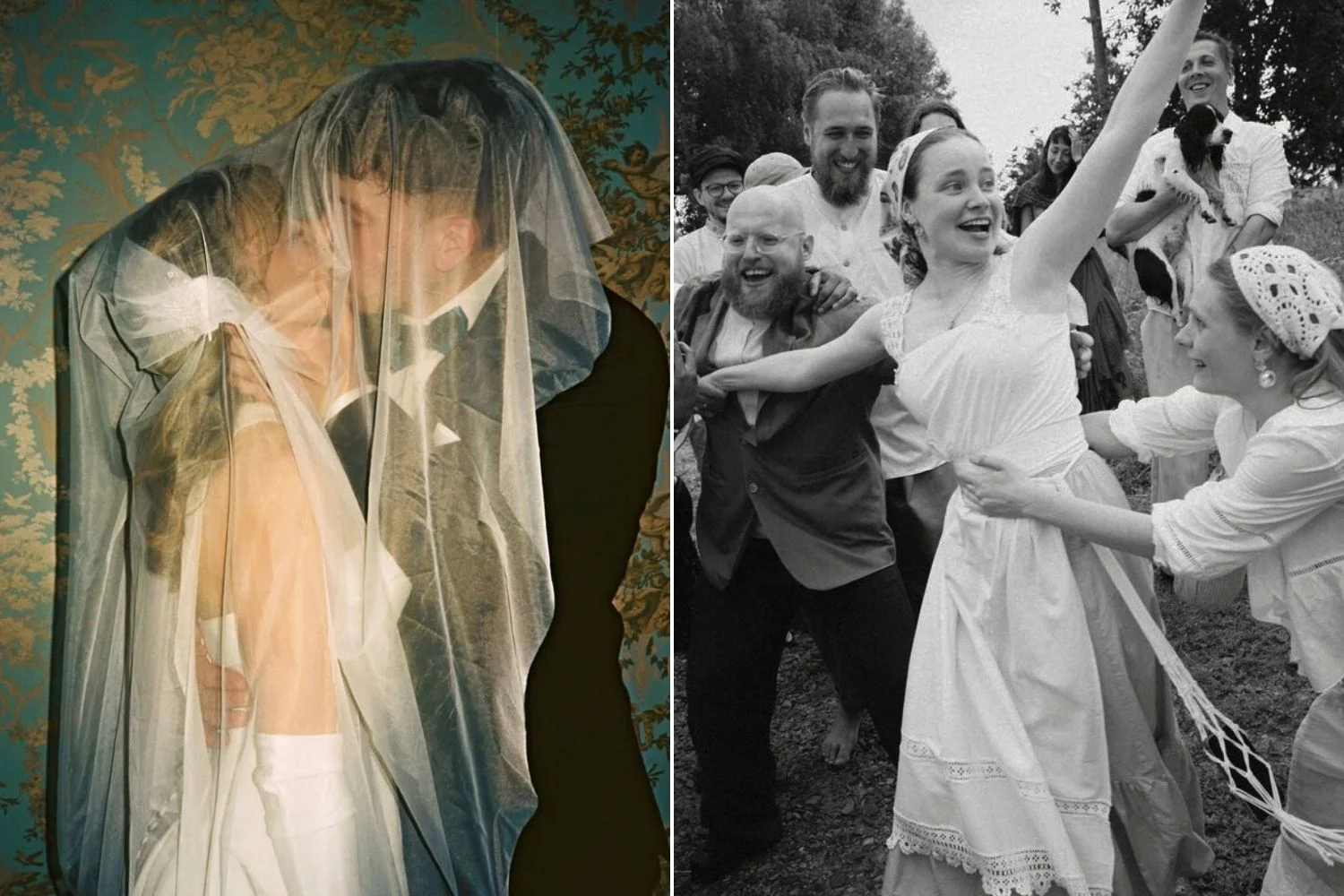
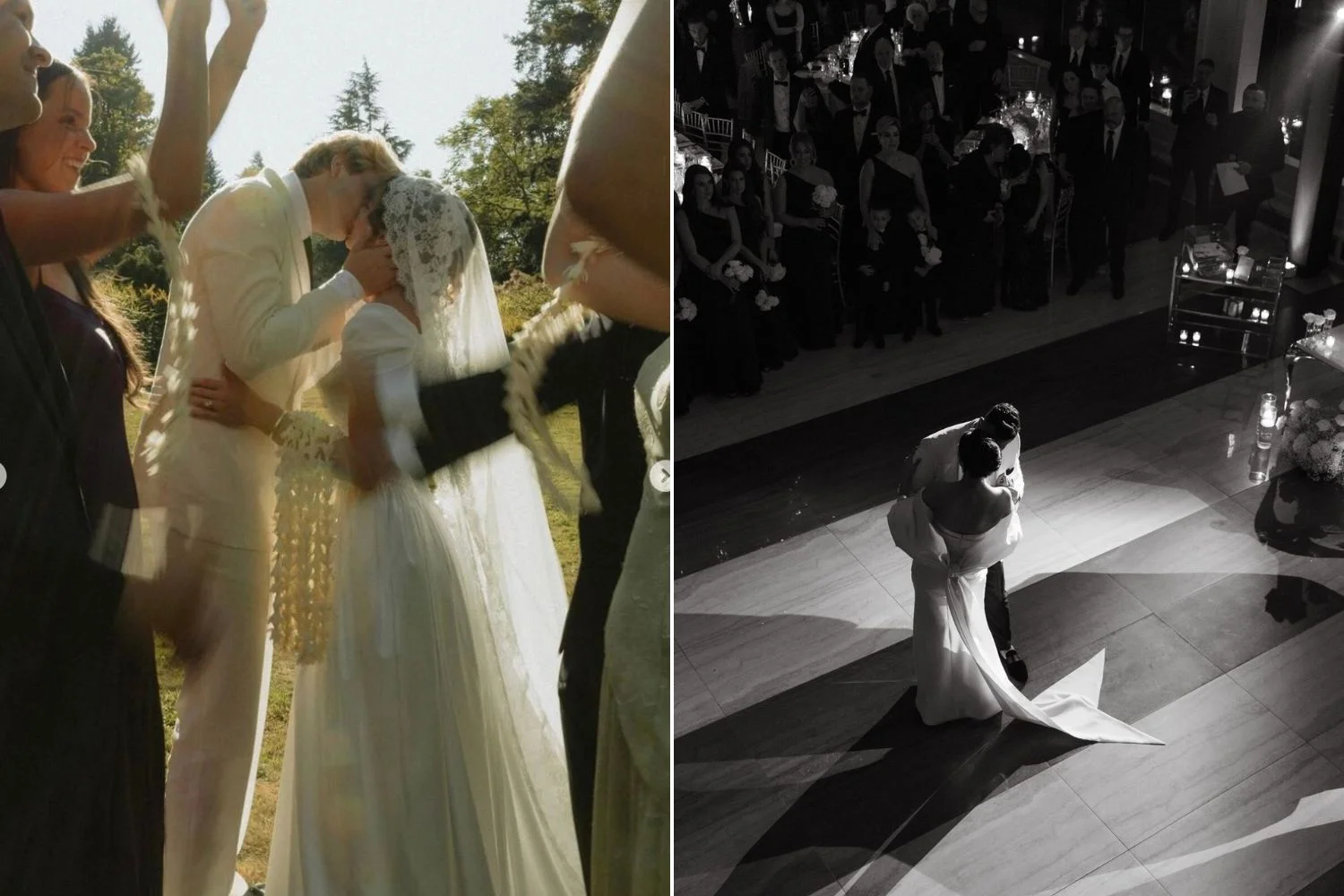
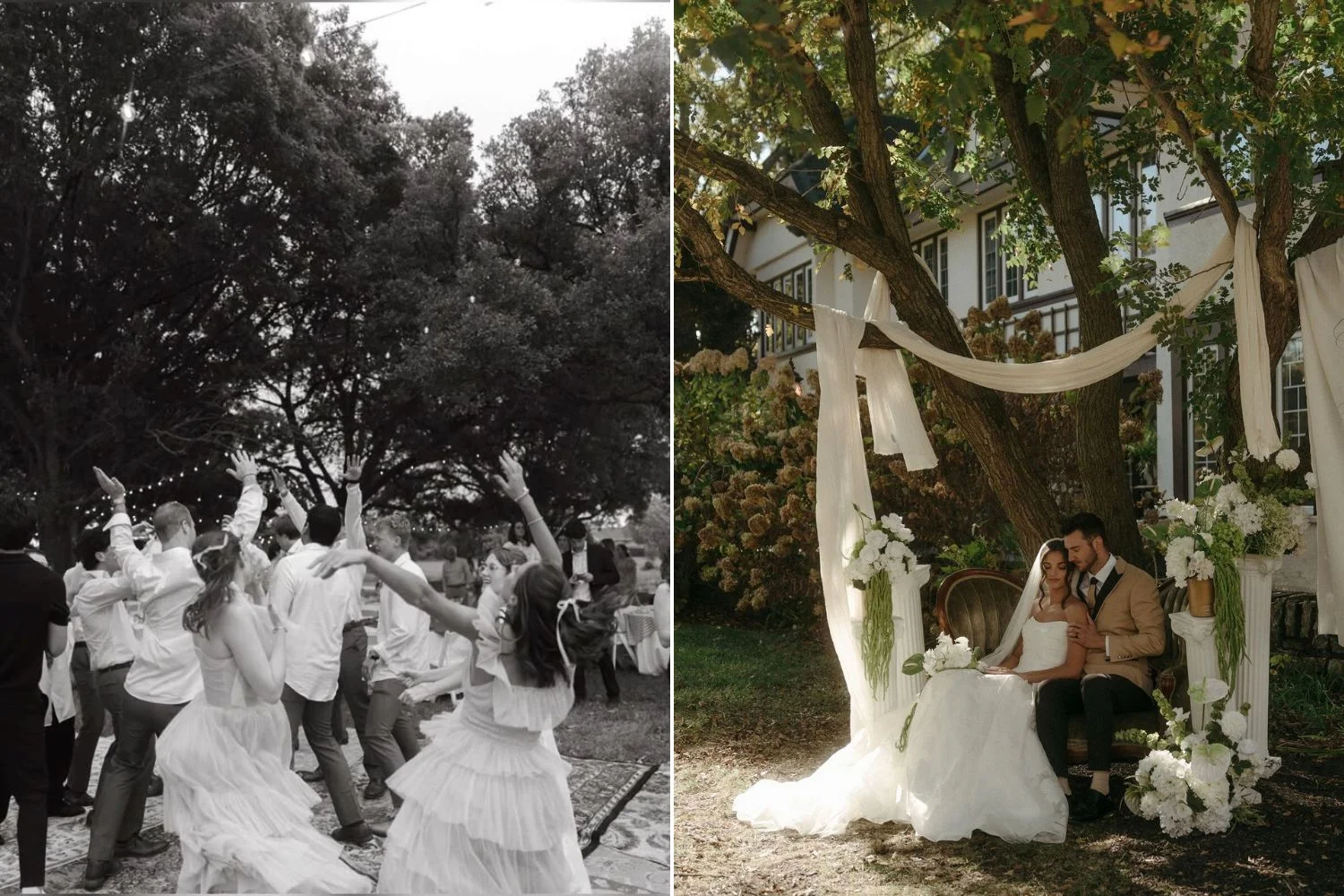
Photo on the left: YANA K PHOTOS | Photo right: RACHEL FOSBENNER
Gen Z most often get married in intimate ceremonies with a small number of guests, send digital invitations to guests, pay attention to sustainable, resource- and nature-saving choices, invite not only a photographer and videographer to the wedding, but also a social media expert who prepares videos for TikTok and Instagram.
It is not important for them to fulfill the expectations of others, but to celebrate the wedding authentically and truly - listening to their feelings.
For Gen Z, unlike Millennials, a luxury hotel or top-rated designer wedding dress means nothing if it doesn't align with their values. A wedding is a meaningful and not a demonstrative life event.
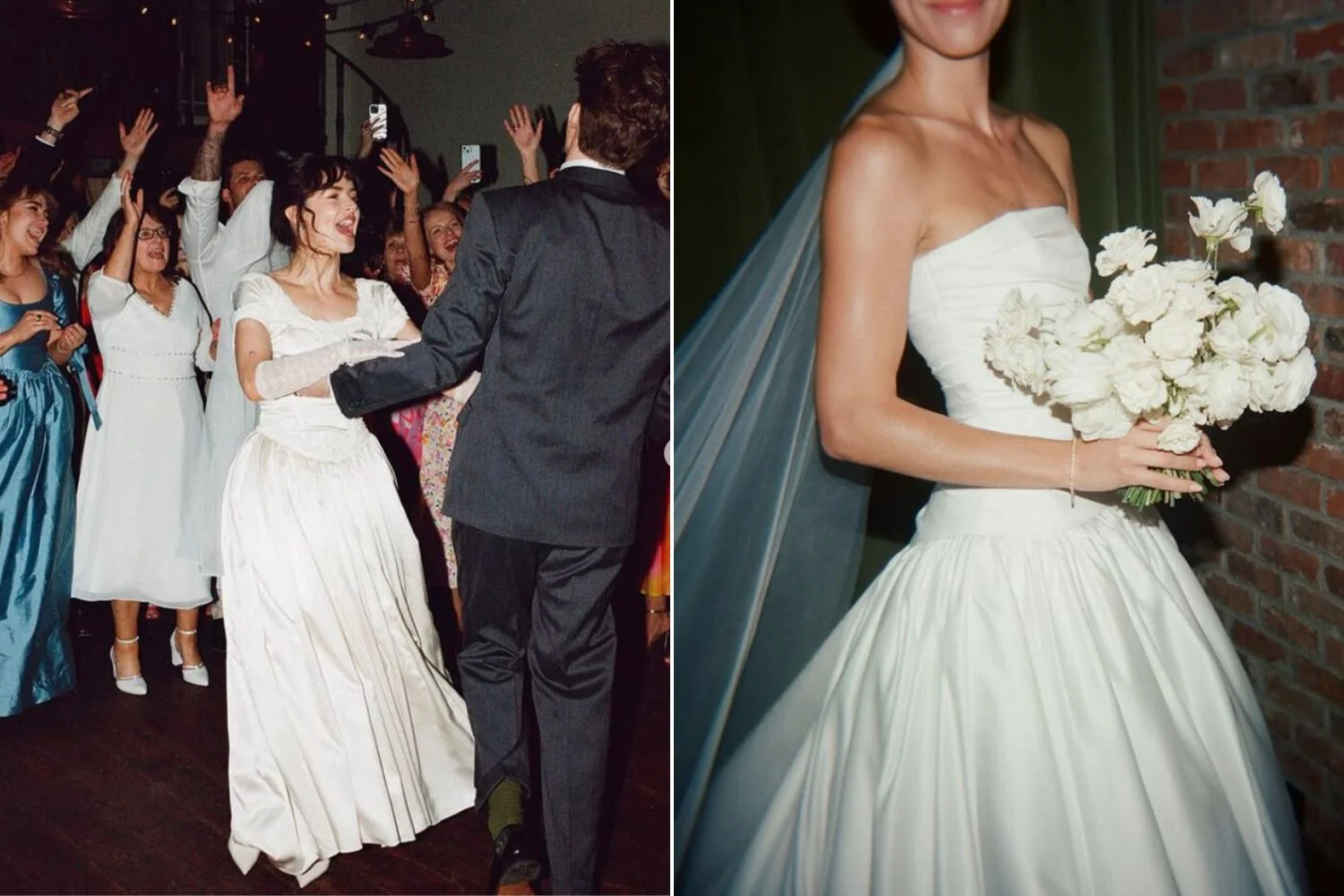
Photo on the right: EDEN PHOTO & FILM
What has changed?
For all three mentioned generations, the choice of a partner is most often based on love, which is beautiful, and it has not always been so. But when getting married, each of them focuses on different emphases - for the boomers it was creating a family and acting in accordance with the usual social order, the millennials held their wedding as an aesthetically pleasing event in which to shine brightly and celebrate their togetherness, but Gen Z returns to true values and authenticity, where all external artificial layers and glitter are discarded - there is no political establishment or public pressure, no show-off financial capability or directing a dream day where everything is polished to perfection. Only love, soul connection and respect for family ties, sipping non-alcoholic sparkling drink in grandmother's crystal glasses.
Wedding traditions change with society. Each generation creates its own story about love.
And it's actually beautiful. Because regardless of the era, the main question remains the same: do we want to be together?
This website uses cookies to improve the user experience and optimize its performance. By continuing to use this website, you agree to the use of cookies on this website.
Read more

 share
share