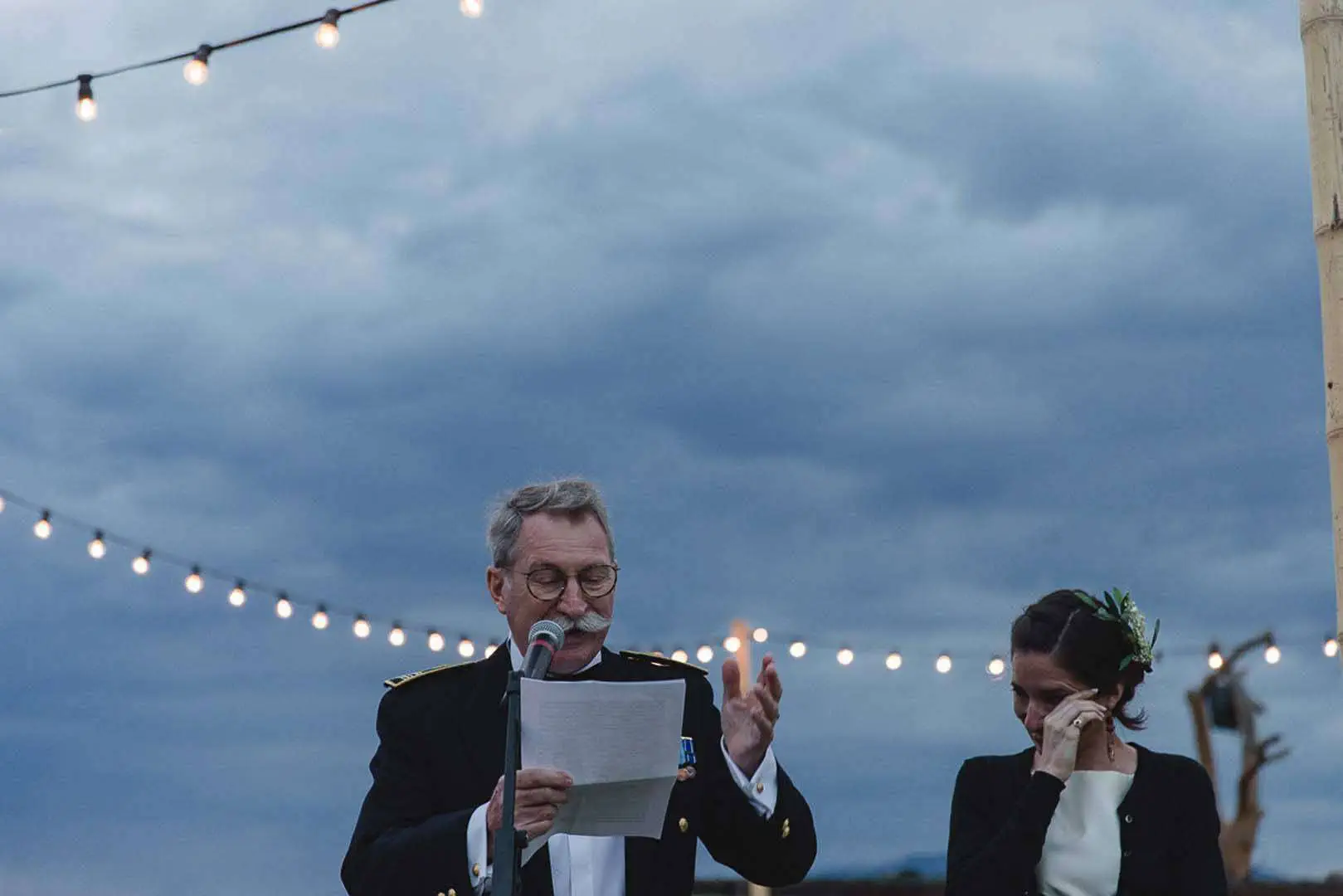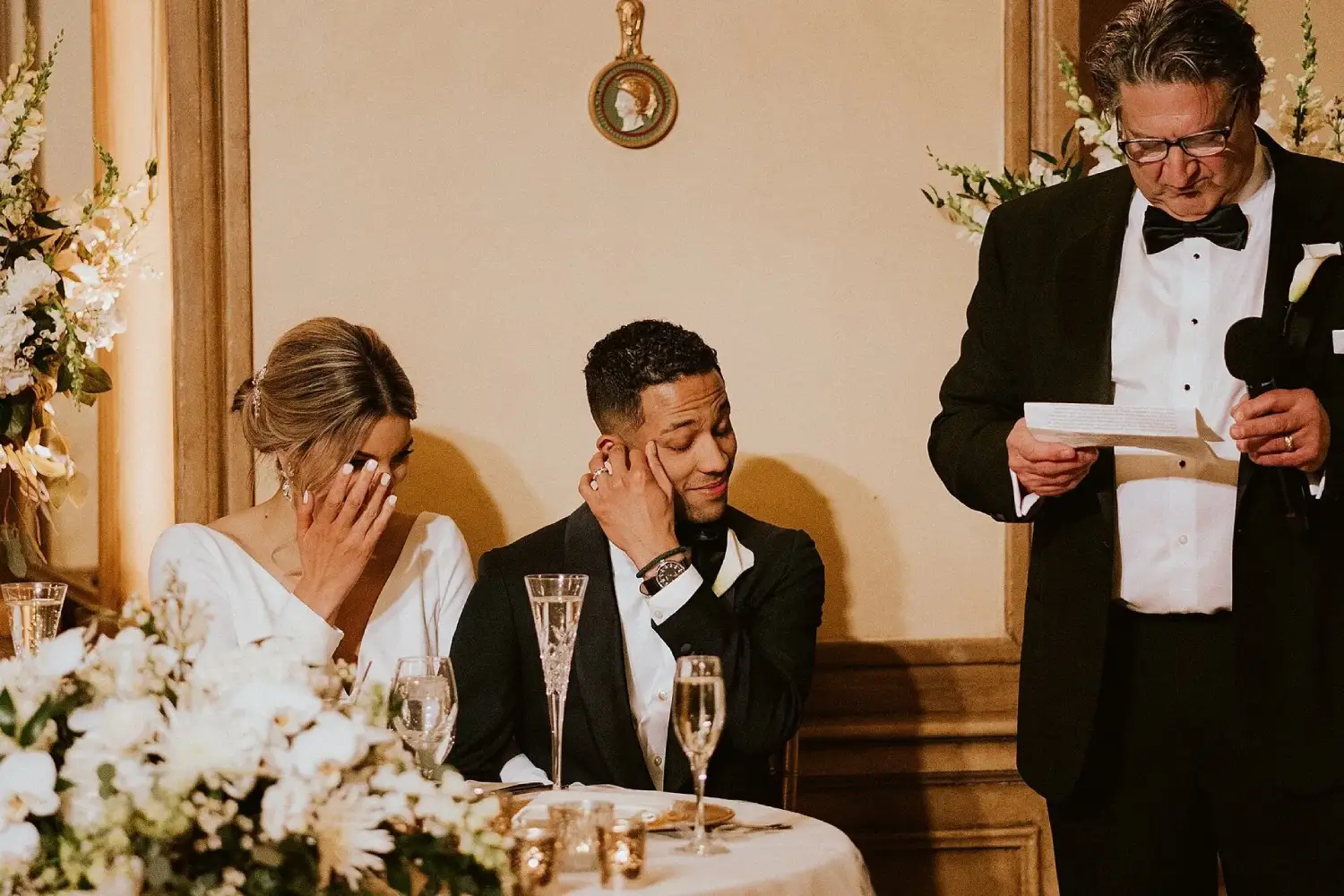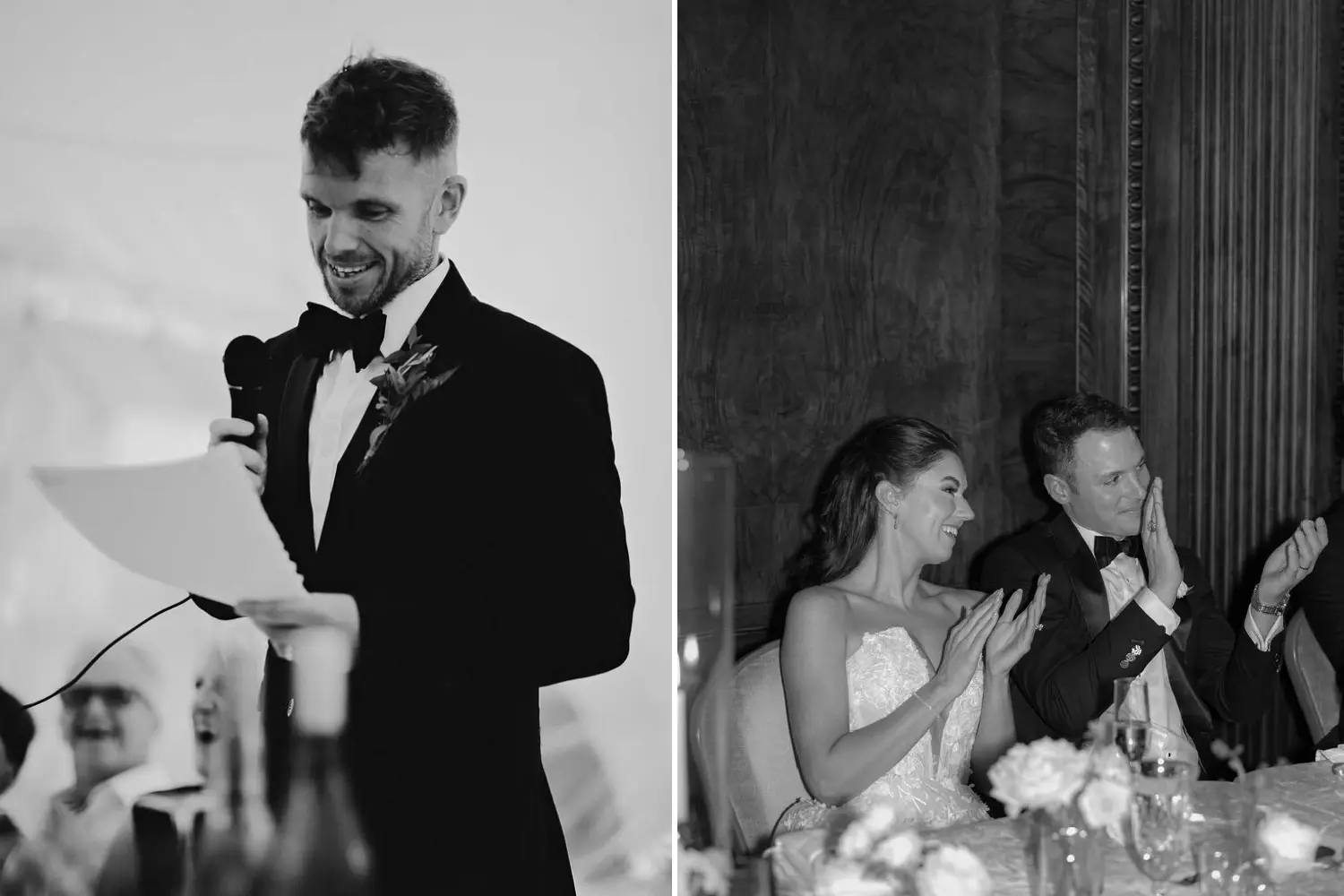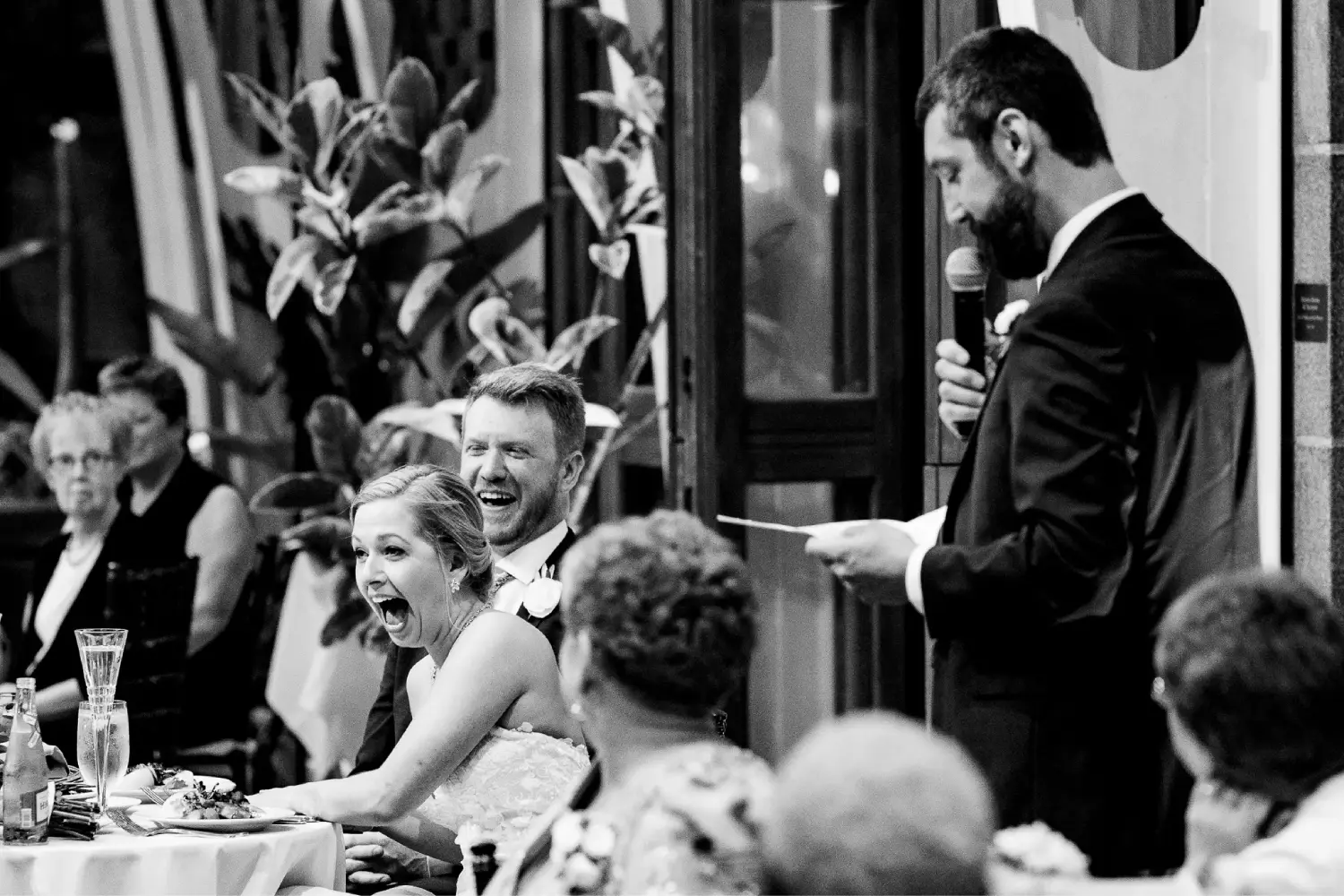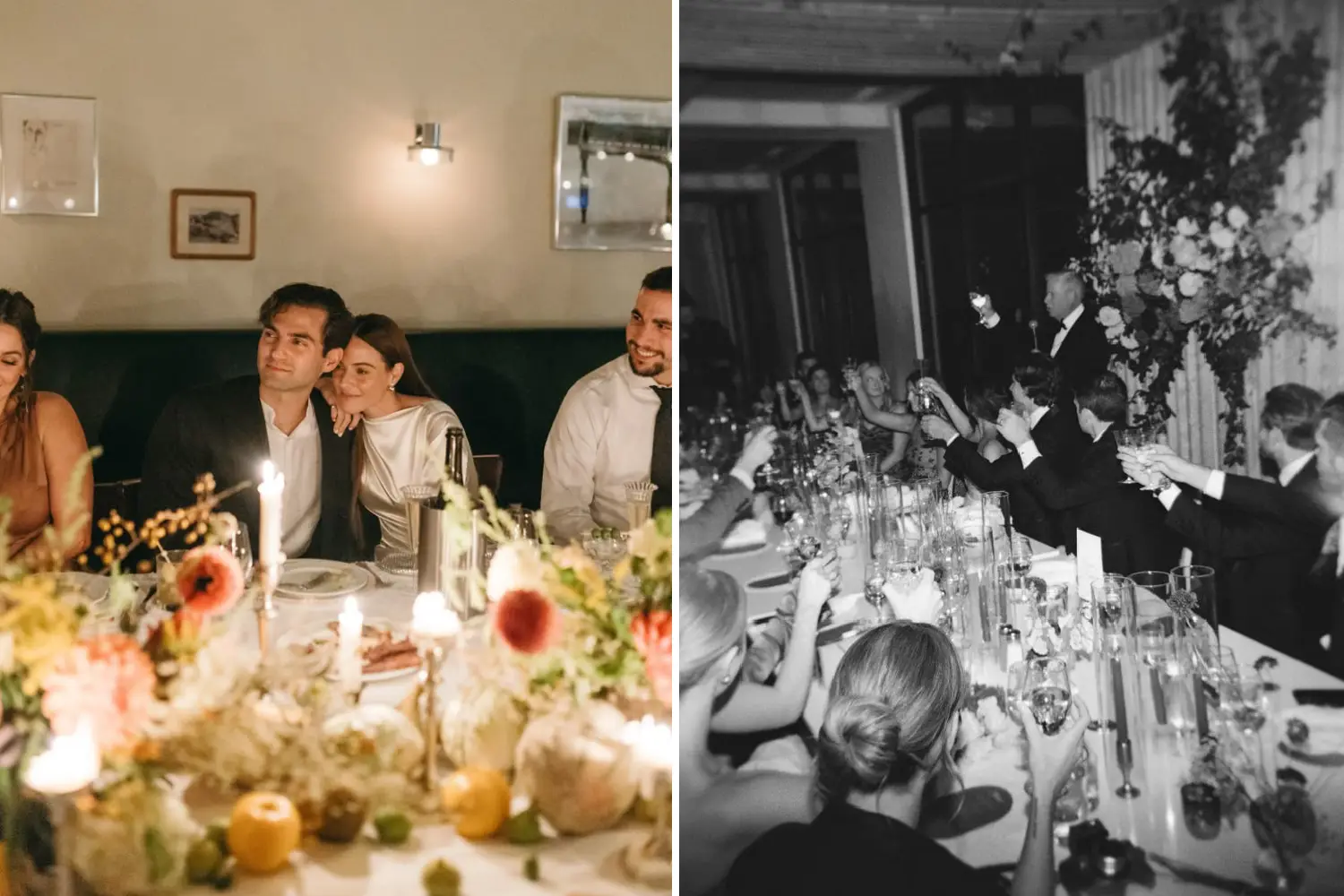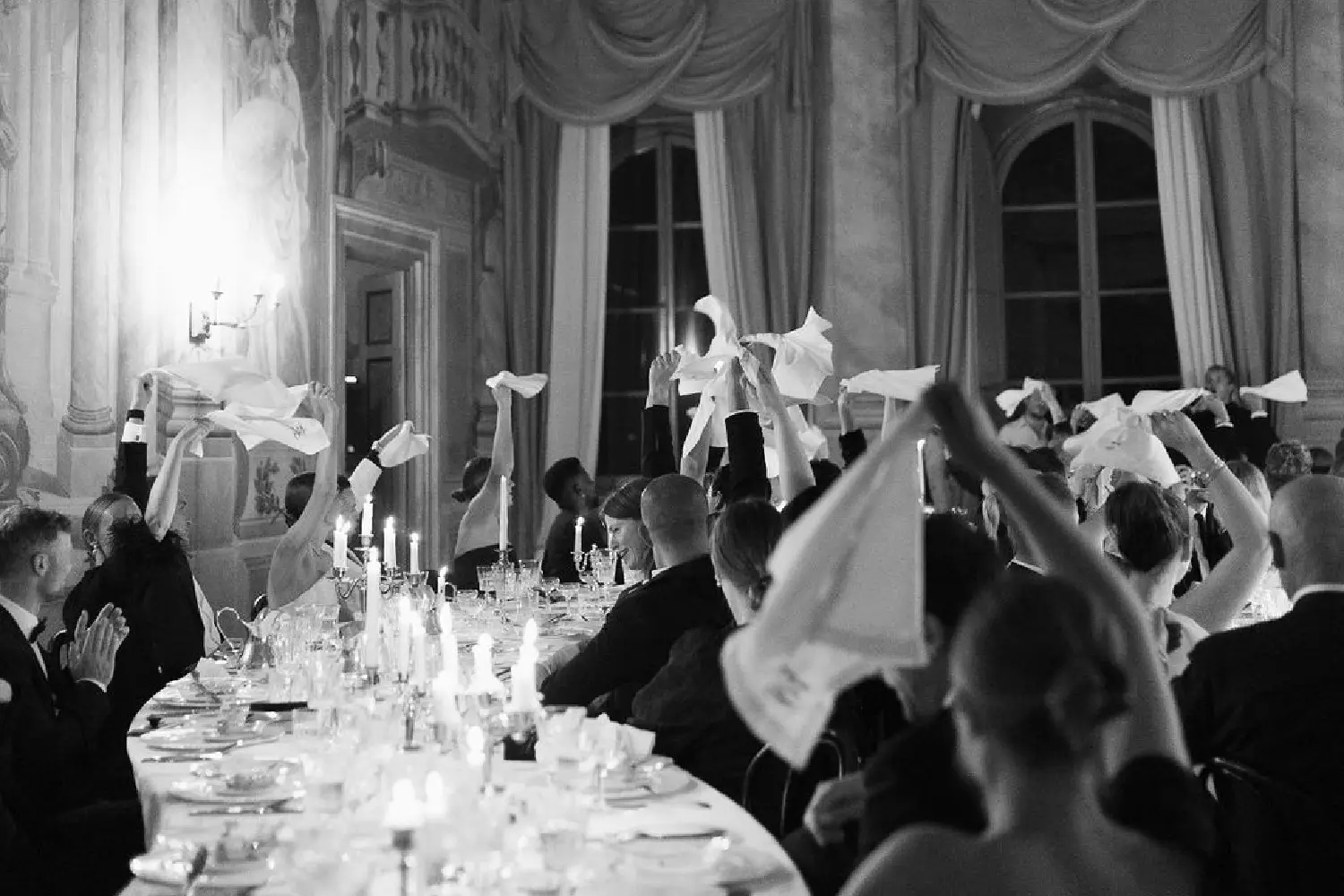
Giving a speech to the young couple at the wedding is sometimes not so easy. Unless the speaker is a born improviser , then creating a speech will require both an investment of time and the ability to go deep. If the other wedding guests can choose whether or not to address the new couple at a particular couple's wedding, then ushers are the people who are most likely to be expected to do so. However, it will all be worth it in the end, as what friends and family say to any couple is one of the most beautiful wedding memories.
Stories have great power. This is the reason why many stories are passed down from generation to generation - they resonate with the people who hear them. People struggle to remember numbers, general advice and phrases, but almost everyone remembers stories. That is why the wedding guests should become storytellers when giving their speech to the new couple. Instead of saying that the new couple is great, loves adventure, and will always stand up for other people, it's better to tell a story that proves all of that. People will remember stories. Of course, storytelling also requires skill to make a particular story exciting.

In order not to steal the star moment of the bride and groom, when preparing stories and an address to the new couple, you should remember an important rule - this day is not about you. Although the story can include shared memories, there is a balance to be found. There is nothing more annoying than an usher or bridesmaid or someone close to you who talks only about themselves when addressing the new couple at their wedding. This is not your star hour, you are just a tool entrusted with telling how great the new couple is.
Most speakers at weddings tend to be related to the bride or groom in one way or another. The bride's sister will undoubtedly highlight the bride more in her speech, and the groom's best friend will highlight the groomsmen. Most likely, you have known the bride and/or groom for a long time, you have experienced school memories, various joint events, however, your speech at the wedding should not become just a reminiscence.

Even if you start your address to the new couple with a story about one of them, during the speech you should focus on both of them as a couple, showing and outlining to the other guests how the arrival of the bride or groom in the other person's life has changed them. Maybe the groom has a much better sense of humor since meeting the bride, or maybe the bride, having met her real person, has become much braver for new choices.
The speech at the wedding should be apt, interesting, with a touch of humor, emotional at the same time, but not too long. The longer the speech, the greater the chance of losing the audience's attention.

It is always best to start the address to the new couple with a joke - that way you will attract the attention of the other guests. After each joke, there should be a short pause, allowing the new couple and the guests to laugh at the joke. However, in order for people to laugh, they need to understand the particular joke. For them to understand, it's best not to use "inside" jokes that only you and the couple find funny because they remind you of a specific event.
Although the wedding day is undoubtedly about the new couple, when creating a speech, you should think about it so that it seems interesting not only to them.
Also, you should not say anything that will make the couple feel uncomfortable or unpleasant, however, it is acceptable if you make good-natured fun of the couple themselves, revealing, for example, the favorite group of the bride and groom in their youth, but you should not get carried away with presenting facts intended for a narrow circle.

In order for the speech to the new couple to be delivered perfectly at the wedding, not only its content is important, but also the form of presentation. That is why it is not enough to just write it and read it once. It is best to read it out loud a couple of times a day, then after a few days you will have already memorized it and will feel much more comfortable when giving the speech.

Author of the article: LIENE PÄLĆA