Is it possible to have a wedding that is both beautiful and environmentally friendly? Yes, and what else! The aspect of sustainability has entered modern human life in almost all areas, reminding us of how important it is to think in the long term and protect the environment in which the most important people - our children - will live.
Couples want to celebrate their special day with respect for nature and reduce the amount of excess waste that could result from a crazy party. Why support and create quantity with things that can't be recycled or used when there are so many alternatives!
Organizing a sustainable, environmentally friendly wedding requires awareness, a careful approach to choices and also knowledge, but not necessarily higher expenses or more complicated organization. Start by determining your budget and the values that will guide your wedding: is a zero-waste approach, local products, or reducing your carbon footprint a priority? Choose a location that minimizes the need for transportation - for example, wedding ceremonies and celebrations in one place. If possible, prefer places that already use eco-friendly solutions, such as natural materials, cooperation with local farmers and other suppliers, waste sorting, rental decorations and furniture.
When meeting with wedding service providers, talk about your desire for naturalness, ecology and sustainability - often they will offer solutions that you have not even thought of.
Balloons and disposable accessories create a huge amount of waste. Instead, you can use potted plants, which can then be replanted or given to guests, natural elements - wood, glass, fabric or paper decors, which not only look elegant, but are also recyclable or reusable. It is a great idea to rent decorations from wedding planners or rental companies - this not only reduces costs, but also allows you to use quality materials without buying. If you prefer homemade solutions, use recyclable or already available resources - for example, old books for table number holders or linen tablecloths, which will really have a place to use later.
In decorations, the most important thing is to avoid plastic (also in parts) and sending raw materials from distant countries.
Local products for a meal
Food is one of the biggest expense items at a wedding – and also the biggest potential source of waste. Sustainable choices start with local, seasonal produce that reduces transport emissions and ensures freshness, while supporting local producers by helping them continue the work they've started. On the other hand, if there are leftovers after the wedding, they can be properly composted.
The wedding bar will be made unique and exciting by local wines, kombucha and other drinks, which will also support nearby producers.
The era of single-use plastic dishes is over, manufacturers use more environmentally friendly solutions, however, any single-use product is another choice that creates an additional burden on the environment. The same goes for plastic water bottles and disposable coffee cups and napkins that are not friendly to nature and your health. Everything we use enters our body through our skin.
A wedding dress is an outfit that is supposed to be worn only once. However, sustainable and environmentally friendly solutions are also available in this area – a rented dress, a vintage dress, a re-stitched omes wedding dress or a dress that can also be used later, for example, a two-piece wedding dress with a corset and a skirt. A good option is to sew the wedding dress afterwards. Brides often order a christening outfit for their baby from the fabric of their wedding dress.
If you still want something new - choose brands that sew to order and use natural, certified materials. After the wedding, the clothes can be changed and worn again – the dress becomes a evening dress , a suit becomes part of the business wardrobe.
It can be emotionally difficult to accept a used outfit as your wedding dress. It's easier with jewelry - vintage jewelry and handmade, which will once again support jewelers and small producers. Heirloom jewelry will add a more personal touch to the wedding and is the greenest of solutions.
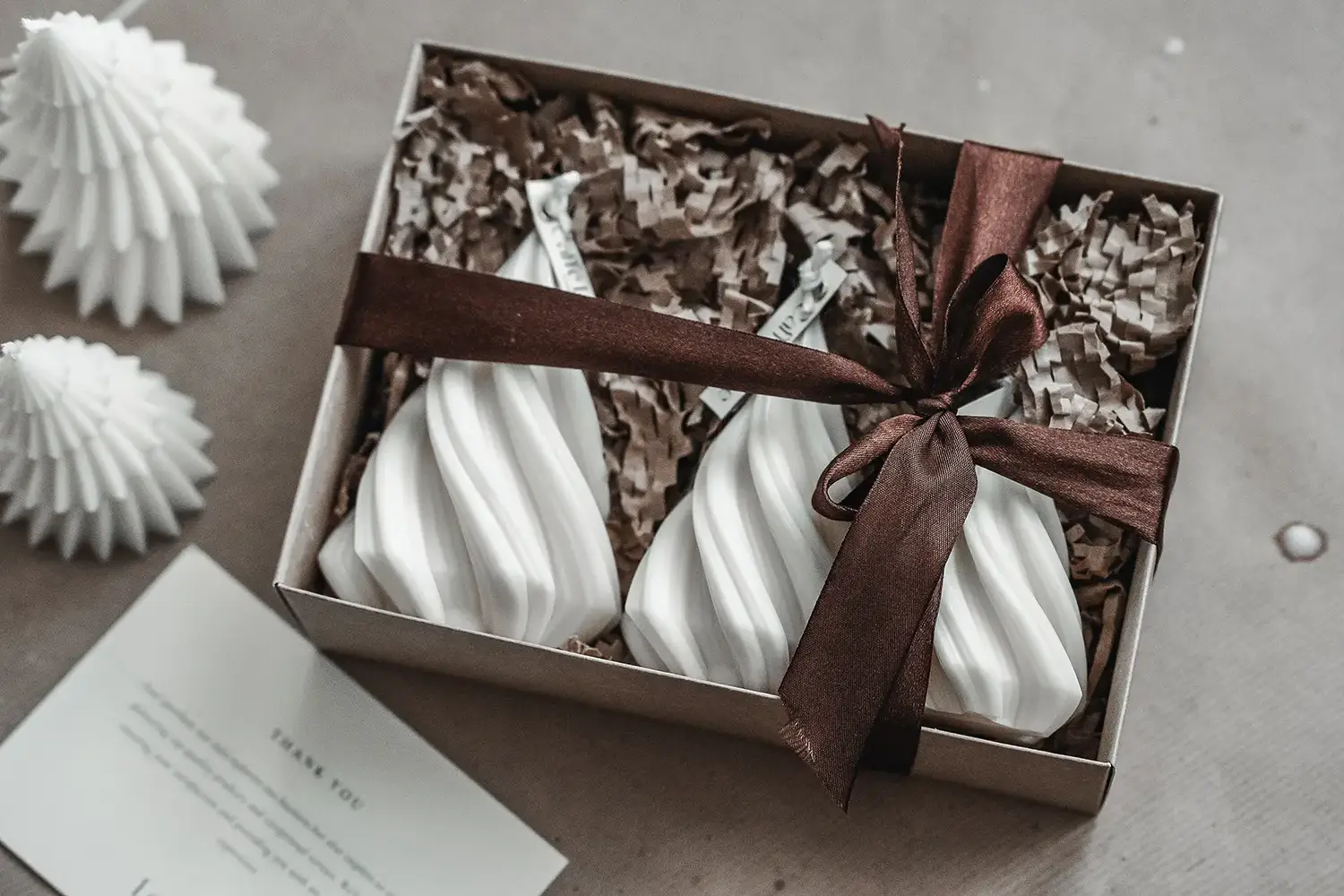
Gifts are a touchy subject, especially at weddings - but you can take a sustainable approach to this too, for example by creating a wedding gift list of practical, long-lasting or ethically produced items that you're sure will be put to good use. Donations to a chosen charity or a collective gift for a greater cause - a trip, a home or creating a garden - are also a great idea.
An additional option is a wedding concept without gifts - sometimes the event itself is already a big investment from the guests. If you want symbolic gifts, ask them to be homemade, second-hand or practical, such as jam, seedlings, second-hand books.
Finances dictate choices, but they can also be your ally on the road to a greener wedding. A sustainable budget means re-evaluating priorities – less fine details, more important things. For example, local flowers instead of imported ones, thus also taking care of environmental friendliness.
Start by dividing your budget into sections: food, clothing, decorations, gifts, transportation, etc. In each of them, note where it is possible to implement the principles of sustainability, recording exactly which ones and where savings are possible.
Sustainable ideas for entertaining children at weddings
If you have children at your wedding, it's worth thinking about how to entertain them in an environmentally friendly way. A great option is a children's corner with natural or recycled materials - wooden toys, coloring pages, creative activities that use paper and natural materials. You can also create a peaceful reading corner, or hire a babysitter, with whom the children play games or each plant a plant in a pot, which can then be taken home.
How to convince guests to respect the principles of sustainability?
All decisions, which also concern the choices of the guests, must be informed in time, specifying the essential aspects in the wedding invitation. Often, couples who go on a honeymoon trip immediately after the wedding will tell the guests not to bring flowers in the wedding invitation. An alternative to cut flowers can be potted plants or a used, valuable book. Likewise, if organized travel by guest bus is planned, you must inform about it, indicating the possibilities of where to park your car or how to get to the shared transport and back.
Digital invitation creation platforms are becoming increasingly popular these days – and rightfully so! By sending invitations electronically, you reduce paper consumption, printing resources and transport emissions. Plus, they make it easy to collect responses, meal choices, and even organize photo sharing after the event. If you still need tangible invitations, choose recycled paper.
Most importantly, ensure that communication is understandable, easily accessible and consistent with your sustainability values.
This website uses cookies to improve the user experience and optimize its performance. By continuing to use this website, you agree to the use of cookies on this website.
Read more

 share
share


.webp)