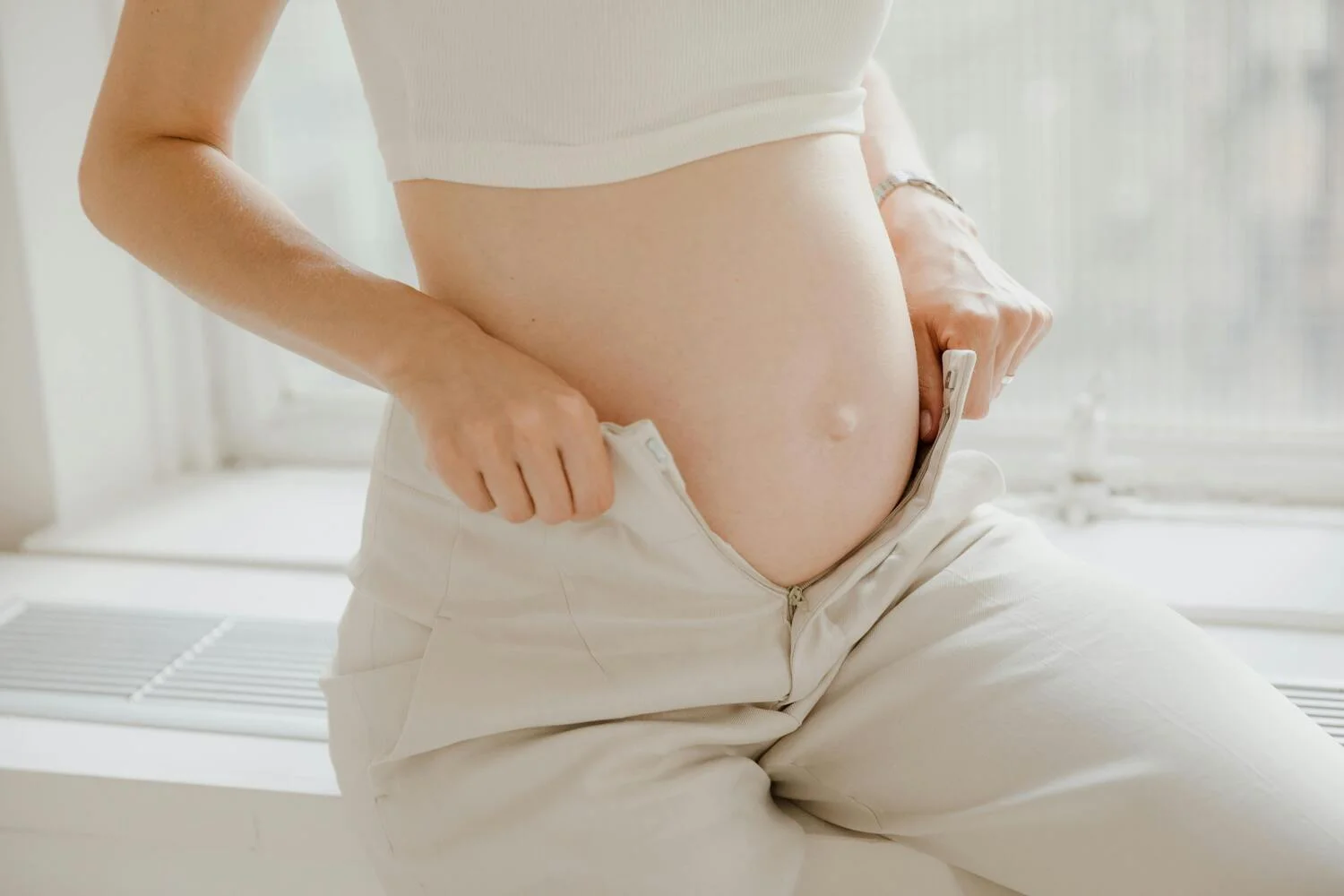
The time of expectation and the arrival of a baby in the family is charming and full of love. But becoming a mother tends to bring not only positive emotions, but also not so desirable changes in the body. Modern aesthetic medicine has developed so far that there is no need to be sad about a breast that has lost its shape or a stomach that can no longer tighten the skin naturally - women have the opportunity to return their excellent shape and feel as confident as before giving birth.
J. Gīla clinic doctor, dr. Ansis Gīlis, is specialized in face, breast and body aesthetic and reconstructive surgeries. We asked him - what exactly is a mommy makeover, what operations can be performed at the same time, and what to prepare for.
 Ansis Gīlis
 What is included in the mommy makeover?
The essence of mommy makeovers is to sort out what nature and pregnancy have done to hormones, weight and lifestyle changes. Most often, the most noticeable changes are breasts that have changed in shape or volume, or both, or sometimes they are fat deposits that remain in some place after losing weight and leave problem areas. It can also be a change in the front wall of the abdomen.
If several procedures are performed - both abdominoplasty and breast enhancement, can they all be done at the same time or are they separate operations?
Most often, mommy macover is combined operations, trying to arrange as much as possible. Sometimes 3-5 types of manipulations are included in one operation, but there are times when it should be divided into two or even more stages.
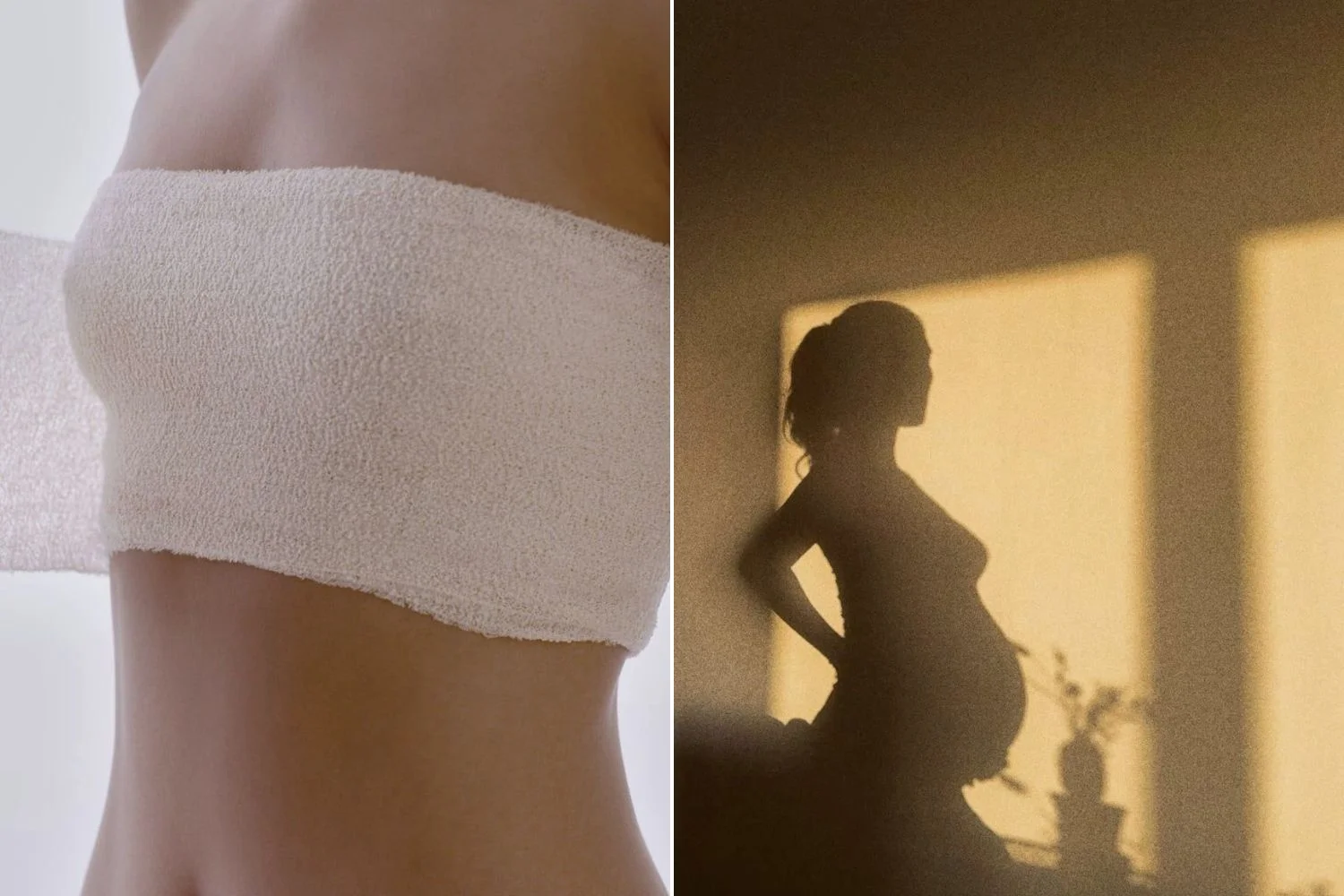
Is it related to the recovery period?
It has to do with a lot of things. If the breasts have only lost volume, but they do not sag, we can get the volume back with a 45-minute surgical manipulation. It is a quick, gentle on the patient, surgery with a very small incision. If implants are to be placed only for volume correction, and there is a little excess skin in the lower abdomen, a little fat pads on the sides - we perform all these three operations at once. On the other hand, if there are very large breasts that need to be significantly reduced and the duration of the operation can be up to 3.5 hours, we do not perform other manipulations.
Taking as an example a simpler operation in which both breast and abdominal surgery can be performed. What is the recovery period?
During the consultation, we provide answers to all questions for each patient, conduct analyses, see what type of operation or combination is most suitable, and warn about the peculiarities of the preparation and post-operation period.
I do not recommend fasting before surgery. Fasting in the pre-operative period, trying to lose a few extra kilograms, can pay for risks during the recovery period, because the necessary nutrients are not received. For patients who are smokers, this vice should be eliminated one month before the operation and it is preferable not to resume it for at least the first month after the operation. We perform operations on patients who are both emotionally and medically ready.
On the day of surgery, patients enter the clinic, these operations are performed under general anesthesia. After the operation, the patient stays with us for the first night to see how the body has coped with the anesthesia and what the early postoperative period is like. We evaluate which analgesic therapy is the most appropriate so that the patient feels comfortable at home.

Can everyday things continue? For example, drive a car?
For the majority of patients, I recommend having a helper in the house duties for the first 3-4 days. It would not be wise to drive for the first week - this is due to the fact that the operated areas may hurt during certain movements, for example, if you have to react quickly at the wheel, and this can be dangerous for the driver.
Nowadays, do such operations need to be repeated after time, to change implants or mesh in the stomach? How long does the effect last?
No need to change. The meshes are both absorbent material and permanent, there are also thermal matrices that intergrow with blood vessels and create a natural layer of soft tissue.
The risks are serious changes in weight that can cause changes in the shape of the abdomen, the biggest being rapid weight loss. Because when the weight increases steadily, it doesn't really change anything from a cosmetic point of view, but when it drops rapidly and a person gets older, the skin loses its ability to tighten over time. But repeated abdominal surgeries are not very common.
If the breasts are naturally very small and it is a breast augmentation, it is not necessary to change the implants of the last generations. For larger breasts, remember that the gland lives its own life - the mammary gland is unique for each woman and also for each breast. There are patients for whom the gland follows weight changes and cycle fluctuations, and there are patients for whom it is less visible. We also do not know what future pregnancies can do. Breasts tend to change.
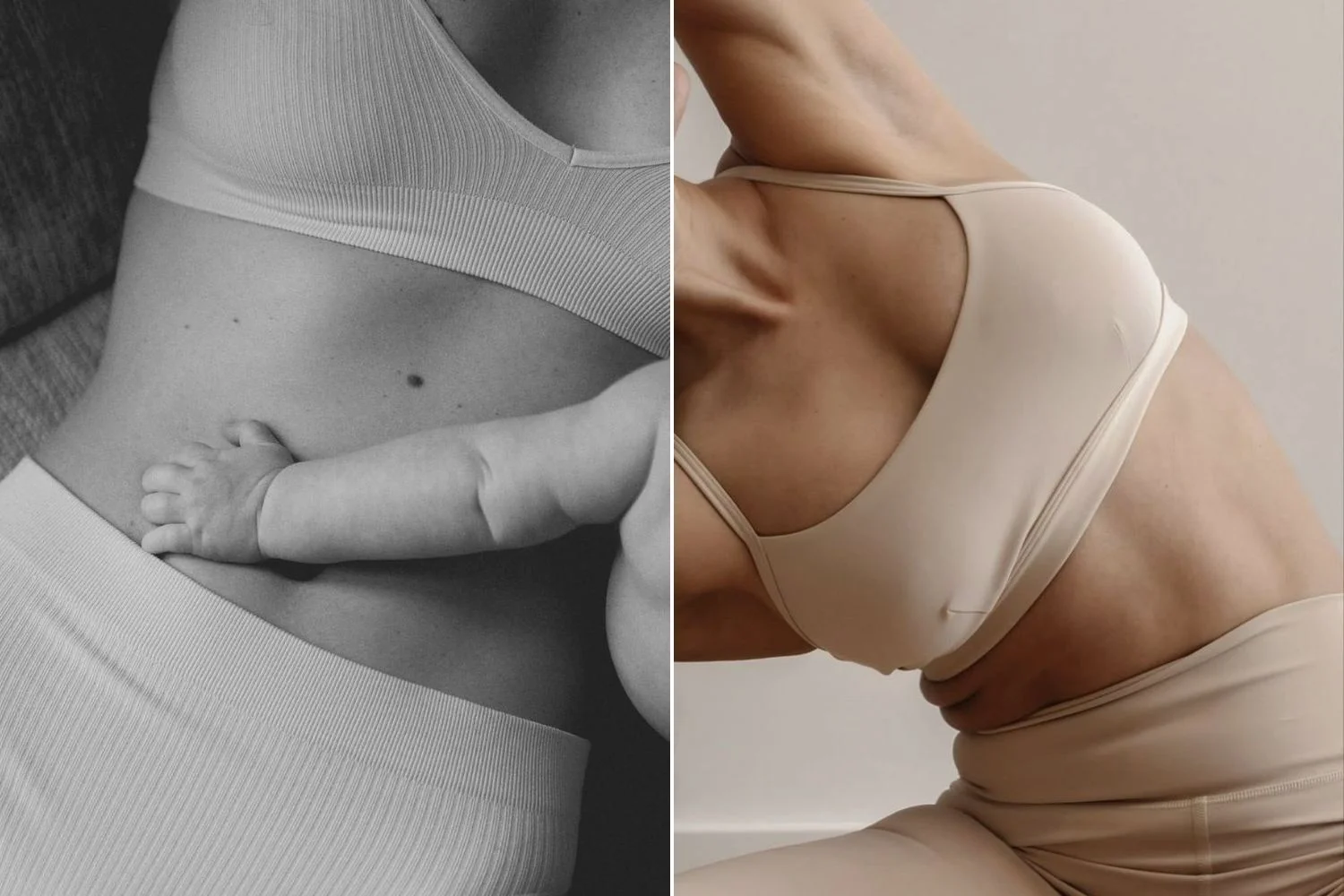
What feedback have you heard from ladies most often after these operations?
New mothers who were in great shape before pregnancy, happy with their appearance and never thought about visiting a plastic surgeon, and who no longer liked the look in the mirror after having a baby, note that this is absolutely what they need to feel like women and wives to their husbands again. This is important to return a person to a normal life.
The typical breast augmentation patient thinks - why didn't I do it earlier.
What was it in you that invited you to follow in the footsteps of your father, Jānis Gīlis, and work in the field of plastic surgery?
Medicine is our family tradition - we are several doctors. By law, I have come to this environment. Most of the family's friends and acquaintances have been involved in medicine. It seemed both cool and logical to continue it.
I am a specialist who wants to see results quickly. Therefore, the surgical fields are the closest to me. Plastic surgery is a vast and dynamic field. It has a wide spectrum in which to develop.
The greatest satisfaction comes from patients who come back later and say that this has been a cool turning point in their lives - they have become more self-confident, freer, and have changed their lifestyle, for example, they are no longer ashamed to go to the gym. Patients approach life with a completely different enthusiasm and zest for life.

 share
share