Did you like this content? Make world to see it! Choose the most convenient networking platform and share it on your social networks.

THE CHILD DOESN'T LISTEN? BASIC PRINCIPLES OF POSITIVE DISCIPLINE AS A HELPER

THE CHILD DOESN'T LISTEN? BASIC PRINCIPLES OF POSITIVE DISCIPLINE AS A HELPER

As a child, it seems that when I grow up, I will know everything! However, we grow up, become parents ourselves, and in that moment we understand that we don't know everything. There are so many questions to learn the answers to. One of them is how to do it correctly and efficiently and discipline the child non-traumatically. What is positive discipline and how does it manifest itself?

Why is disciplining children necessary?

Modern parents were raised differently. There was no such term as positive disciplining , perhaps because of this seems to have a slightly negative connotation. However, this is not the case! Discipline is necessary and provides security to the child feeling, so that it is easier to navigate in the world that needs to be known and learned. Discipline helps to develop self-control, conscience, sense of responsibility and respect for others, self-esteem and self-reliance, ability to regulate and it's acceptable to express your emotions.

Foto: <a href="/kazam/kazu-fotografi/linda-lauva/">LINDA LAUVA</a>/ <a href="https://ligavam.lv/kazu-stasts/anita-girts/">Kāzu pakalpojumu sniedzēji</a>
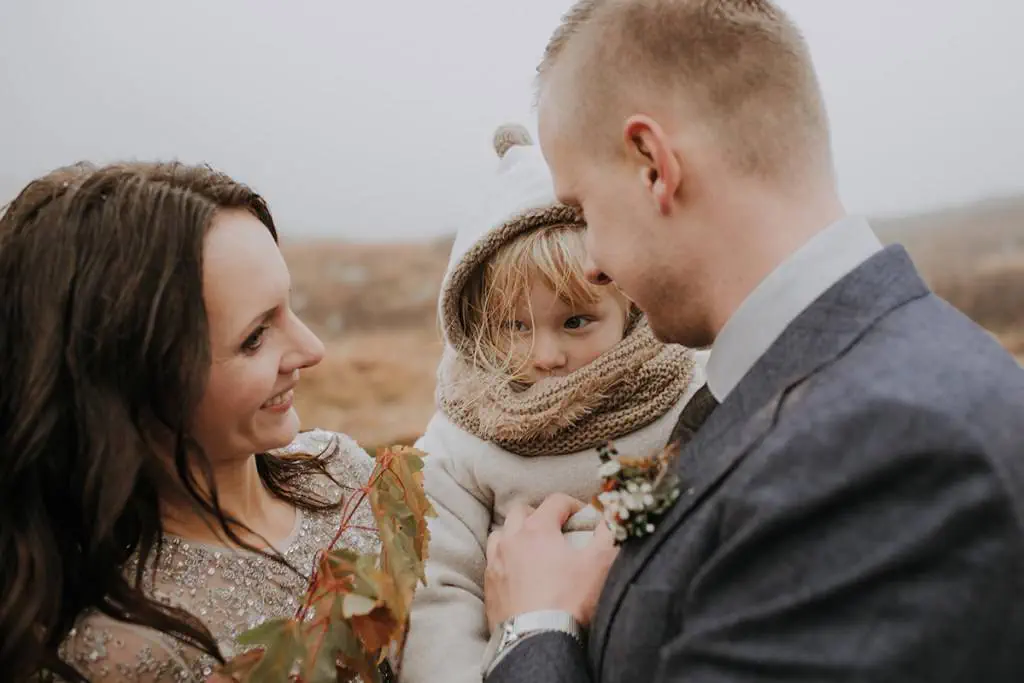
Photo: LINDA LAUVA / Wedding service providers

The example of parents is a model for children

Latvian proverb says: "The young birds sing the song of the old birds". From no one else does a child learn a pattern of behavior like this very much, as from parents, from those who raise a child. It is important to remember that the child learns from what you show with yours examples, not bare words, and the road will lead nowhere - I say one thing, do another. Every parent knowingly or unconsciously have a list of good qualities and values that you would like to see in your child, such as the ability to apologize, the use of elementary polite phrases, the art of empathy.

Then demonstrate these qualities to the child with your example!

bērni neklausa, pozitīvā disciplinēšana
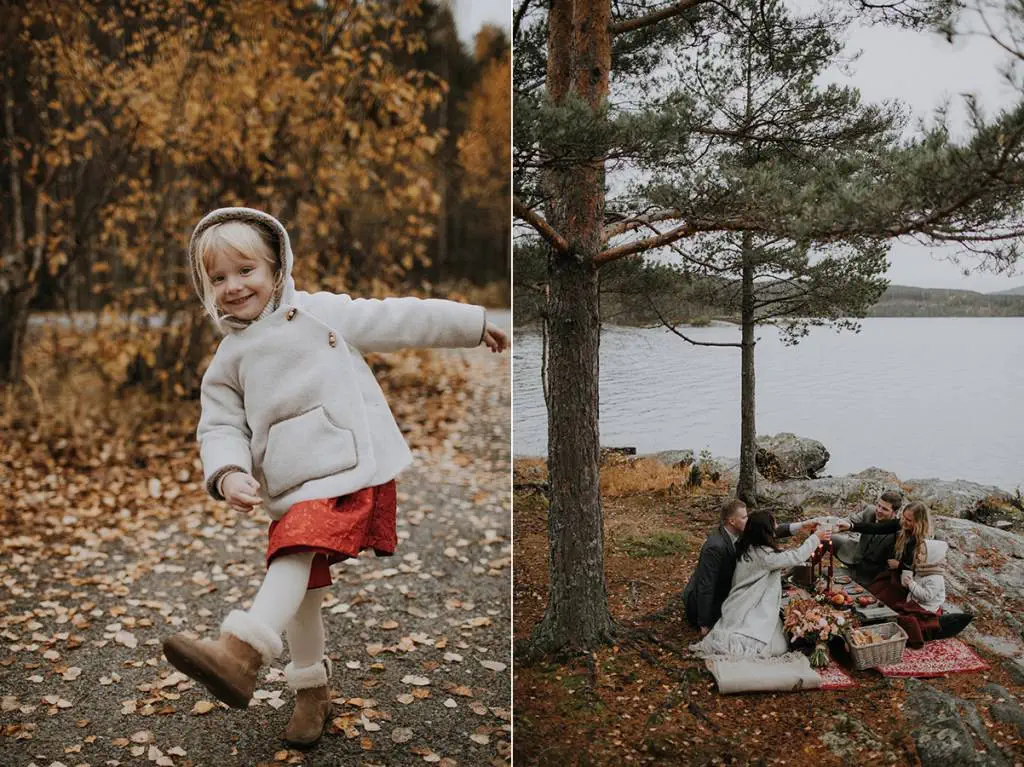
Photo: LINDA LAUVA / Wedding service providers

Clearly laid out rules and consistency

Adults should first agree on rules at home and in the family. If about child rearing there will be disagreements among adults on issues, it will cause confusion among children. Children are very sensitive to the mood of their parents and, if they fight and cannot agree on following the rules and how to respond to violations, older children may take advantage of the situation in an attempt to break the rules. Once you've worked out the rules on your own, between adults, time with introduce the children to them.

bērni neklausa, pozitīvā disciplinēšana
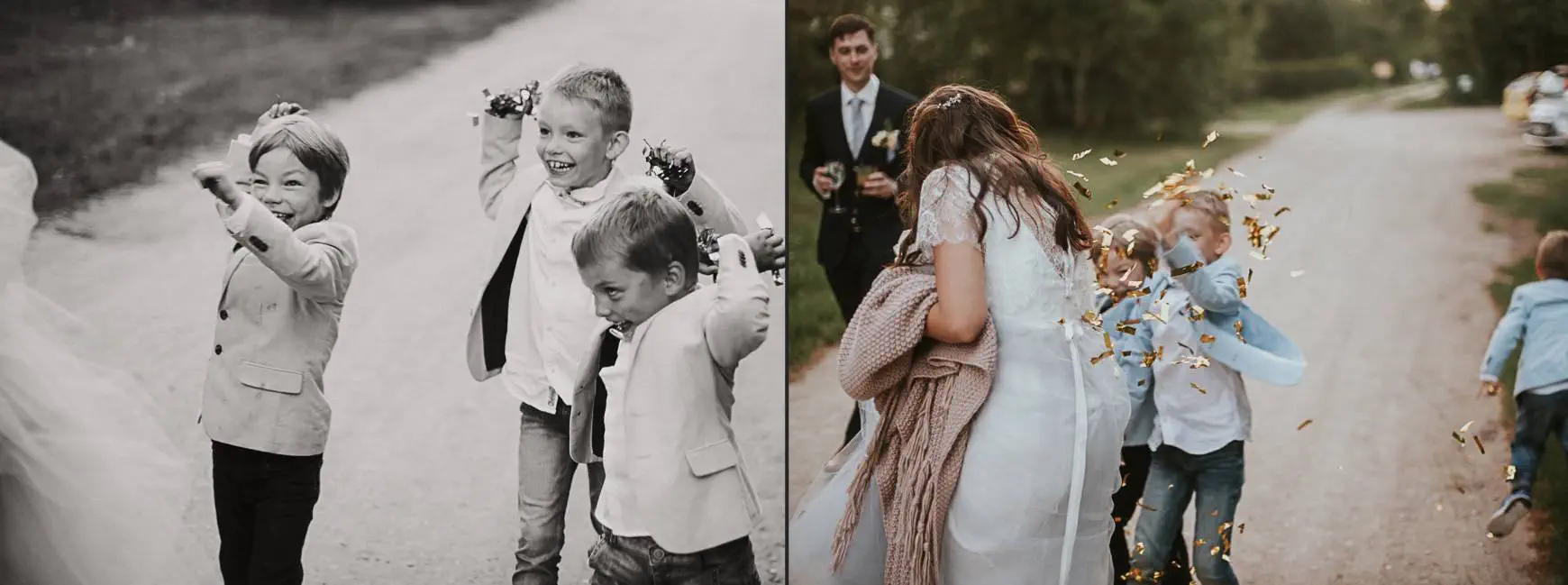
Photo: MIKS SCHELS / Wedding service providers

The younger the children, the simpler the rules of behavior should be. With babies, it is not worth getting carried away with a rule quantity, because children simply won't be able to remember them. Make sure that the child has really understood the rules. You can create a poster of the rules to place in a visible place. For smaller children who can't read yet, you can set the rules draw or otherwise represent.

bērni neklausa, pozitīvā disciplinēšana
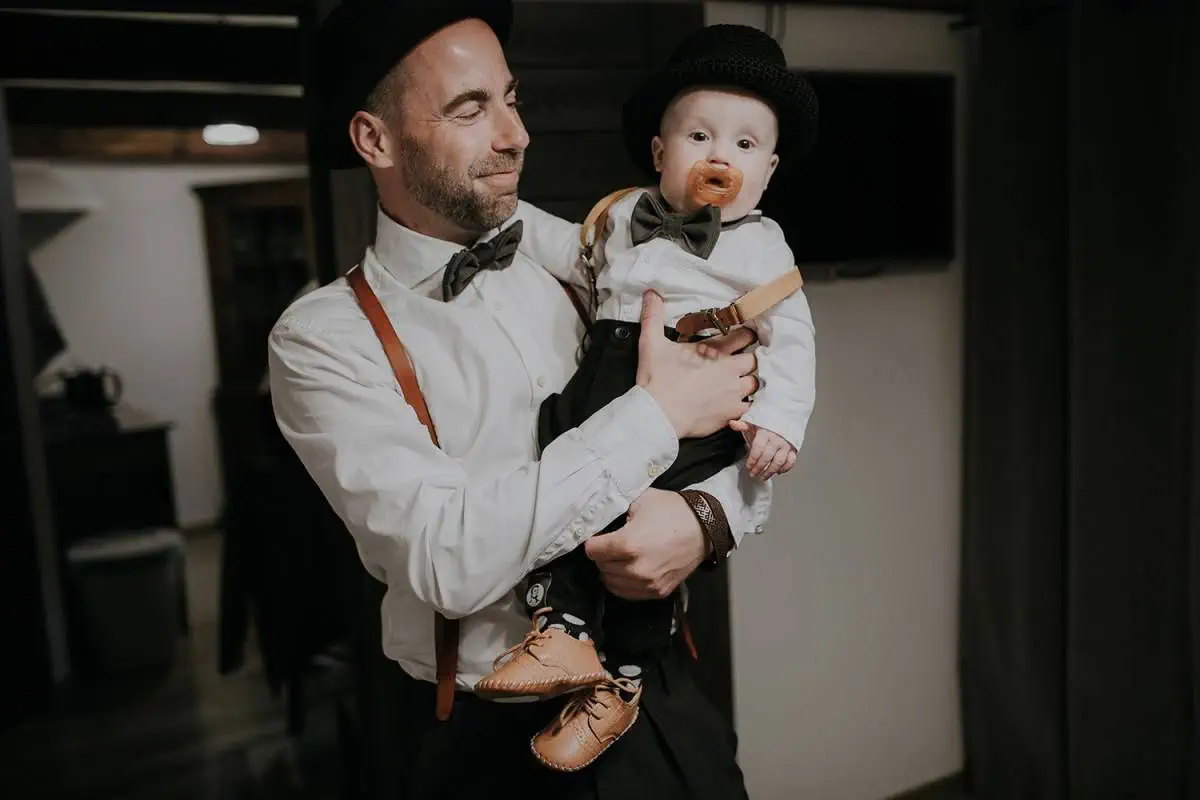
Photo: LINDA LAUVA / Wedding service providers

Undivided attention and positive communication

It will be easier to discipline a child who receives undivided attention from his parents, and it will be an immeasurable benefit to his for self-confidence. Undivided attention - this means that at least 15 minutes a day are devoted to joint activities, games, for drawing, talking, playing sports, anything you really do together without keeping one eye on your phone or computer screen.

bērni neklausa, pozitīvā disciplinēšana
Photo: LINDA LAUVA / Wedding service providers

Speak, encourage the child to tell about his feelings!

Interest in the child will help him feel important. A parent's job is to listen carefully. Often stumbling the stone is paying attention when the child has done pranks in our understanding. But the good works remain in the background. It is extremely important for a child to be noticed and praised.

bērni neklausa, pozitīvā disciplinēšana
Photo: MIKS SCHEL / Wedding service providers

Insights from educator, doctor and psychologist Maria Montessori:

  • A child learns from what he sees around him.
  • If a child is often criticized, he learns to condemn.
  • If a child is praised, he learns confidence in himself.
  • If you are fair to your child, he learns to be fair to others.
  • If a child lives in safety and feels protected, he learns to trust.
  • If a child is often shamed, he learns to feel guilty.
  • If a child's failures are treated with understanding, he learns to be patient.
  • If a child lives in a friendly environment and feels loved, he learns to find love in this world.
  • Focus on the development of the good in the child, then there will be no room for the bad.
bērni neklausa, pozitīvā disciplinēšana
Photo: LINDA LAUVA / Wedding service providers

Author of the article: IEVA KRASTIņA

Photo: LINDA LAUVA , MICK SCHEL


Read also: WEDDING CEREMONY WITH CHILDREN M

Other Articles