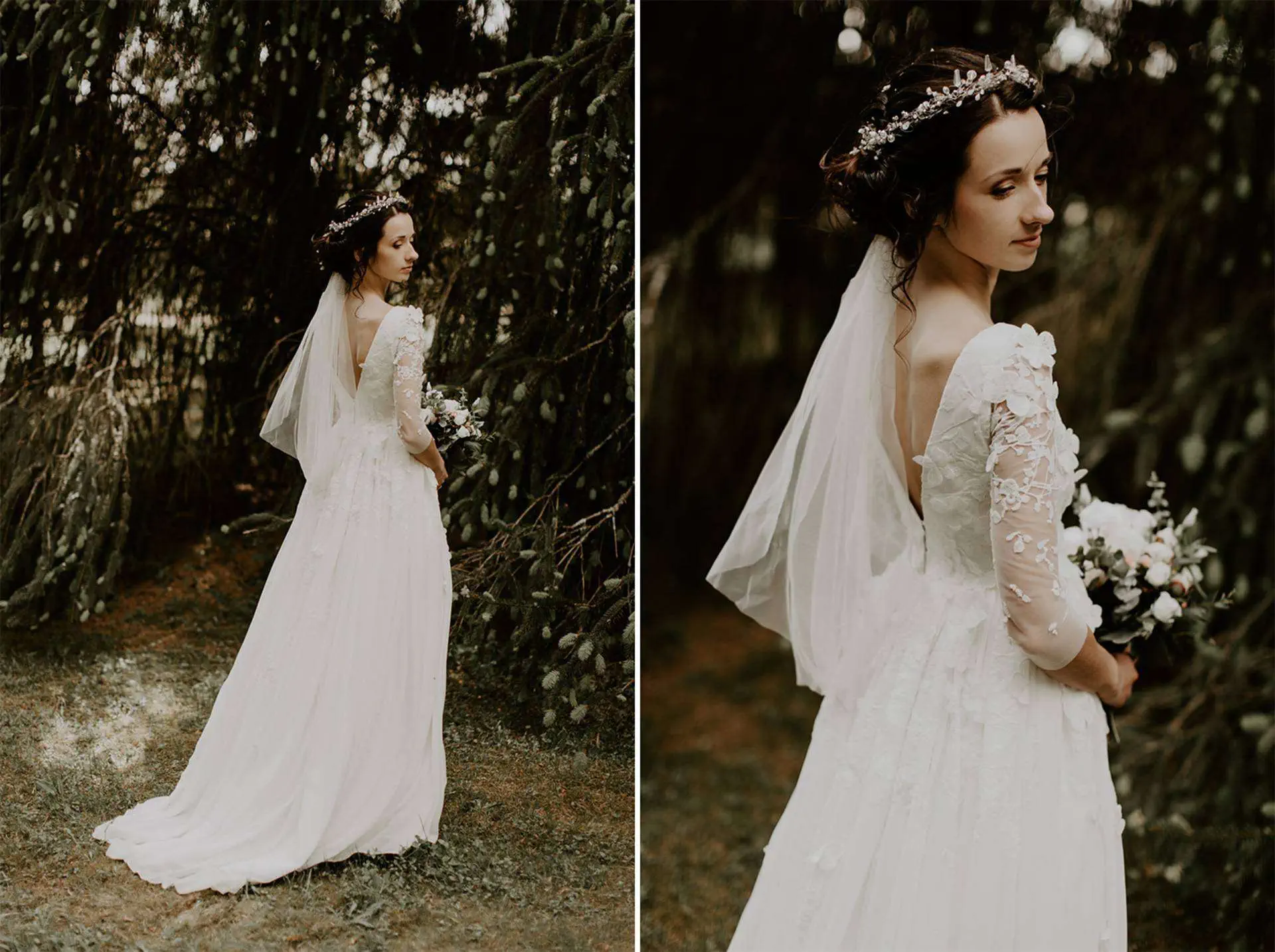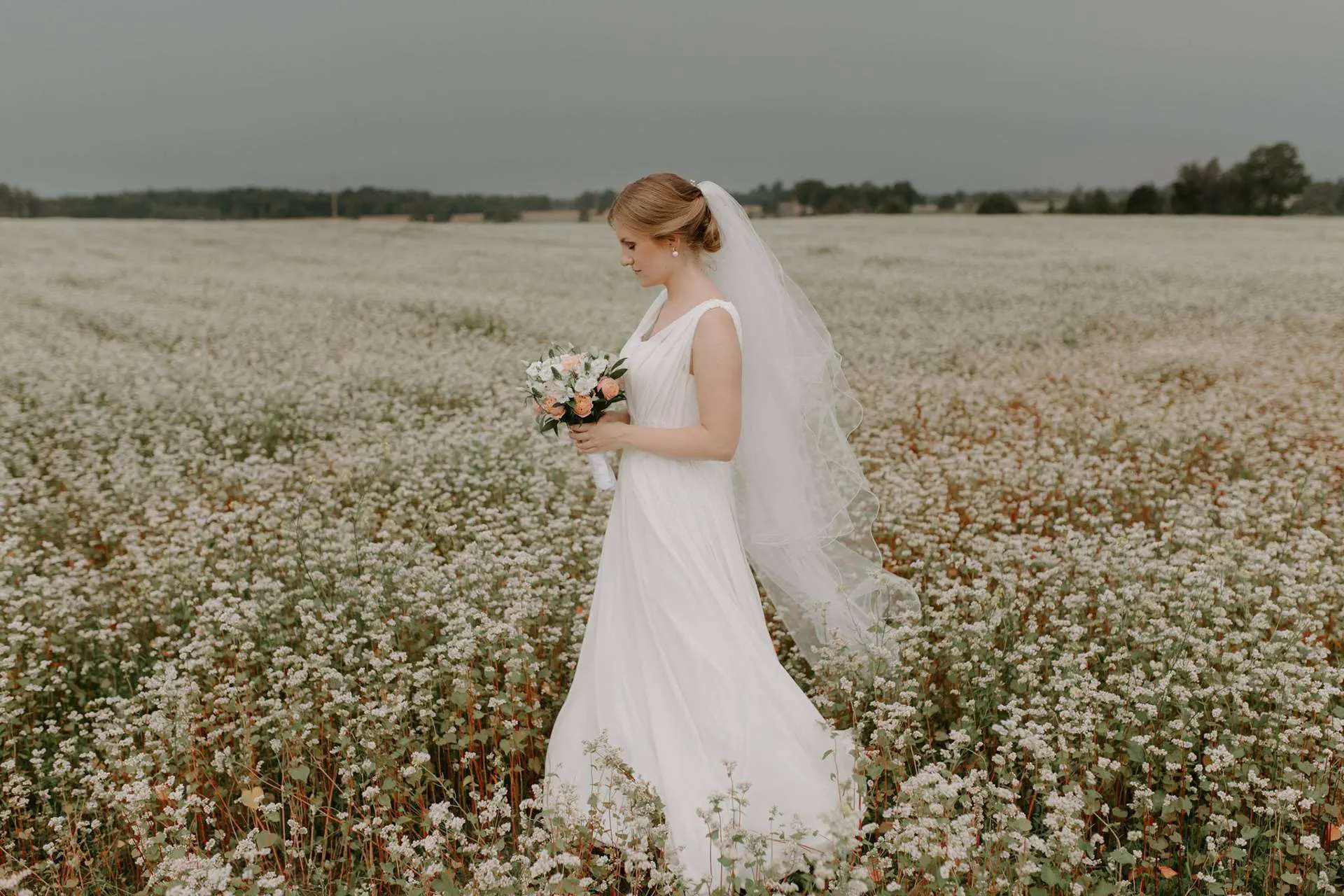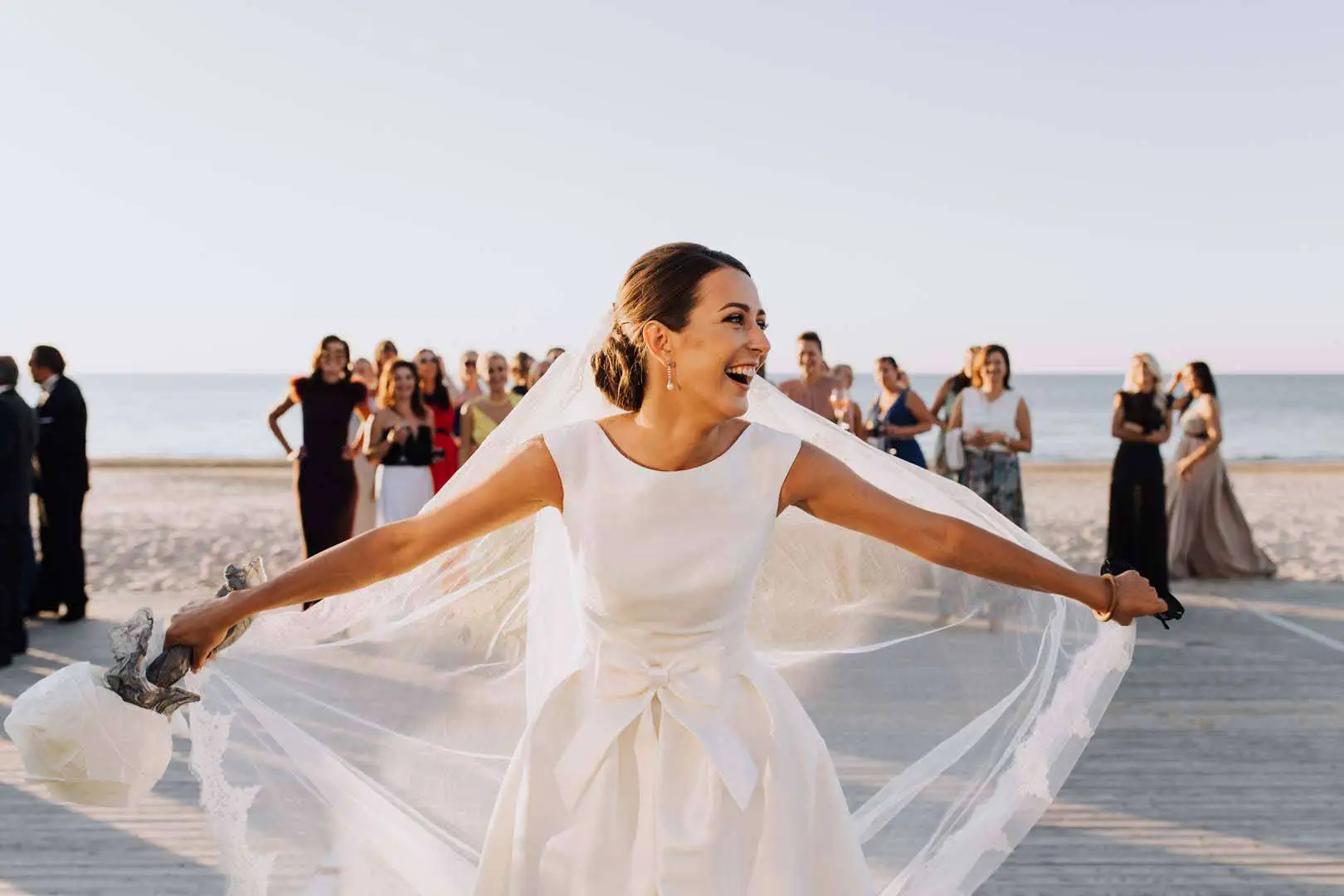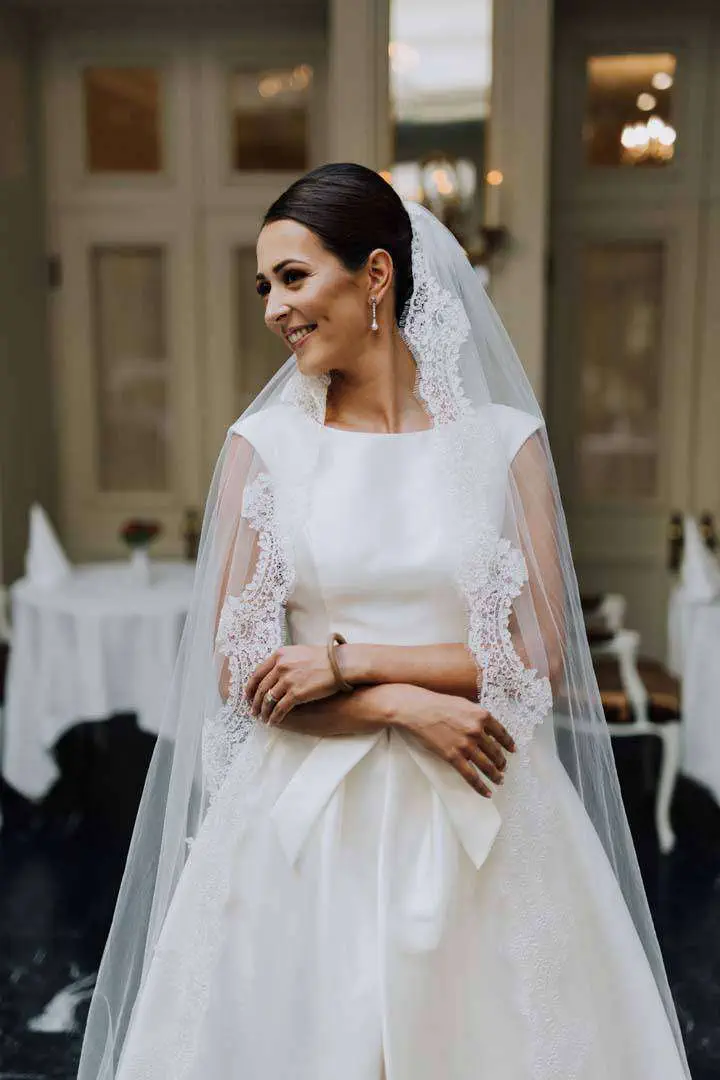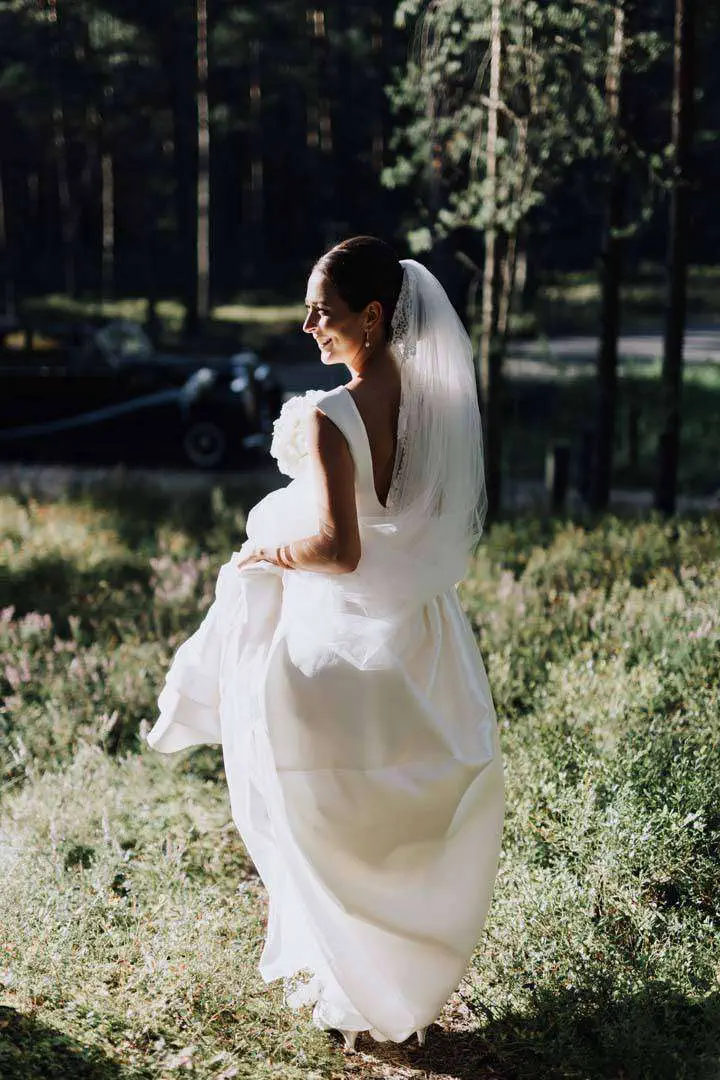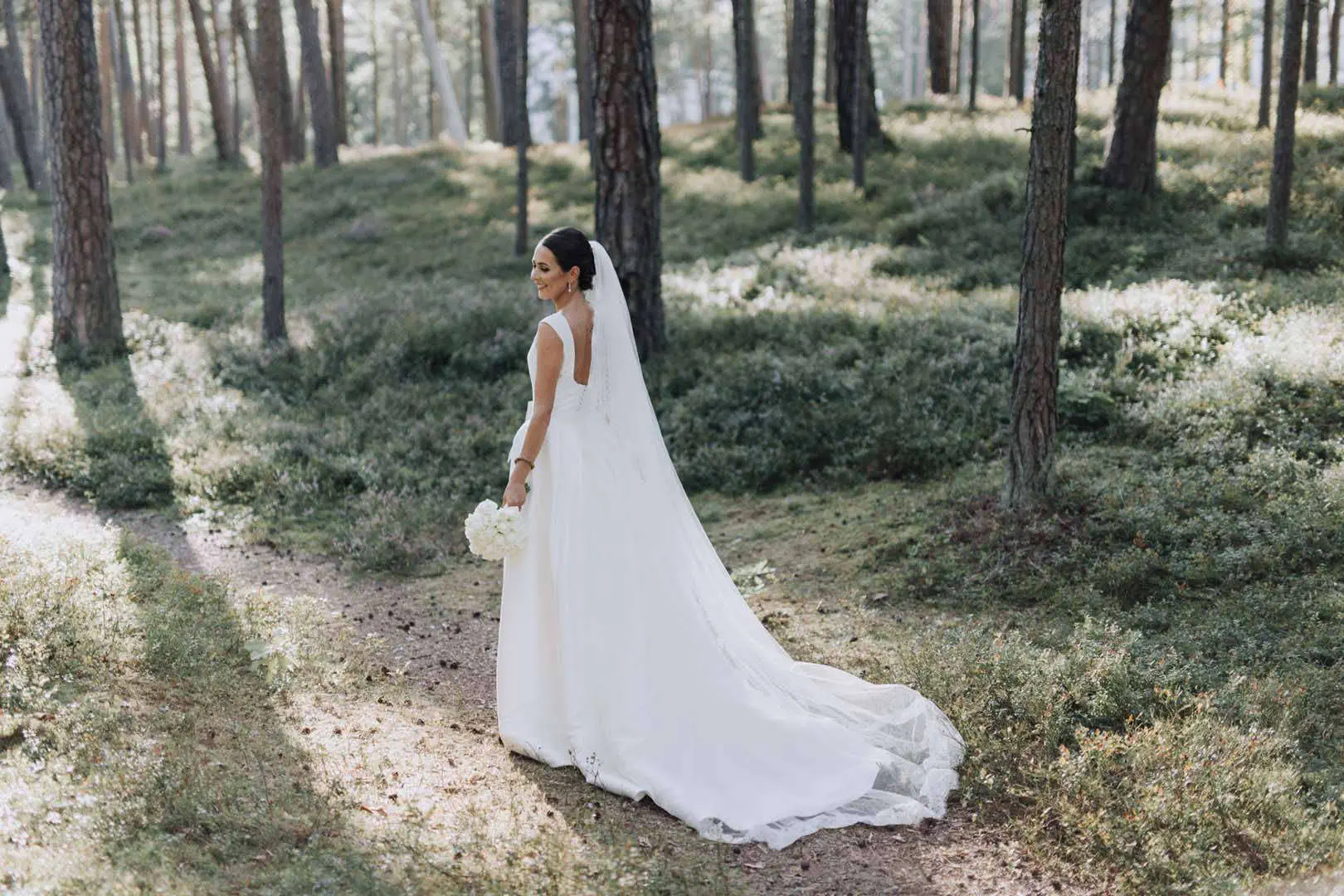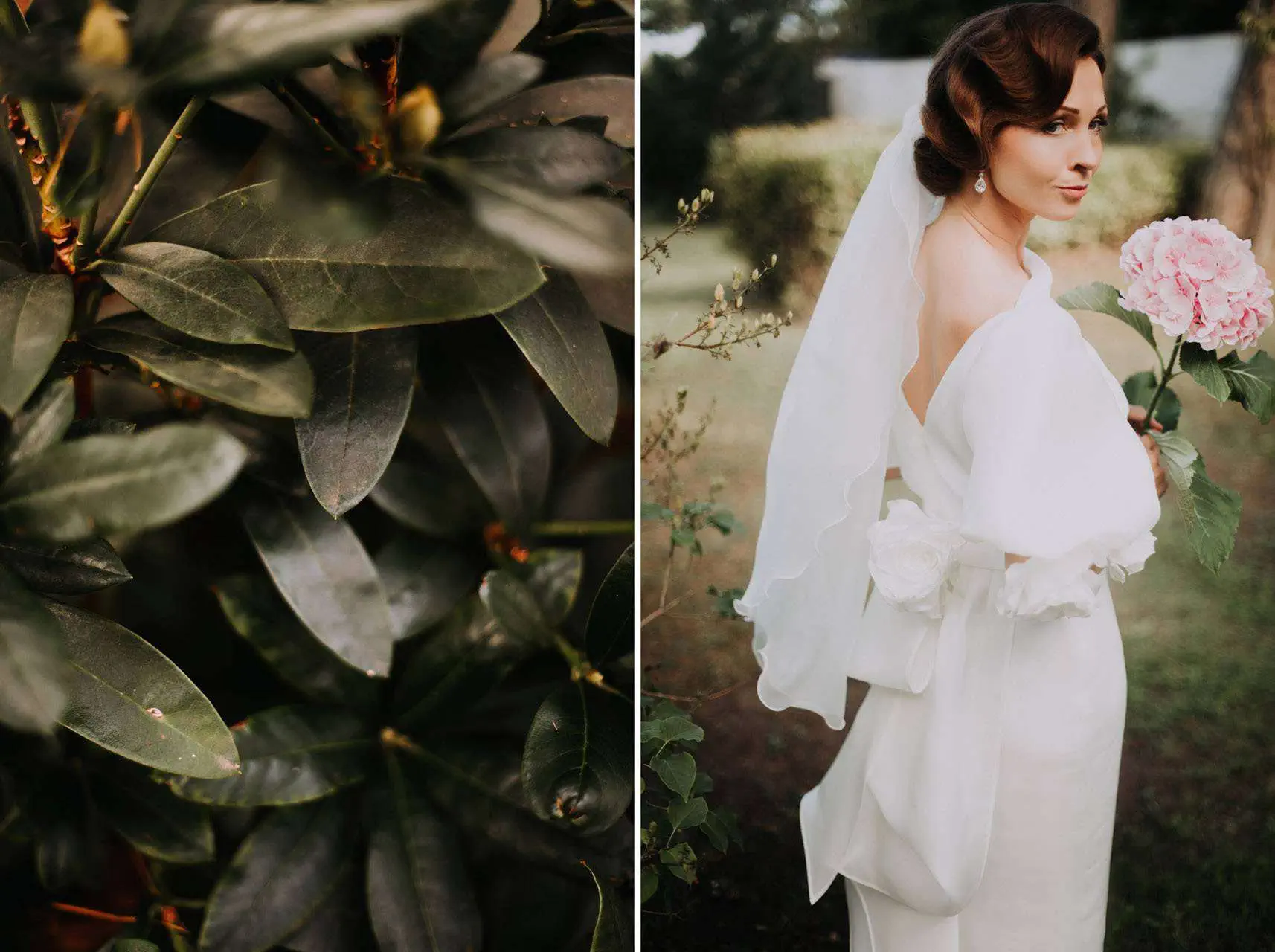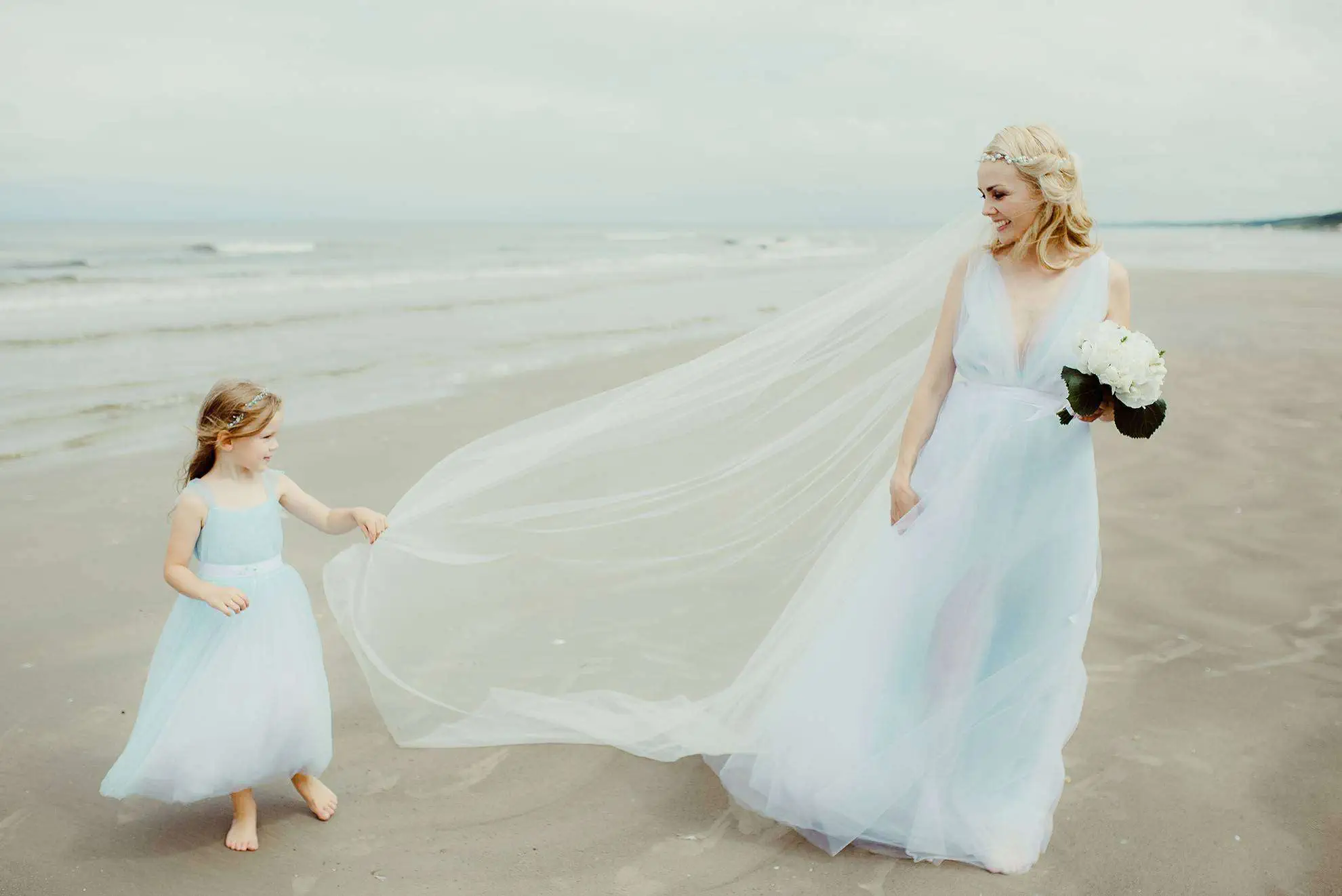
What does the bridal veil and the tradition of wearing it really symbolize? In the past, there was no bride without a veil imaginable. Although nowadays brides often replace the veil with other head ornaments or do without it completely, however, there are still women who dream not only of a wedding dress, but also of a veil.
Although the veil undoubtedly looks impressive and adds extra glamor to the overall image of the bride, it is not only beautiful accessory. A large number of brides do not know the symbolic meaning of putting on the veil. It turns out, also experts and historians differ on the history of this accessory, but most agree that it is its origins can be traced back to ancient Rome, where there was an opinion that the veil should cover not only the face of the bride, but everything body to protect her from evil spirits that would take away her happiness. However, in different cultures brides the veil has a different meaning.

Since in the past spouses usually met for the first time at the altar to conclude some kind of "deal", then it is also believed that the bride used the veil as a way to hide from the groom so that he could not see her face and in the event that he did not find the bride sympathetic, he would not break the agreement at the last moment.

Likewise, in many cultures, the veil symbolized (and still symbolizes) the virginity of its wearer and the fact that until the wedding has not entered into sexual relations. In many places, it is also believed that the moment when the groom lifts his brides veil from his face, there is a moment when he tells the whole world that from now on he will take care of this woman and he owns her to some degree.
But during the Victorian era, the veil became a status symbol whose length, weight and quality were demonstrated by brides origin.

What does the bridal veil symbolize in the 21st century? As in the past, many brides around the world still see the veil as a tradition that symbolizes innocence and chastity.

But there are many brides who do not see any deeper symbolic meaning in it, but see the veil as a beautiful wedding accessory. Although there are many brides who do not even consider putting on a veil and see it as one of the traditions that already outdated in a sense, representatives of the fashion and wedding industry around the world still recommend the idea of a veil don't quit betting right away.

It should be understood that this is probably the only time in life when the veil can be put on, so before abandoning this idea, it is recommended at least try on several variations of veils to make sure that this accessory is really not for you.
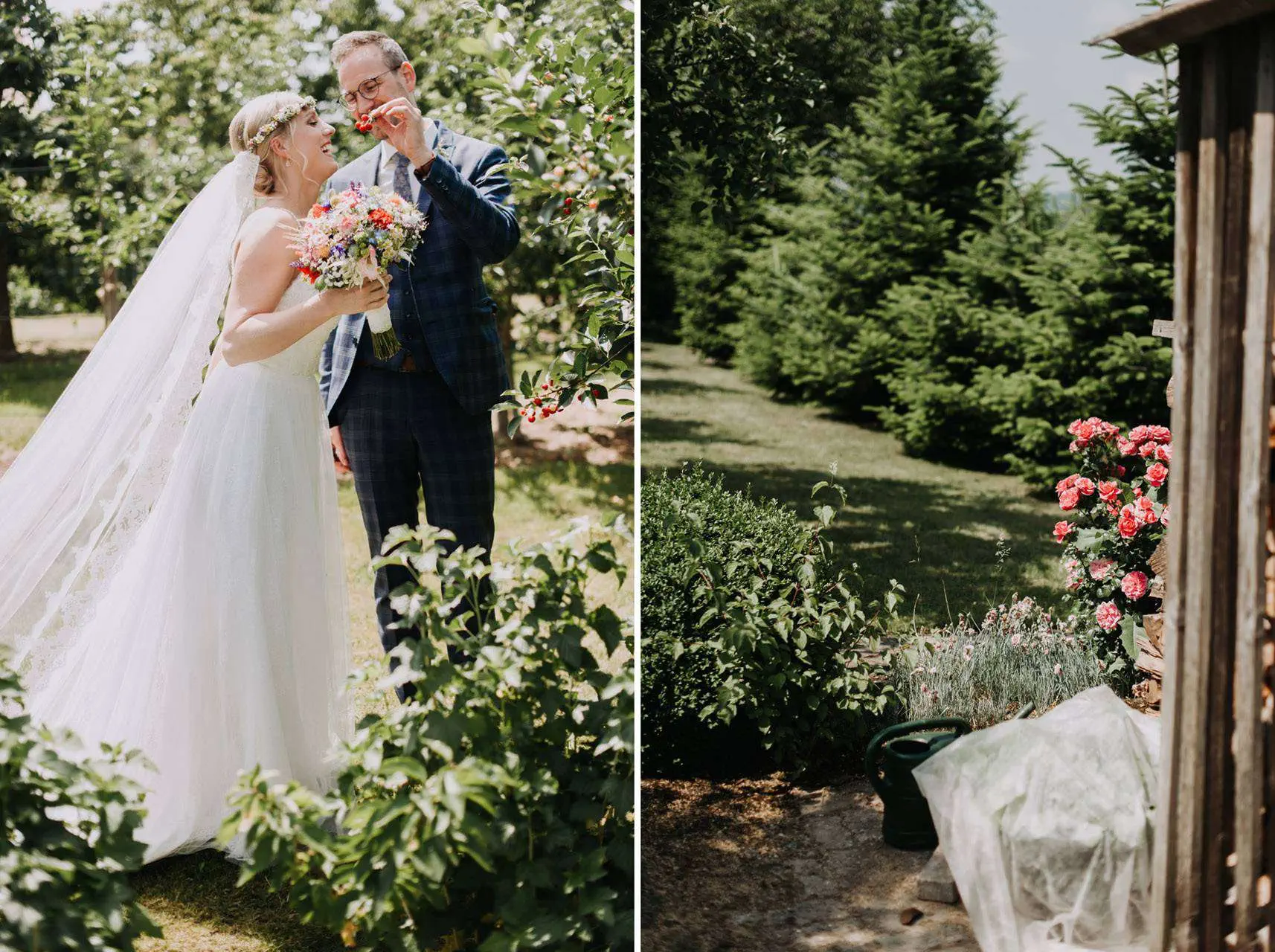
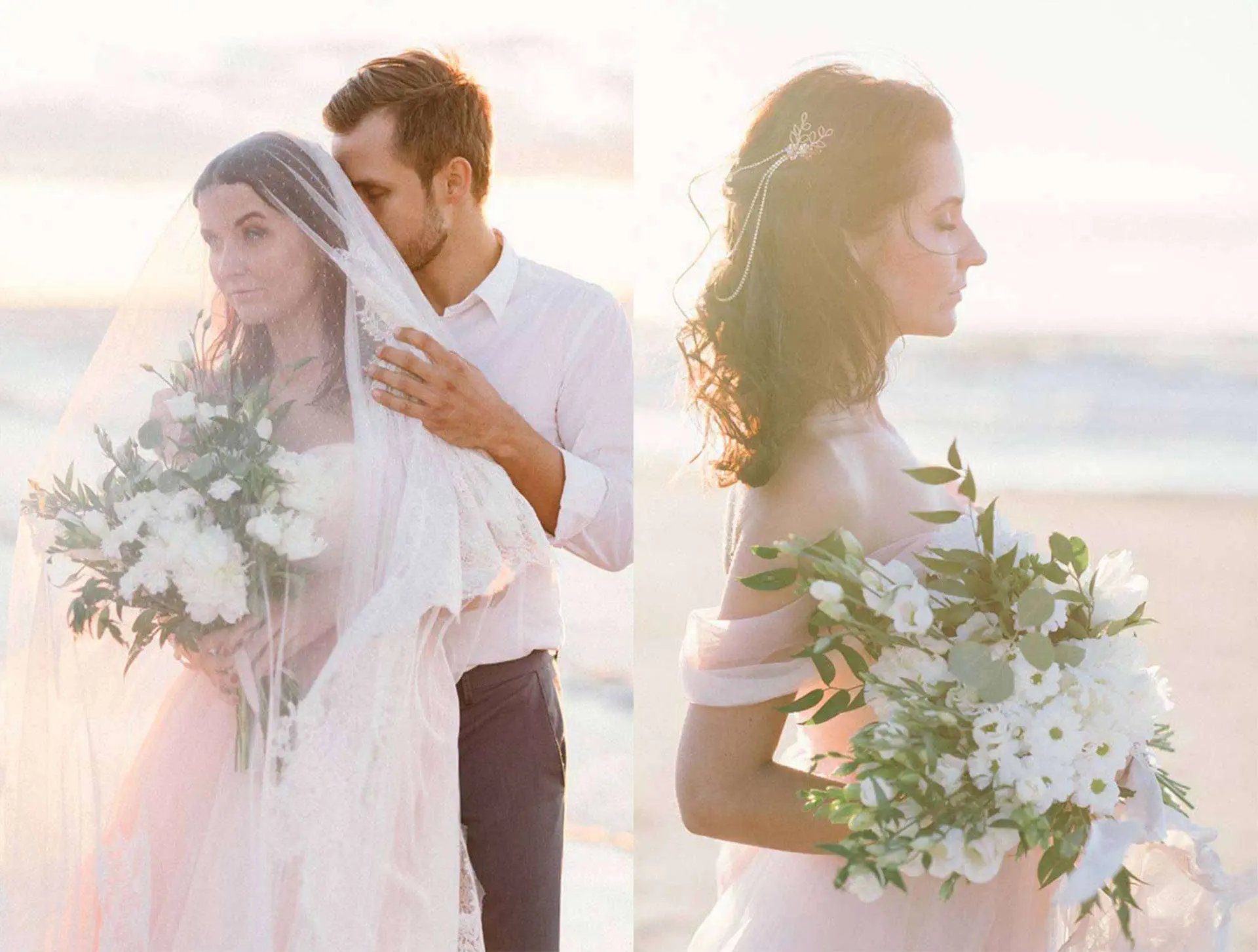
Those brides who still wear the veil state that one of its positive qualities is that it creates a kind of drama. Long veils add drama and elegance, while shorter veils add youthfulness and fun, so take your pick her veil, the bride must understand what mood she wants to create with it.


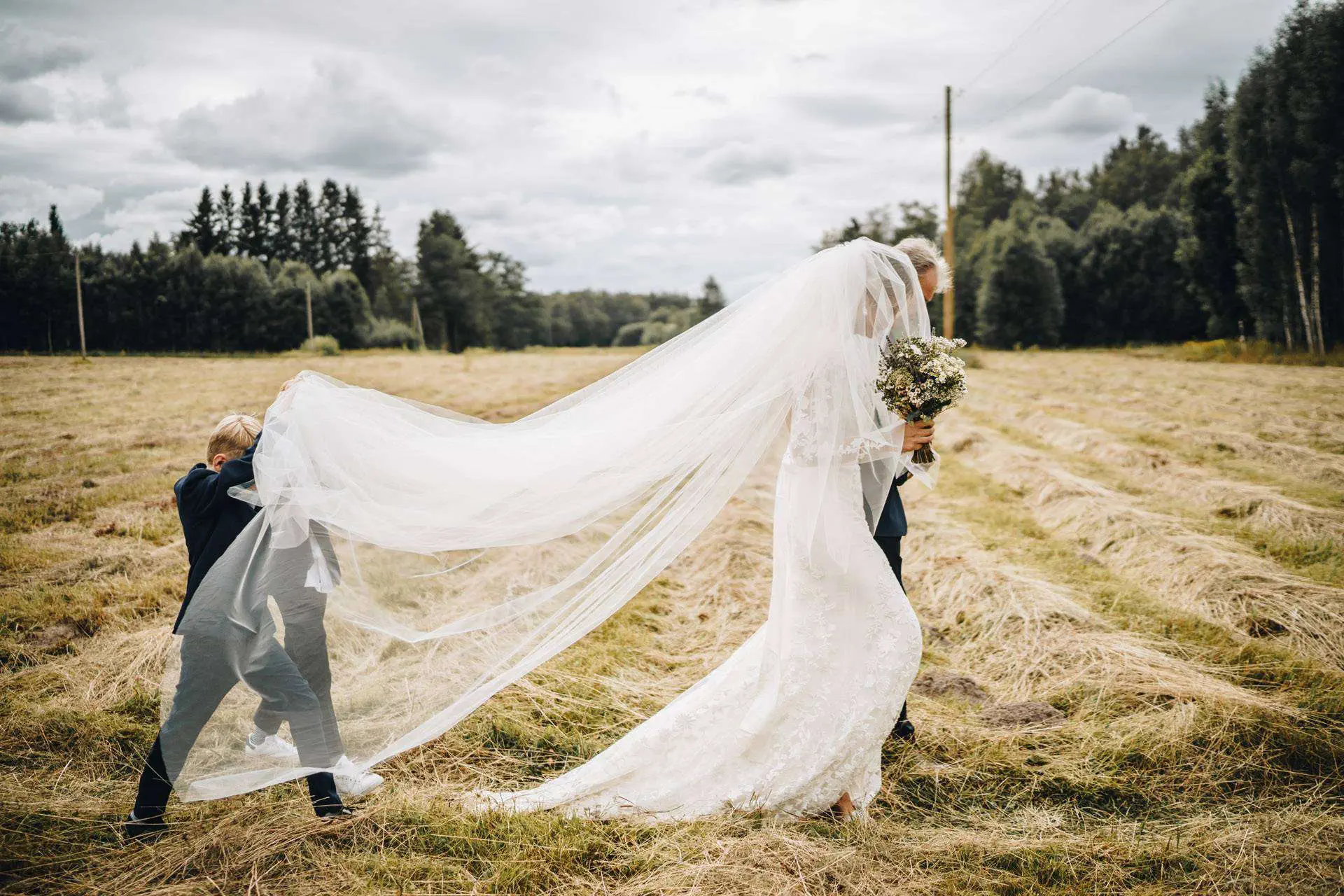
If the bride has chosen to wear a veil at the wedding, then one of the most important prerequisites is to understand that it should not doesn't have to look perfect. The veil adapts to the bride's gait and, so to speak, follows where the bride herself goes.

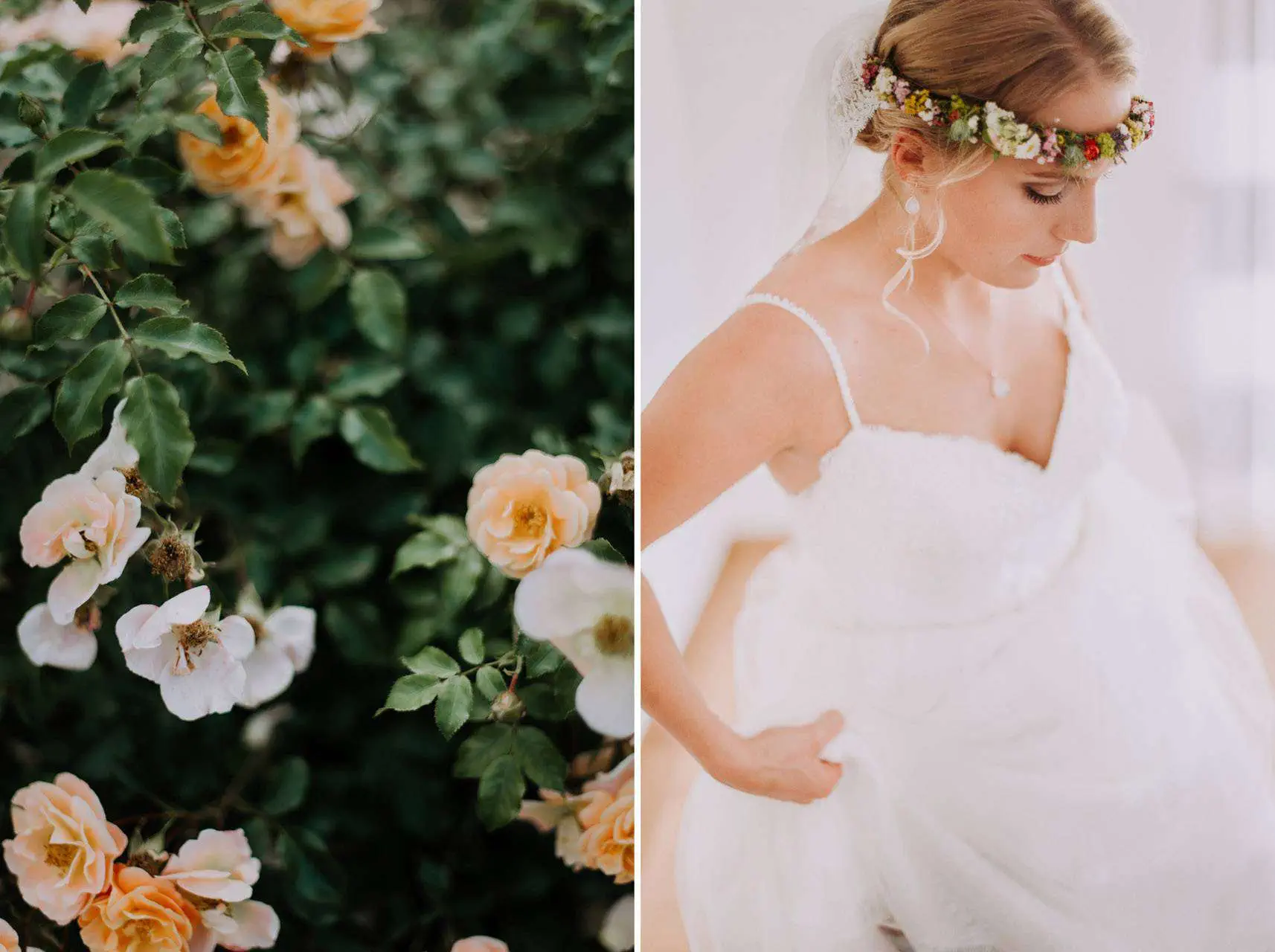
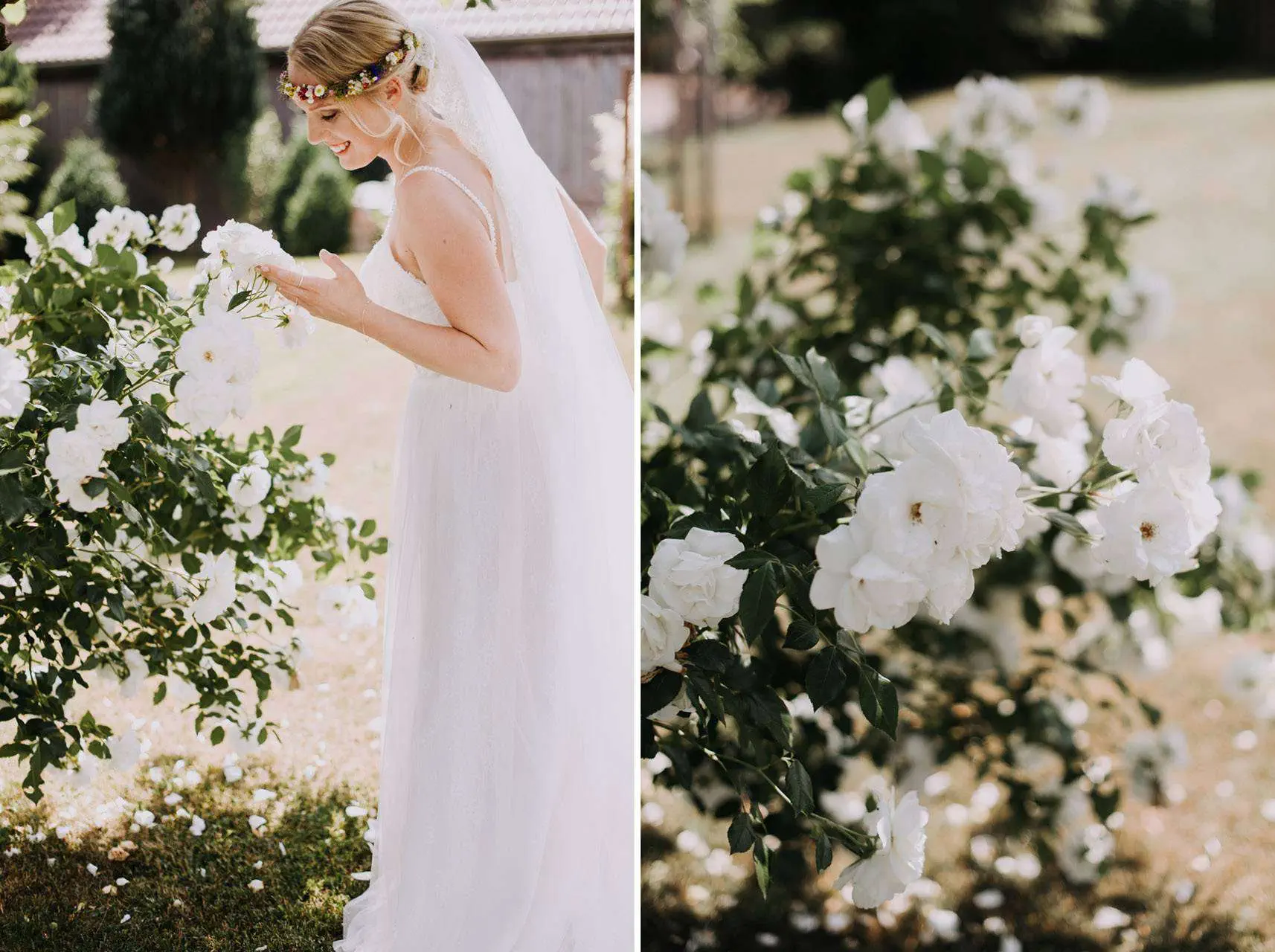
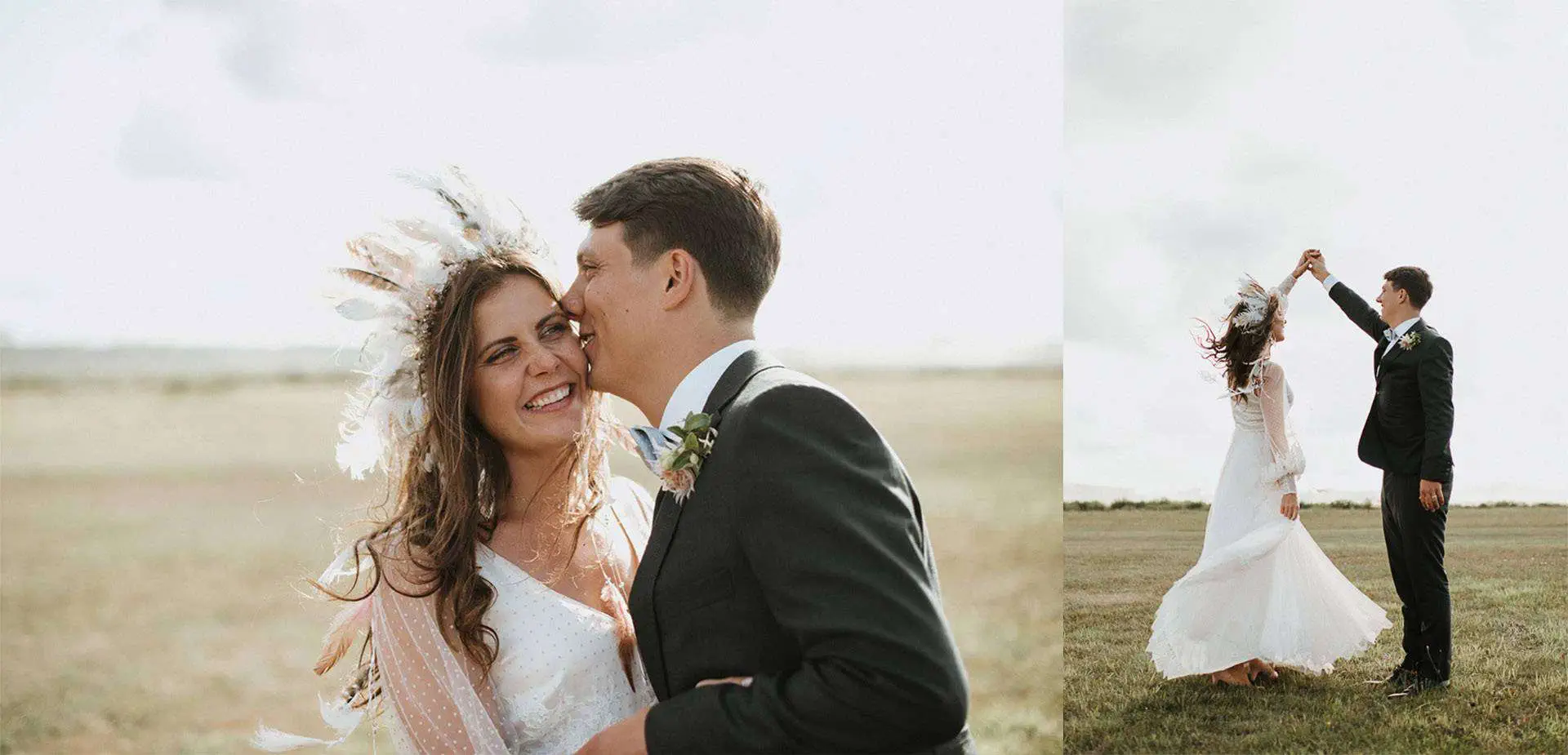
Nowadays, veils are also much more transformable than they used to be. If the bride wants a veil but does not want it to cover her face, then such a solution can be safely implemented, on the other hand, if you do not want a veil at all, but against head ornaments there are no objections, then the traditional veil can be replaced with different flower crowns or in recent wedding seasons for trending crystal and feather crowns.
As a veil, its alternative versions – crowns and wreaths will give the bride a unique and modern look.

PHOTO: AINARS MAZJĀNIS , ANDA UPMALE , GATIS LOČMELIS , ELİNA UPMANE , NAIRA KOSYAN , WAVE SLUKA , MICK SCHEL
Author of the article: LIENE PÄLĆA