MINIMALISM IN LIFE, INTERIOR AND FASHION: MYTHS AND TRUTH
The minimalist lifestyle enters everyday life more and more visibly. What is minimalism , what do we get from it and how
minimalism manifests itself in everyday life and practical choices, the best way to learn is to tell Laura and Andis
Arnicas / Seek the simple .
Minimalism is not giving up absolutely everything
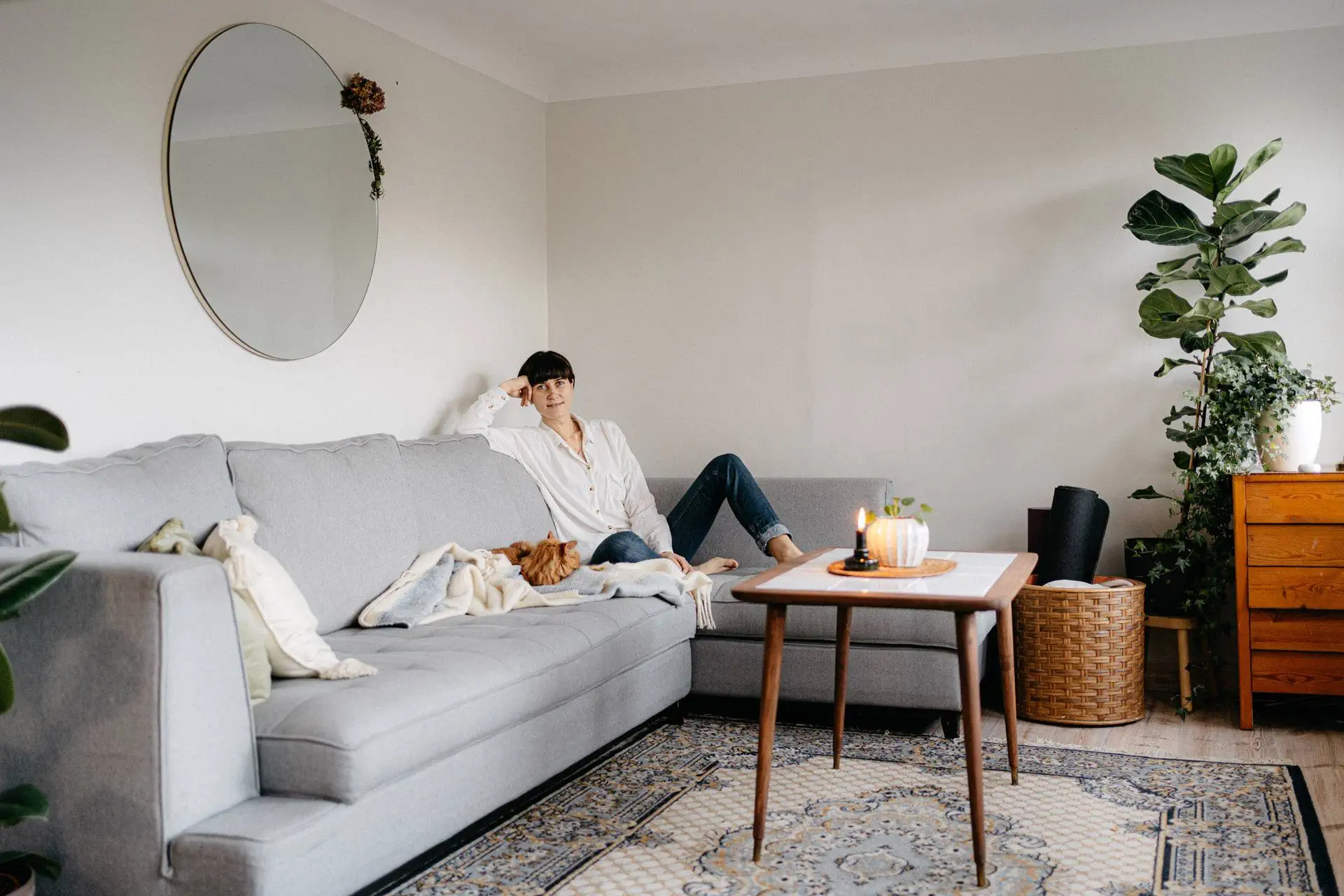
Laura Arnicāne/ Seek the simple writes on her Instagram account:
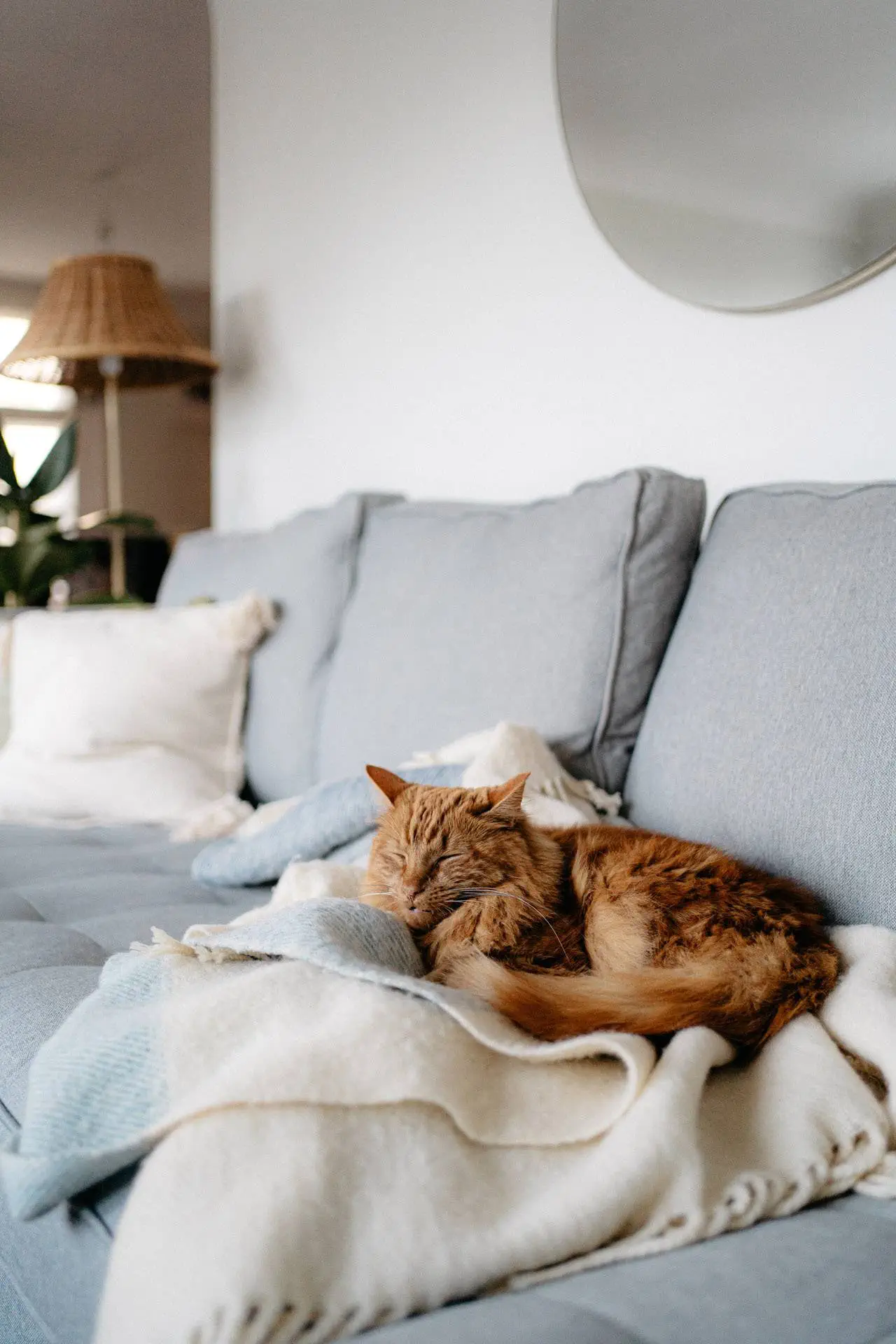
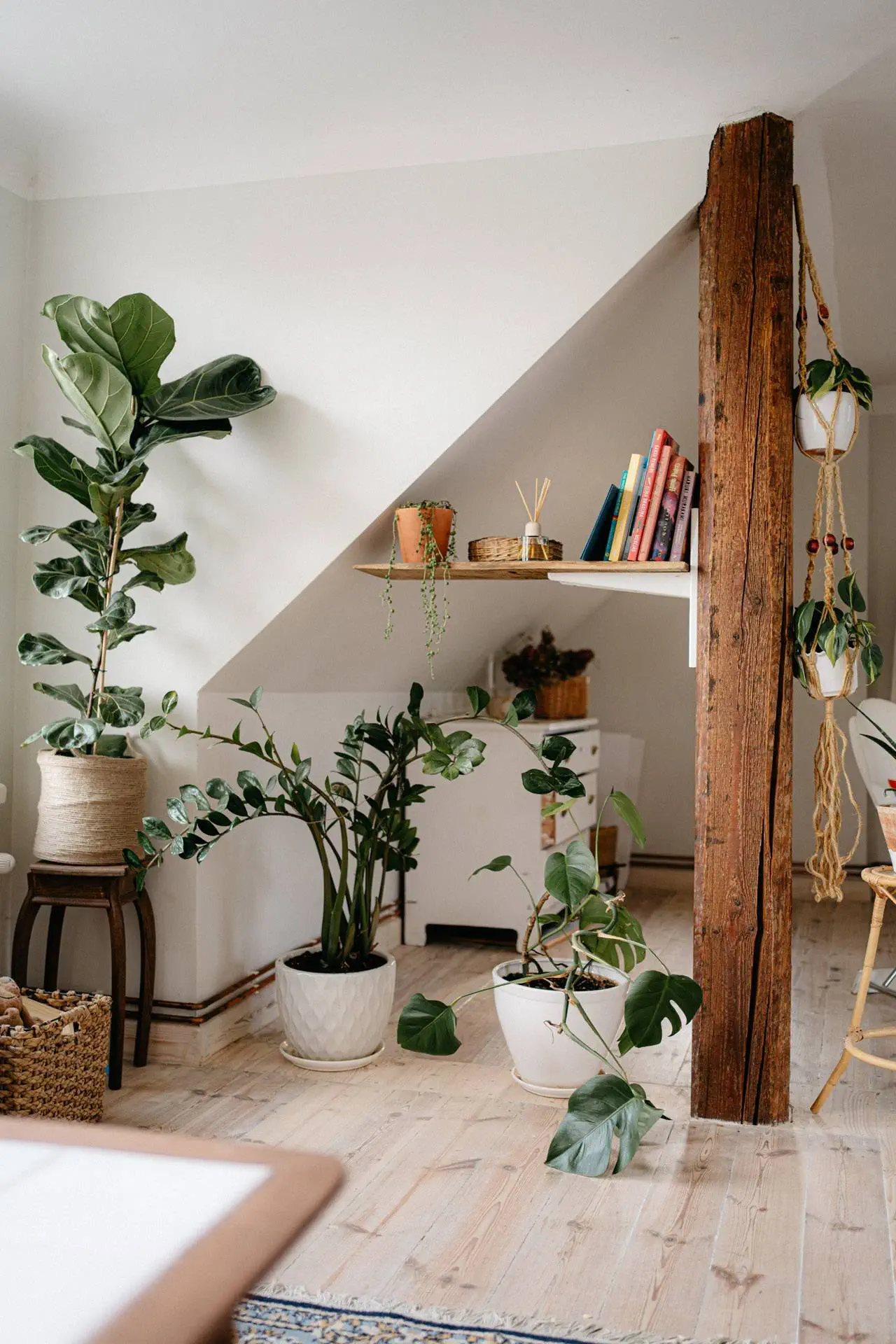
"Minimalism can come in all shapes and forms. We used to live in a practically empty room that looked like
no one lives. Now we live in a fuller space with a lot more decorative elements, and we feel very good.
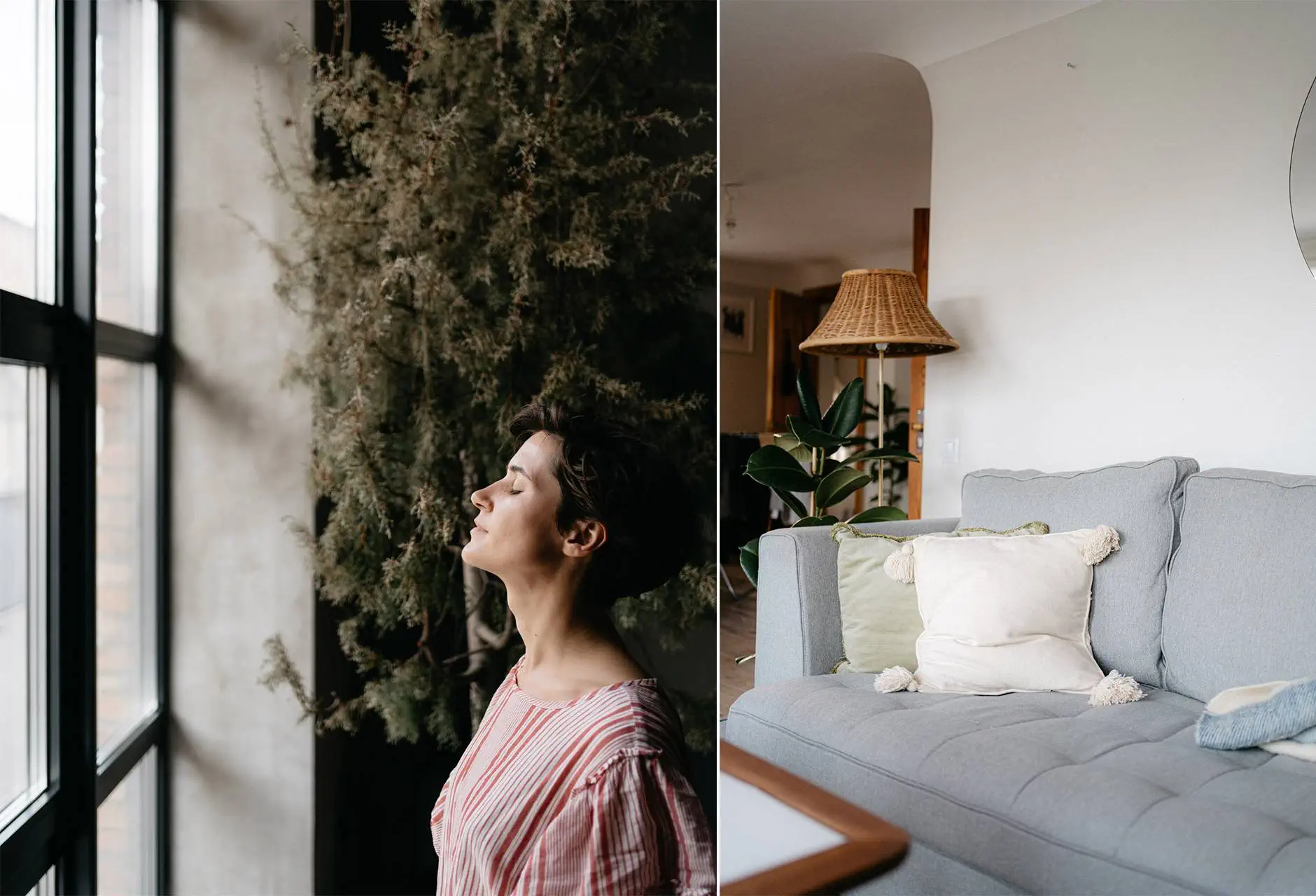
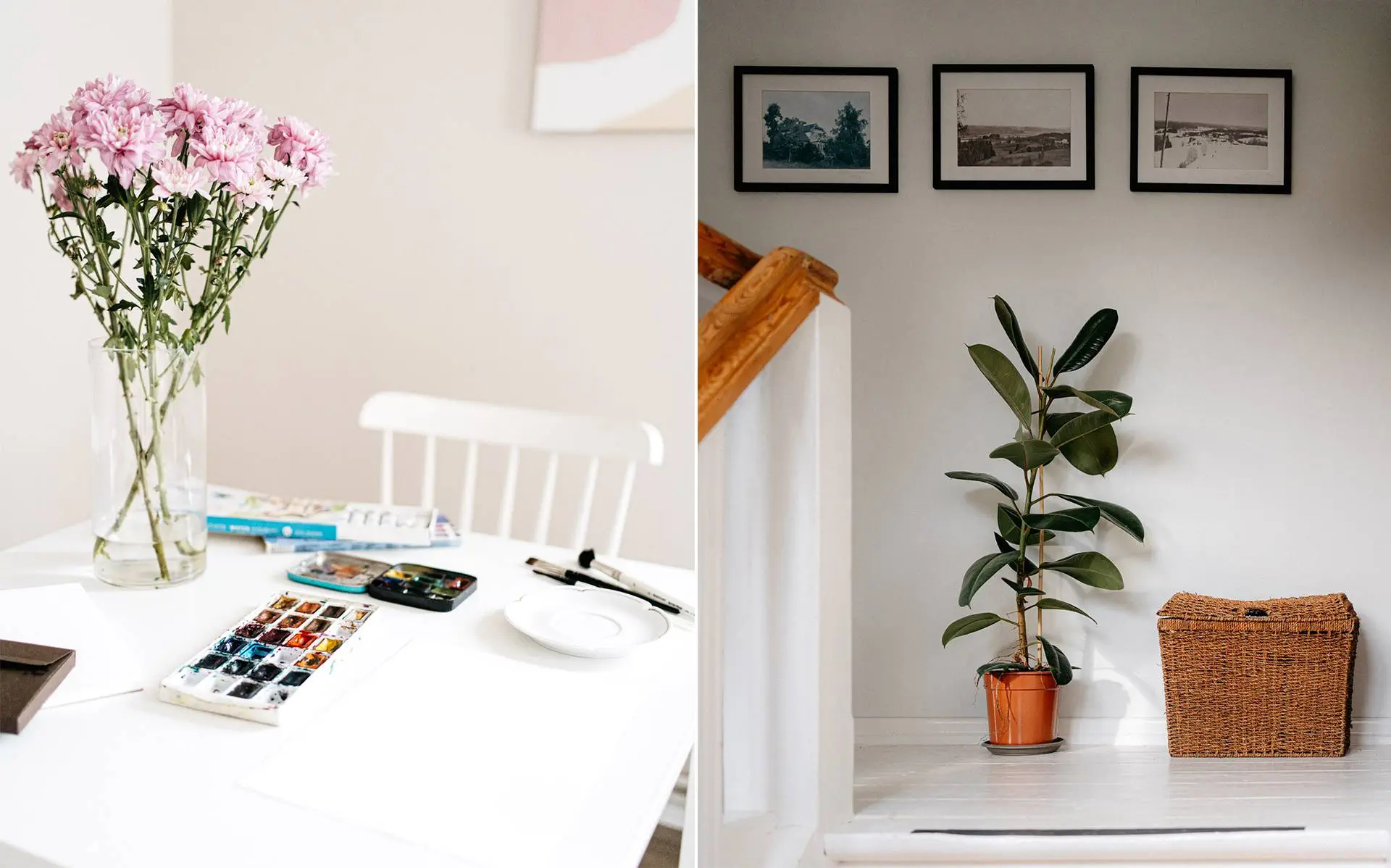
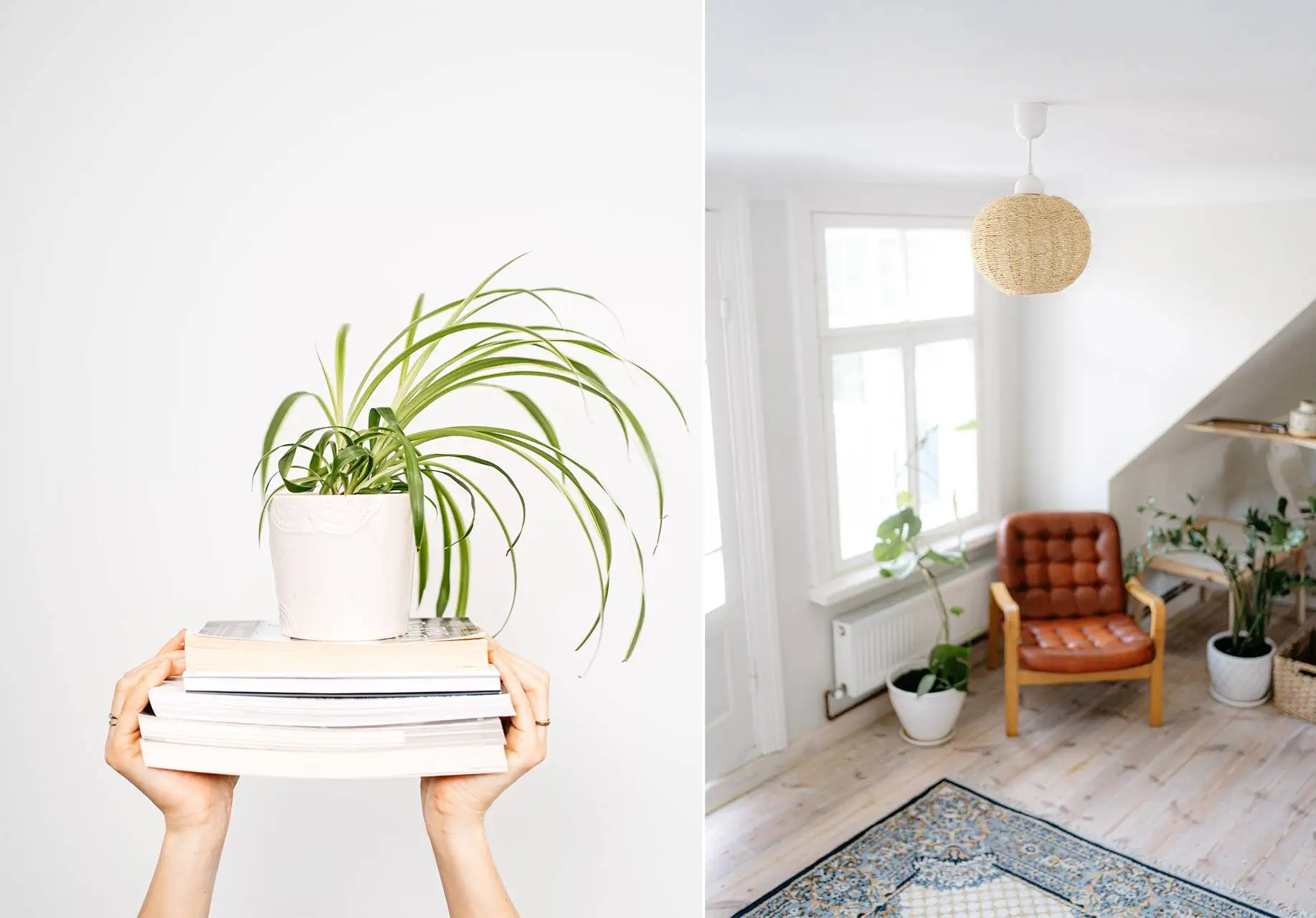
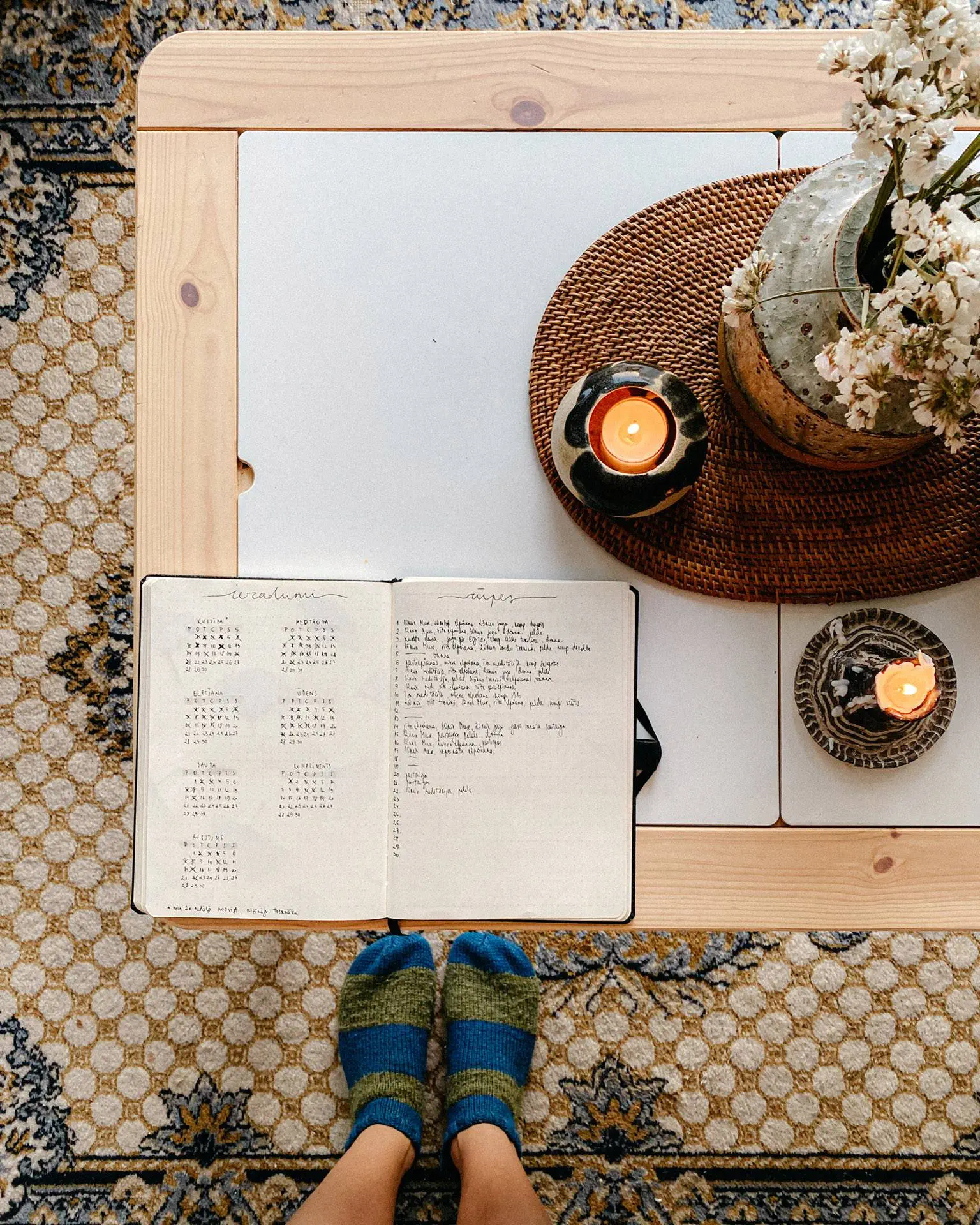
Now we have a rug and throw pillows, art on the walls and a beautiful flower pot with a wild flower. Me
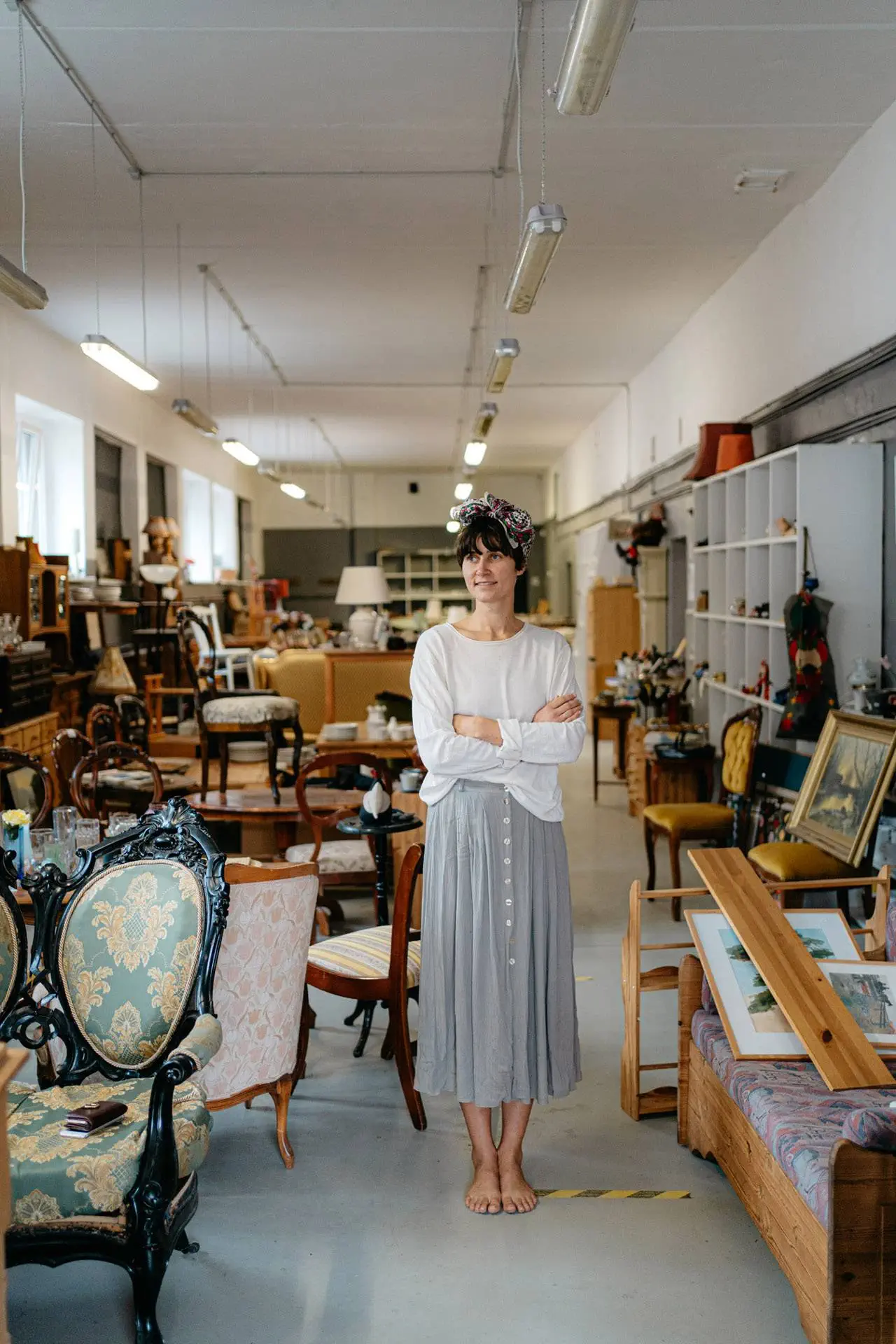
I'm slowly replacing the impersonal ikea dishes with some special ones that I find in humpalini, and I'm not afraid to drill something into the wall
hole to attach new artwork. We still like brightness, clean rooms, everything in its place, but
now I definitely feel ourselves in the room.
Minimalism does not mean that everything is boring, white and there is nothing to draw your eye to
(although it certainly can be!). Minimalism means that there is nothing superfluous in your space, and we all have it
the opportunity to choose what is unnecessary for me and what is definitely not."
Photo: ANDIS ARNICANS / SEEK THE SIMPLE
Myths about minimalism. How is it really?
MYTH #1: Minimalists throw away their whole life
Minimalists regularly audit and really give up a lot of things at home, but it's not like we throw everything away. We
we give time and space for sorting things, and we look for opportunities to "talk" with each item to understand
does it still have a place in our house. Basically, the rules are simple - things must be sweet and special, you must really like them,
they must circulate ( so use ) and they must work. You will be surprised how many things actually
do not pass this control. We're not throwing out ALL of our lives, we're just letting go of what we think has become
redundant. We don't leave the n-th kitchen pots, the jeans we'll wear when we lose how many kilograms, and the drill,
who does not work.
Photo: ANDIS ARNICANS / SEEK THE SIMPLE
MYTH #2: Minimalists don't buy anything new
Minimalists probably rarely make spontaneous purchases, but save money and buy a good blender that will last a long time
years, there is nothing wrong or illegal. It is characteristic of minimalists to buy only what is really necessary and
will last a long time, so we probably wouldn't buy the fifteenth pair of shoes that look exactly like ten others.
Minimalists would look for ways to sell those fourteen shoes and buy two instead. Exactly what they are
like, need and meet their quality criteria.
Minimalism can certainly help you become more frugal, but saving is not the main goal of minimalism. Thrifty is someone who
who make their choices only to save money, but a minimalist will think more about their resources and space when buying
new thing. We don't care where our money goes. To make money, we spend our time and energy. If
money can be earned, spent and earned again, but with time and energy, it's not really like that. When we buy a new thing,
we focus more on how this new thing makes us feel than on spending money. If we see it
in your everyday life, then - let it happen!
Photo: ANDIS ARNICANS / SEEK THE SIMPLE
MYTH #4: Minimalism Makes You Boring
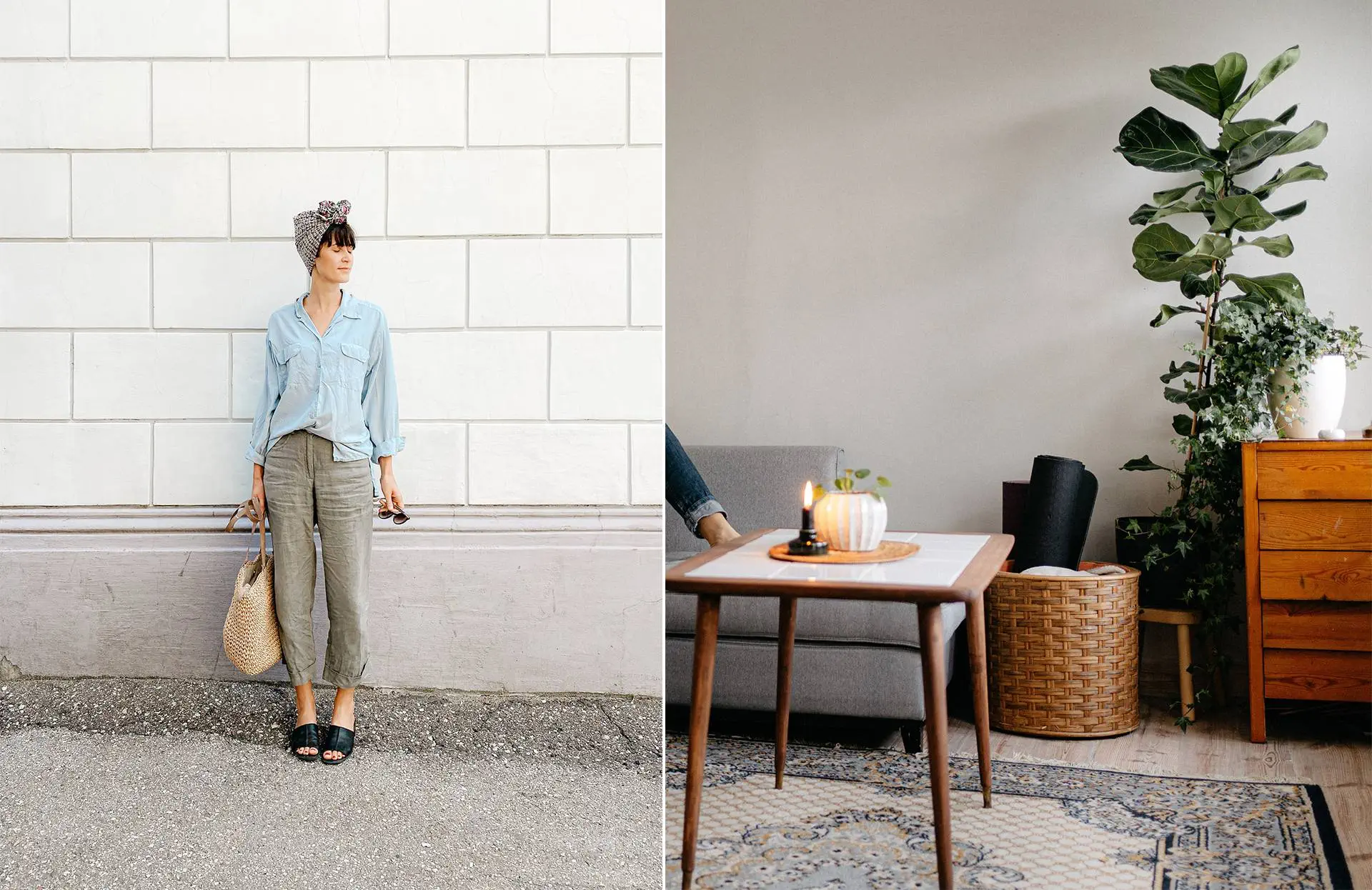
Minimalism is often associated with uniform clothing, white walls and boring Scandinavian-style furniture. For ourselves
bright rooms with a minimum amount of simple furniture are very pleasing, but minimalism does not have to be like that.
Minimalism can be bright and colorful, and very designer , only important that there is nothing superfluous in the room. Redundant
for your own taste and choice, not for the eyes of others. If you are energized by red walls and a Mexican carpet, then so be it
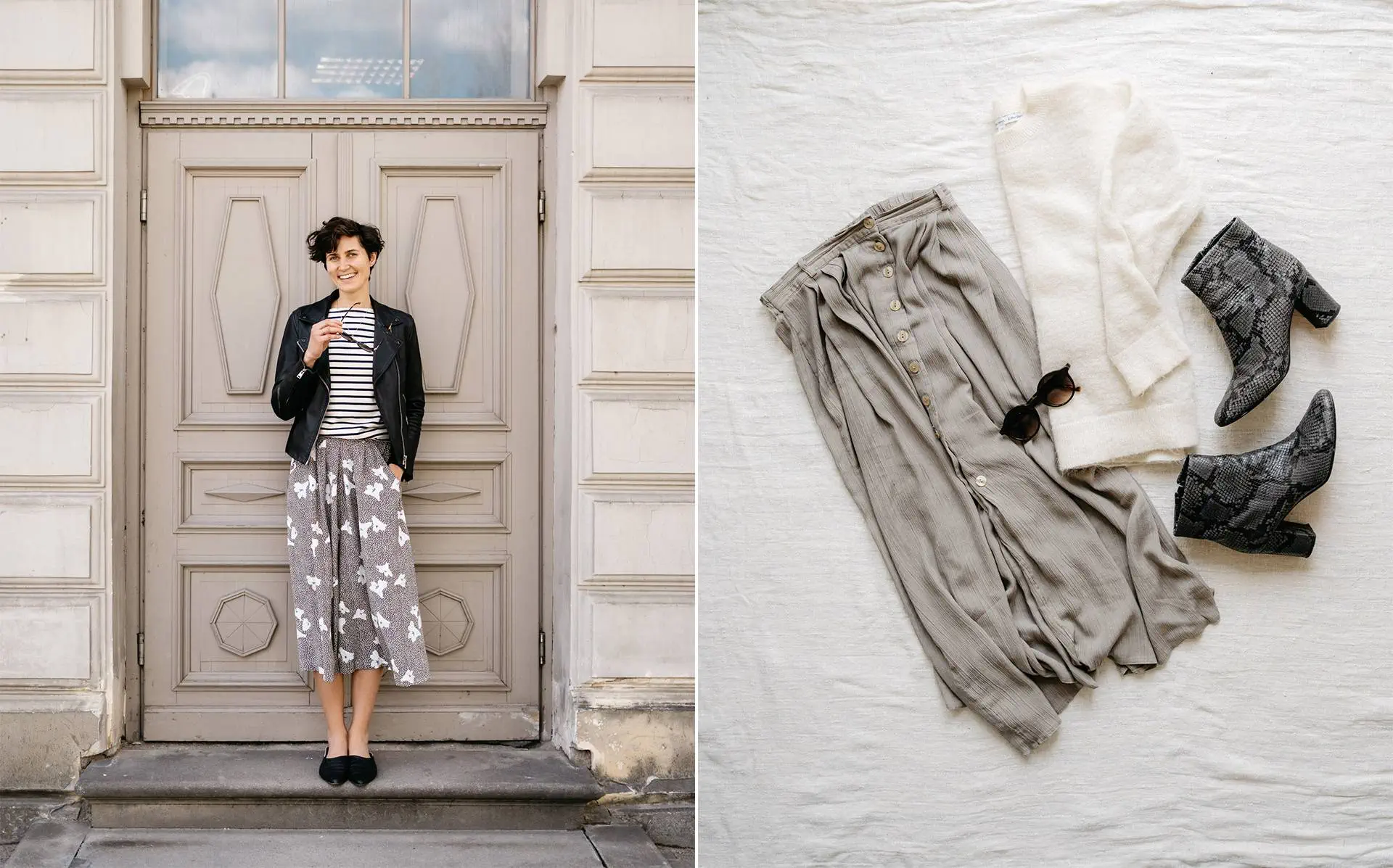
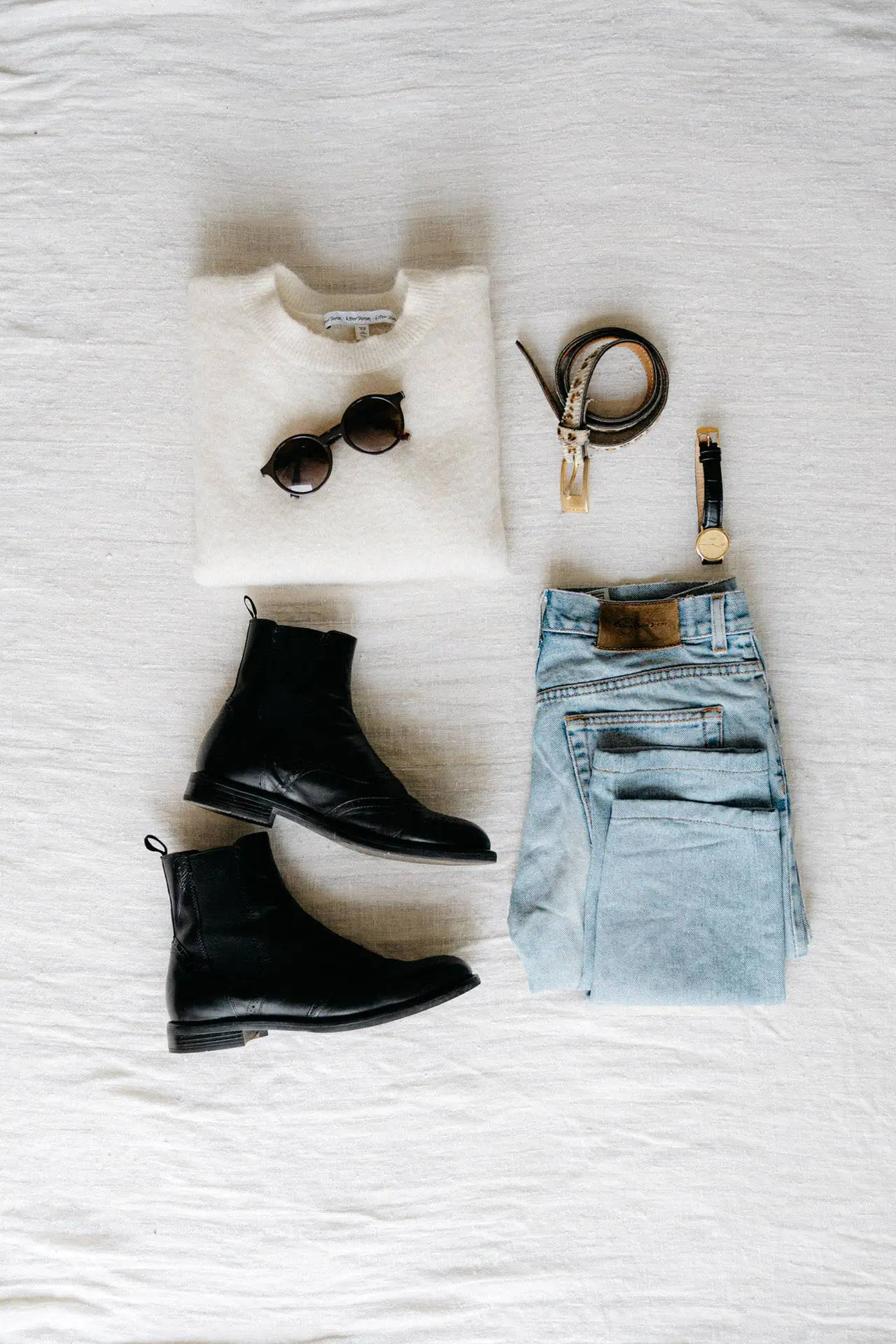
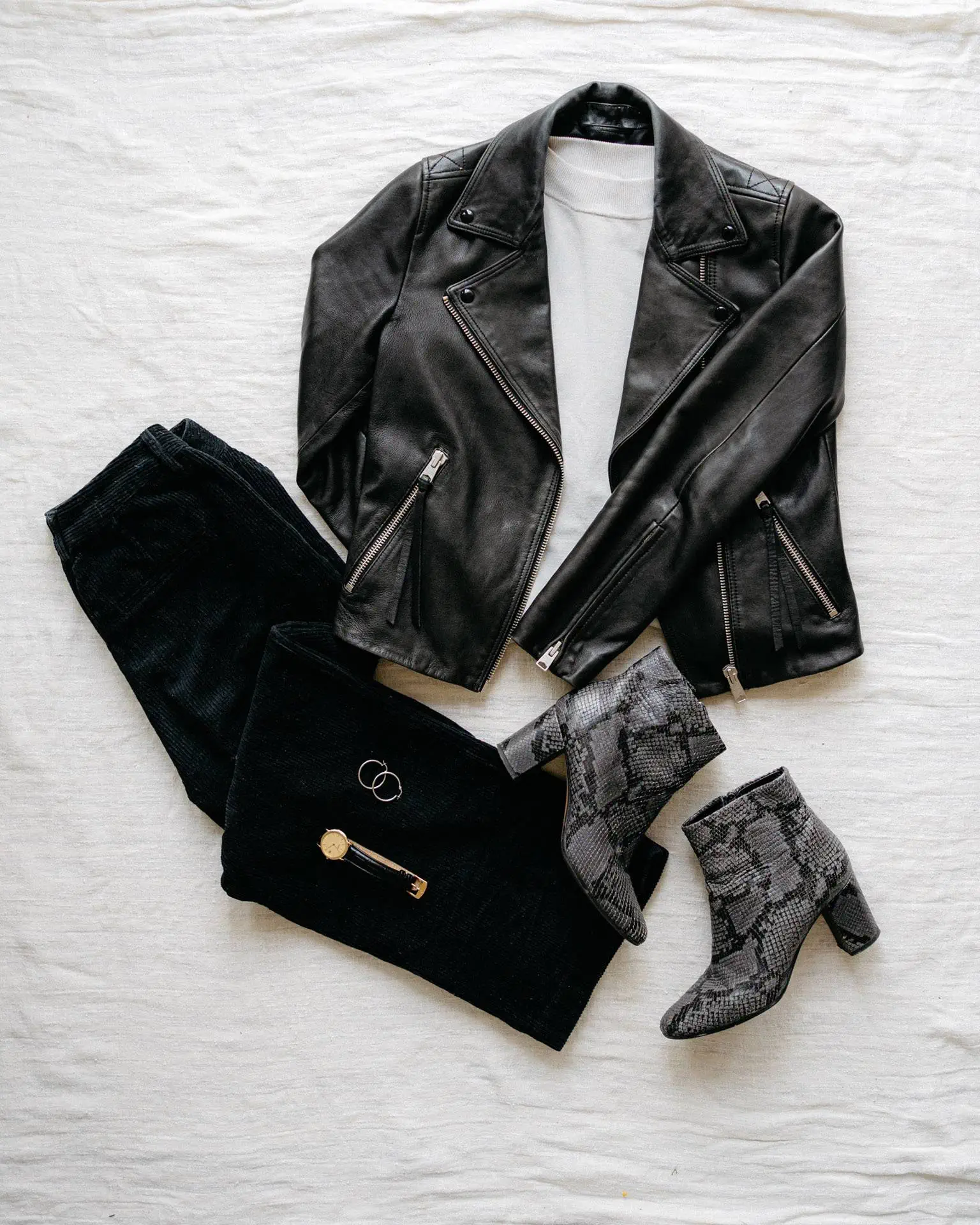
happening! The same applies to clothes - your wardrobe does not have to consist of light blue jeans, white boots and leather
jackets ( although I really like it ). Your closet can also be filled with colors, patterns and
interesting cuts, you just have to see that these clothes are actually used and bring great joy. Pretty much
simply.
MYTH #5: Minimalists can't have hobbies or collections
If a large wall-sized cabinet filled with books makes you happy, then there is a place for one in your home. If you like
to paint, then brushes, paints and turpentine have a place in your home. Minimalism does not prevent you from doing hobbies and
collect things. I'm learning not to buy everything I want in the store, I'm buying the foundation itself and learning to live with it.
And only when I realize that something is missing, I look for it.
The main thing is not to get confused with a hundred and one hobbies that are waiting for better times
And for books that haven't been opened for five years. Then it is worth considering whether the hobby at home is waiting for its own
appearance or has already finished it.
Photo: ANDIS ARNICANS / SEEK THE SIMPLE
Less really is more
Things really remain less, money is also spent less, there is less desire to argue and share things. But you can go for minimalism
look at it from the other side - how do I have more? Spending less money on trifles and whims of the moment shows us
more opportunities to invest money in more expensive, higher quality items. By walking around the shops less, we do a lot more
we spend time together as a family and ride in nature much more.
Thinking less about what we need or might need to buy, we read more books, meet with friends. We
we really believe ( and feel ) that minimalism has given us much more. More fun, more experiences,
more peace, nature, movement and meditation. We have more time together, more air space and more order and
cleanliness. We have fewer possessions, yes, but we really have much, much more ( to us ) more important elements in life.
Authors of the article: SEEK THE SIMPLE /seekthesimple.com & IEVA KRASTIņA
This website uses cookies to improve the user experience and optimize its performance. By continuing to use this website, you agree to the use of cookies on this website.
Read more

 share
share