A promise of love. The different aspects of marriage
When thinking about a wedding, the solemn ceremony , flowers, congratulations, tears of joy and an unforgettable party come to mind. However, the wedding celebration is only the visible part, the icing on the cake. The decision to get married involves several aspects, such as emotional and legal , as well as cultural nuances. All of this is worth considering in order to clearly understand and define exactly what this decision means for you as a couple. Emotional and rational aspects of marriage
Fortunately, we live in a time where the decision to get married is made mainly based on the romantic feelings that bind two people. Of course, one could argue that it might not be wise to make a decision based on feelings alone, since feelings tend to be fickle and transient. However, marriage is more than that, because while the decision to get married necessarily involves the feelings of the moment, it must also be taken into account that they will inevitably transform, and the couple must commit to navigating these changes together in a way that strengthens and deepens their relationship.
The rational side of marriage includes decisions such as sharing one's financial resources and material goods. Although spouses often strive to maintain their own constancy in this respect, marriage nevertheless includes not only unconditional emotional support, but also practical support in moments when it is needed. It is not something to be earned and one should not feel superior and dependent on the other, if at certain moments one has to provide and the other has to rely on. these are all nuances that should be discussed openly and to know the other's position and expectations, so that at some stage practical issues do not suppress romantic feelings and start to undermine the emotional connection.
Photo: MIKE SCHEL
Legal force of marriage
When getting married, a couple enters into not only an emotional, but also a legal union and gains a new status in society. Likewise, if a wedding takes place in a church, it is a religious ritual with its own meaning and nuances, depending on the couple's adopted denomination. However, especially at the maturity of the relationship, in which it is so full and strong that the decision to marry is made, all legal and status aspects may seem secondary, because at that time marriage is primarily a symbol of eternal love for the couple . It may not seem very romantic, but it is worth looking into what legal ties and rules marriage imposes, and perhaps there are, for example, financial or property issues, which each must separately arrange or inform the future wife or husband about.
Photo: MIKE SCHEL
Marriage promise
The promise of marriage also comes with an ethical aspect and a commitment to observe certain morals or ethical principles. these norms vary depending on the belief system in society, but in broad terms they are relatively universal. Moral norms include the cultivation of various values and the pursuit of happiness and all that is good. In married life, the observance of all moral principles related to respect, trust, honesty and responsibility towards the other person is especially important. One aspect of a happy marriage is the desire to become a better person. Relationships should be that safe environment where there is mutual understanding and support, where you can cultivate your own personality and help the other grow as well.
Photo: MIKE SCHEL
Marriage rituals
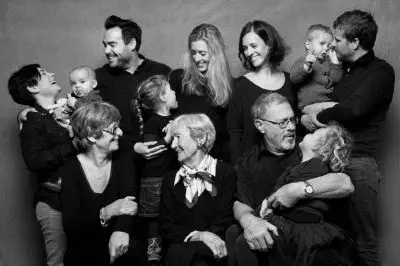
Wedding ceremony is that long-cherished and long-awaited moment when a solemn promise is made to love, respect, be next to and support each other until the end of life. this solemn moment is special not only for the couple, but also for the family, because it connects not only lives, but also two families and marks the succession of generations. The manner in which this promise is made, and the traditions that surround it, are many and varied, different in every culture and society. Wedding traditions are not something set in stone and unchangeable, they undergo transformations and are alive only when there are people who understand and take care of them. The good news is that traditions do not necessarily have to be followed and it is possible to change them or even introduce new ones.
In order for the wedding to be truly true and authentic, it is worth thinking more carefully about your connection with your native culture, the surrounding society and your roots, to understand what you have the closest connection with and what resonates the most. Accordingly, one can decide which rites seem most essential and will give the deepest strength to your union.
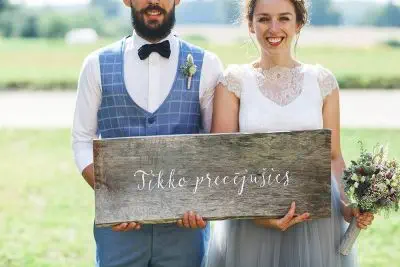
Nowadays, it is not uncommon to hold non-traditional weddings . The marriage ceremony can take place in a variety of formats. Of course, you can choose the venue and style according to your taste and vision, but you can look at the wedding day from another point of view - it is the day when you manifest your future life together. Sometimes couples focus so much on the wedding celebration and the party, planning everything down to the last detail, leaving in the background what will really follow after that.
The wedding and honeymoon end, at some point the euphoria also passes and everyday life begins. In order not to have an emotional fall after the wedding, when preparing for it, you should not forget about the common future that awaits and for which this event is held in the first place. Setting joint goals for the future and specifying what you want to experience and achieve together, what you aspire to, can give an additional dimension to the wedding and turn it into a beautiful and promising first chapter in the future story. After all, it's an event that represents you as a couple and sets the tone for everything you'll experience together.
This website uses cookies to improve the user experience and optimize its performance. By continuing to use this website, you agree to the use of cookies on this website.
Read more

 share
share


.webp)
.webp)
.webp)
.webp)
.webp)