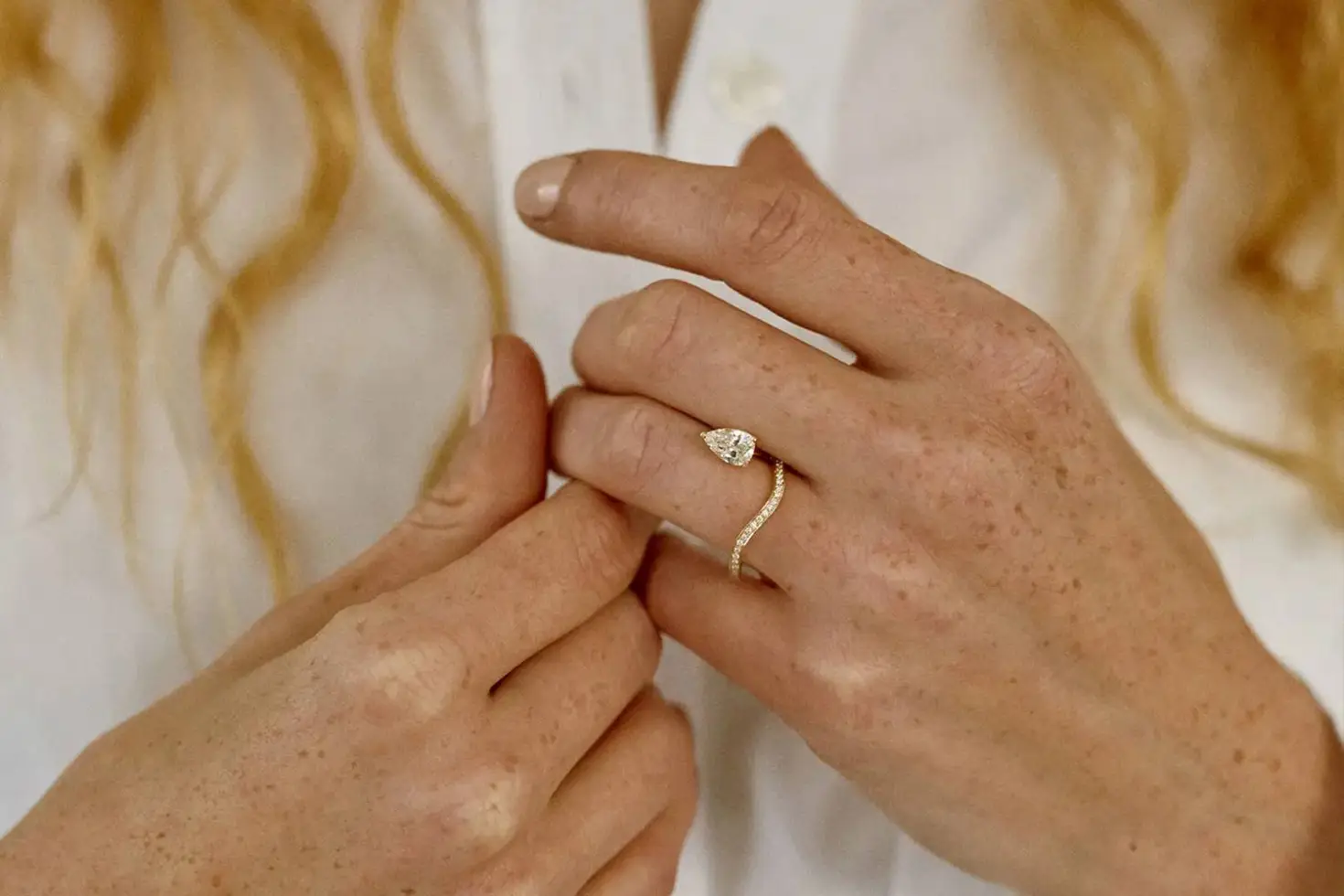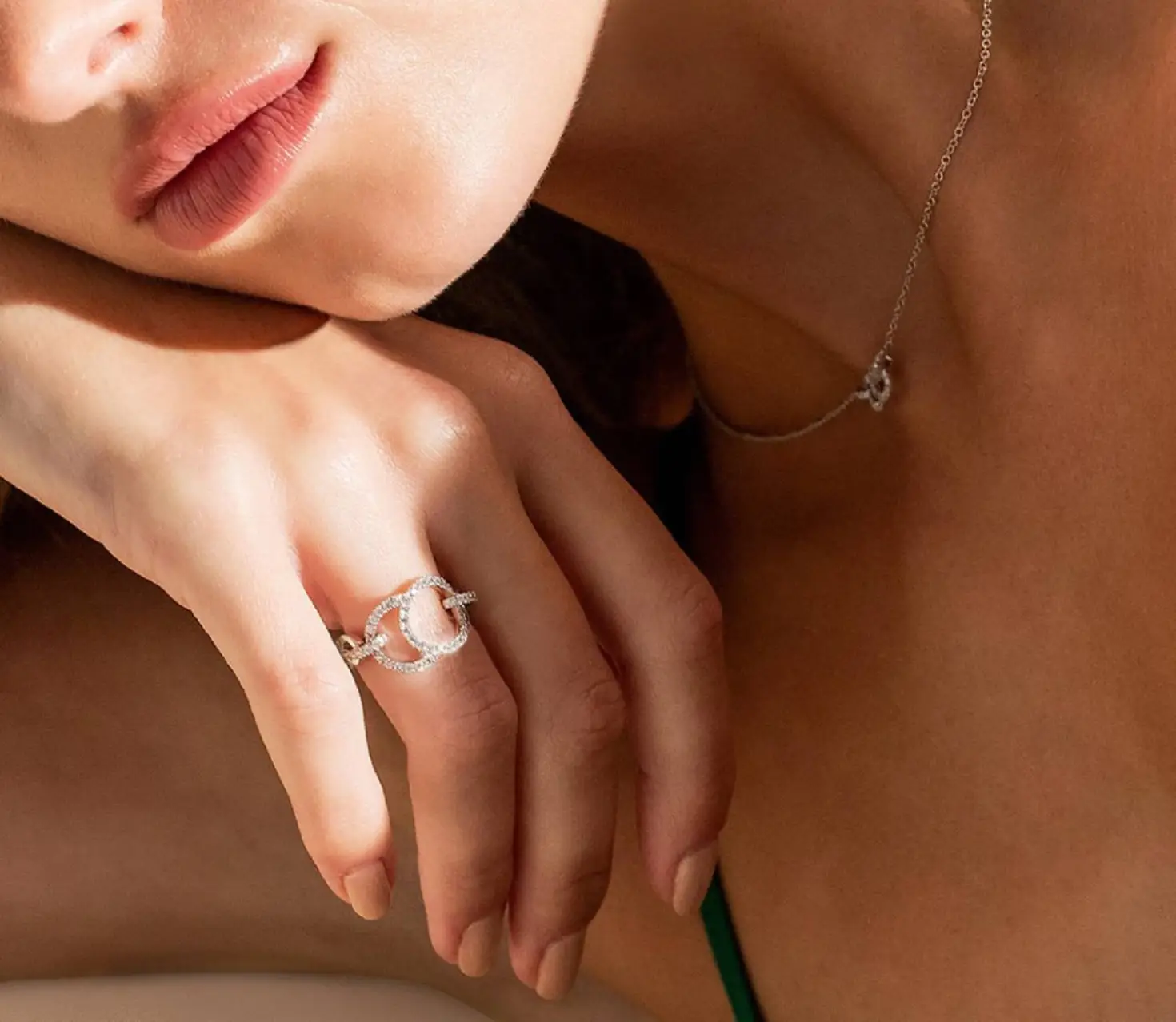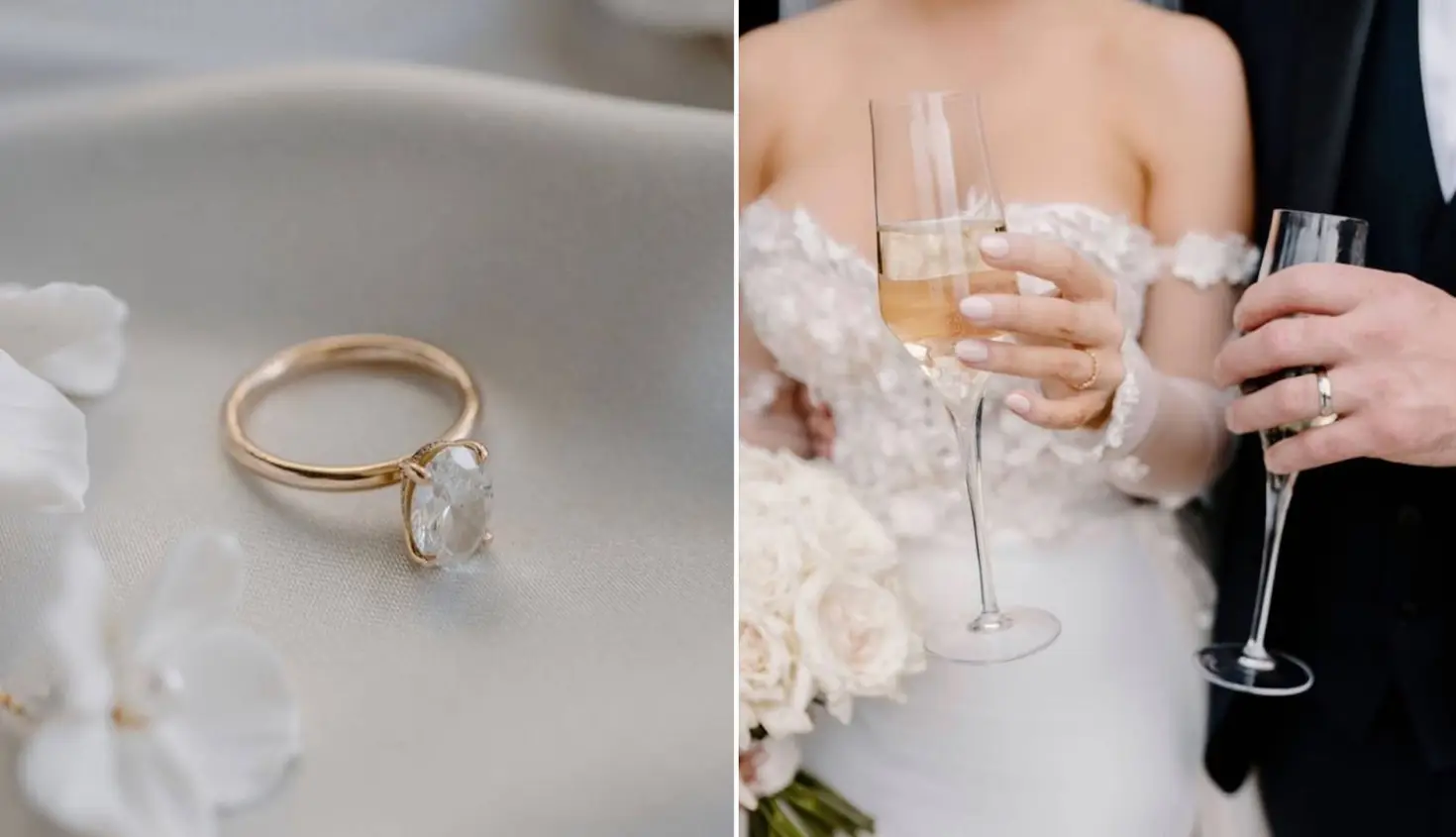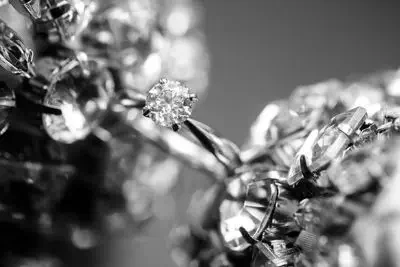
“Will you become my wife?” Expected question. Real excitement. Real emotions. Traditionally - also a material confirmation of intention in the form of a shiny precious stone . True love only goes hand in hand with a real gem? More and more often, couples choose diamonds obtained under more ethical conditions or laboratory-grown diamonds, which in terms of quality are equivalent to natural ones, but do not carry with them the heavy mine story. A relatively lower price allows you to choose a larger stone, which, of course, makes you happy.
Let's look at some examples and manufacturers.
As the jewelers themselves , there is no observation of a decrease in demand for natural diamonds, but the interest in those created in laboratories has definitely increased. It is a myth that man-made stone is not real, chemically indistinguishable from mined stone, excellent cut is possible, and a much more attractive price, which allows you to choose a larger, brighter piece of jewelry. There are couples who have already entered the port of marriage a while ago, but now they are turning to jewelers with a request to exchange their small diamond for a bigger, but artificially grown beauty.
If before the finger boasted one carat, now it can be replaced by three carats, and moreover, the ring can be worn without remorse about the conditions of its extraction. Along with ethical and sustainability considerations, a man-made diamond allows you to participate in detail in the choice of shape, cut, finish and forge, adjusting it to the finest nuances dreamed of.

A naturally formed diamond is the hardest known substance that has formed over millions of years. Crystallized carbon has acquired its physical properties under the influence of both high temperature and pressure, usually as a result of volcanic eruptions. Today, thanks to the development of technology, pressure and temperature simulation can also be created in laboratories. Now man can grow not only fruits and vegetables, but also his own precious stones, which have identical chemical and optical parameters as counterparts born in the depths of the earth millions of years ago. As already mentioned, the main difference is the humane, ethical conditions of extraction. Mankind has sacrificed too many lives for gem mines.
Of course, if the hand allows and it is possible to trace the history of diamond mining, a naturally obtained stone will be more valuable from an investment point of view, however, it should be remembered that this argument is valid if it is really possible to choose the appropriate amount of carats or if the hunter has the talent to track down a rare yellow or even red diamond. Then you are a real gourmet.
The company founded in Los Angeles has set "No mining. No emissions. No guilt" as its mission. slogan or "No to mines. No to emissions. No to guilt." It is possible to buy both ready-made designs and create your own.

The brand's mission is based on the principles of sustainable fashion, ensuring transparency of production and delivery at all stages. Recycled gold and lab-grown gemstones are used for jewelry.

Created in Antwerp, the brand only offers made-to-order designs, avoiding overproduction.

French finesse combined with sustainable solutions. The brand's slogan is "Without goodness beauty means nothing".

A brand created in Great Britain, which invites you to be present in its workshops and showrooms in the creation of your long cherished jewelry - from the idea to the moment of realization.

When eyeing a lab-grown diamond for your engagement, casual or holiday jewelry, do your research, compare reviews, and see the stones in person if possible. This will always allow you to make a choice based on both feelings and intuition.
Author of the article: Kristīne Kutuzova