First of all, it should be understood that the new Personal Data Processing Law does not stipulate that the data (in this case – photos and video materials) will no longer be able to be used, but that the persons appearing there will have to give their consent for the use of this data.
As marketing expert Sanita Kacuba writes: "This means that at free informal events, stores, presentations, street interviews and even Instagram , the use of photographs of the people seen there and any kind of publication will require permission".
People will need to sign a permission form. "Undeniably, not everyone will want to sign such a document and content creators will also be scared, which will definitely lead to a decrease in spontaneous content creation and use," says Sanita Kacuba.
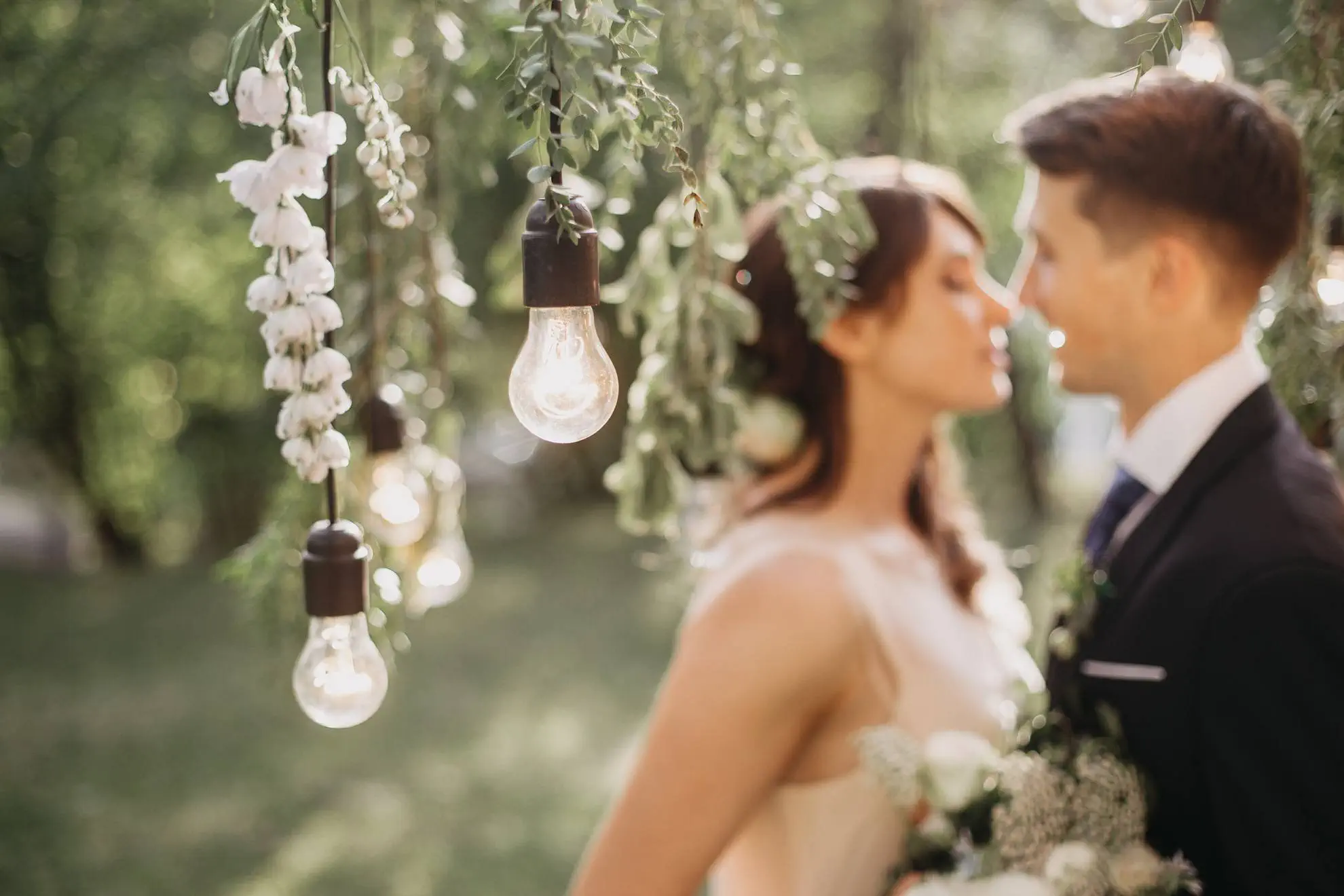
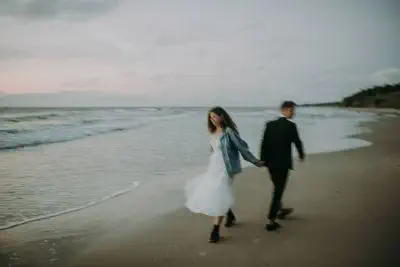
As the practice of the world and also of Latvia shows, already now, wedding photographers most often sign contracts with young couples, which also include clauses about publicity. If the couple does not want their wedding photos to appear somewhere, then this option is denied. It is also possible to conclude a confidentiality agreement. When interviewing wedding photographers in Latvia, they most often point out that although the new Personal Data Processing Law, will in some sense also affect the wedding photography industry, they do not see a reason for great concern.
Wedding photographer Inta Lankovska / INTA PHOTOGRAPHY states that she concludes a contract with the couples whose weddings are photographed, including a separate article on publicity, which means that they agree that their pictures are used for publicity purposes.
Wedding photographer AINĀRS MAZJĪNIS believes that the new Personal Data Processing Law, although not significantly, will still affect the wedding photography industry. "The effect of the new law will not apply to the photography part itself, but more to publishing pictures on the Internet or in magazines.
Permission from the new couple's wedding photographer in the contract will no longer be sufficient, written permission will be required from each person depicted in the photograph.
Of course, this is relatively easy if the photo only shows the new couple or a few people, but if there will be many people in the photo, then I think it will be easier not to publish such a photo than to get permission from all the people in it.
Everything will, of course, depend on how strictly it will be evaluated, because I personally don't think that nowadays, when almost everyone is registered on a social media platform, one picture would change something significantly, but I also agree that it is the choice of each person - to allow the picture of himself to be published or not," admits Ainārs Mazjānis.
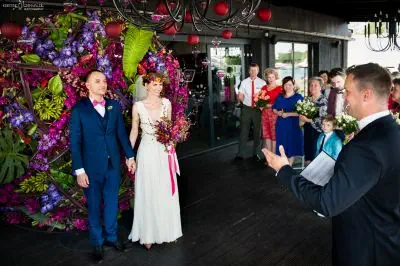
"Of course, as a wedding photographer, I also wonder what to do with wedding guests - how to warn them and get their consent to publish pictures in which they can be seen.
One of the versions could be that the contract between the photographer and the new couple will include a clause that it is the couple's duty to warn the wedding guests that the photographer may use the pictures for publicity purposes.
Even though my contracts already include a clause that I, as their author, may use my works, I always coordinate this if I give pictures to a third party or put a wider overview on the website. Human rights seem to be more important than copyright, and we don't want people to be left with a bad aftertaste ,” shares the experience of wedding photographer Ģirts Raģelis / HOLDME PHOTOGRAPHY.