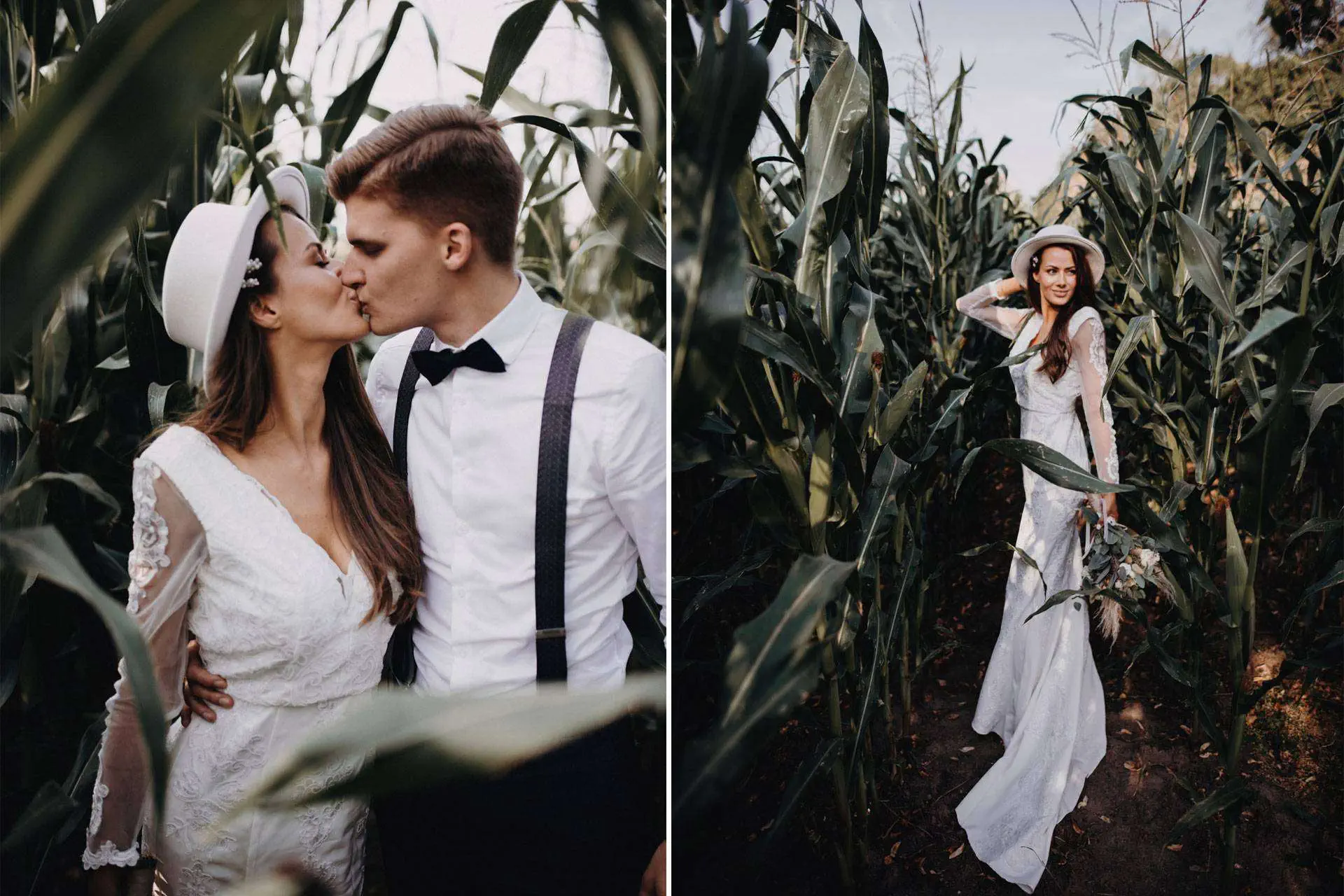
The wedding trend of 2020 is sustainable thinking, not only in everyday life, but also in weddings,
which is one of this year's hottest wedding trends. This means that couples are thinking more and more about it
the wedding would create as little waste as possible and leave a relatively smaller impact on nature. LĪGAVĀM is looking for
the answer to the question of what steps we can take to promote sustainability.
The paper wedding trend is also changing
These can be relatively small steps that can lead to sustainability, e.g.
instead of new wedding rings, melt the wedding rings left in the family. Or family owned
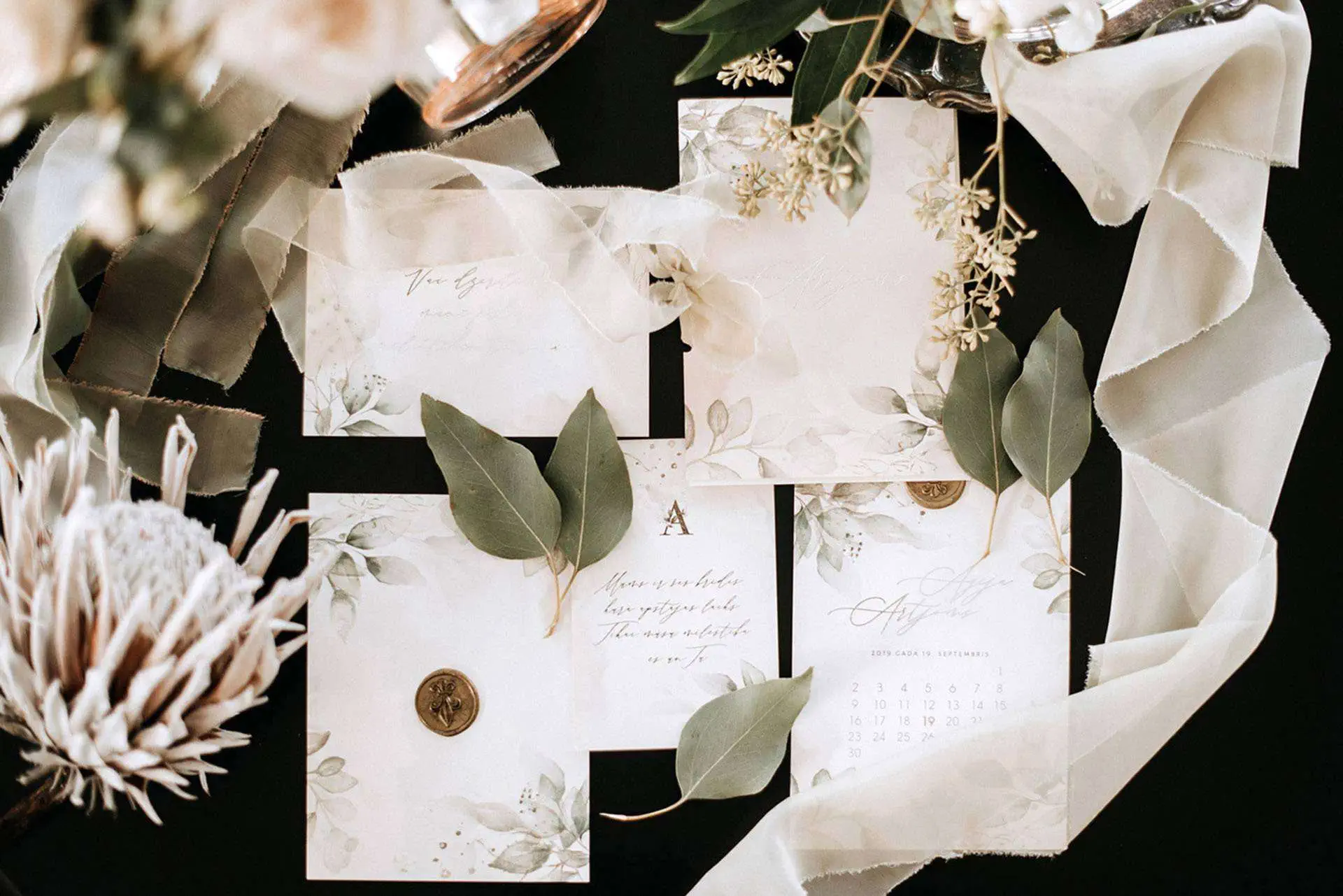
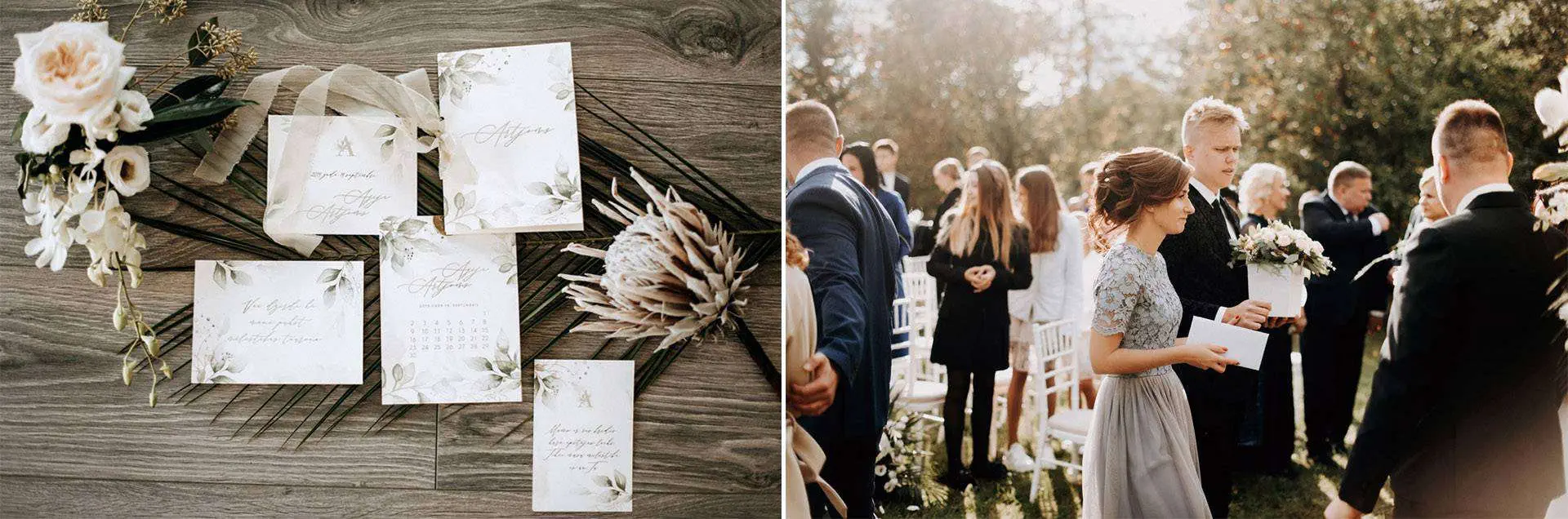
gold. Every year, millions of trees are cut down in the world for the production of various paper products, and it must be said that weddings
stationery is an integral part of the wedding industry.
Although more and more young couples want to make their own wedding invitations
and put directly in paper form, however, there are various other alternatives:
First, of course, by sending invitations electronically.
If it still seems too impersonal, then invitations can be made from different materials
for recyclable materials.
Young couples around the world are increasingly looking for a middle ground, such as invitations
when made from paper, but "save the date" or reserve wedding date cards by sending them electronically.
Also, information is no longer added to wedding invitations more and more often
cards. All additional information about arrival and other aspects sent in electronic format.
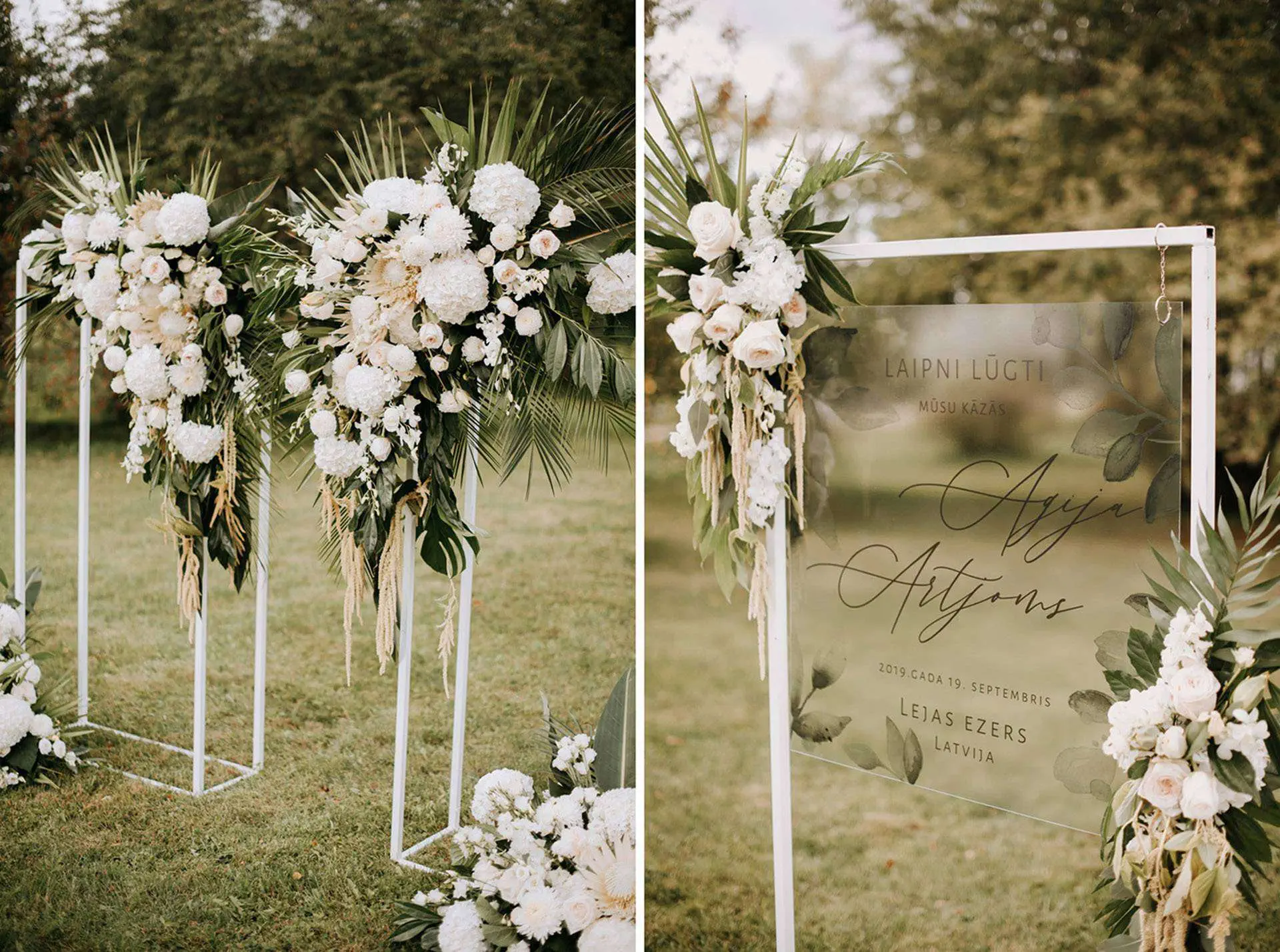
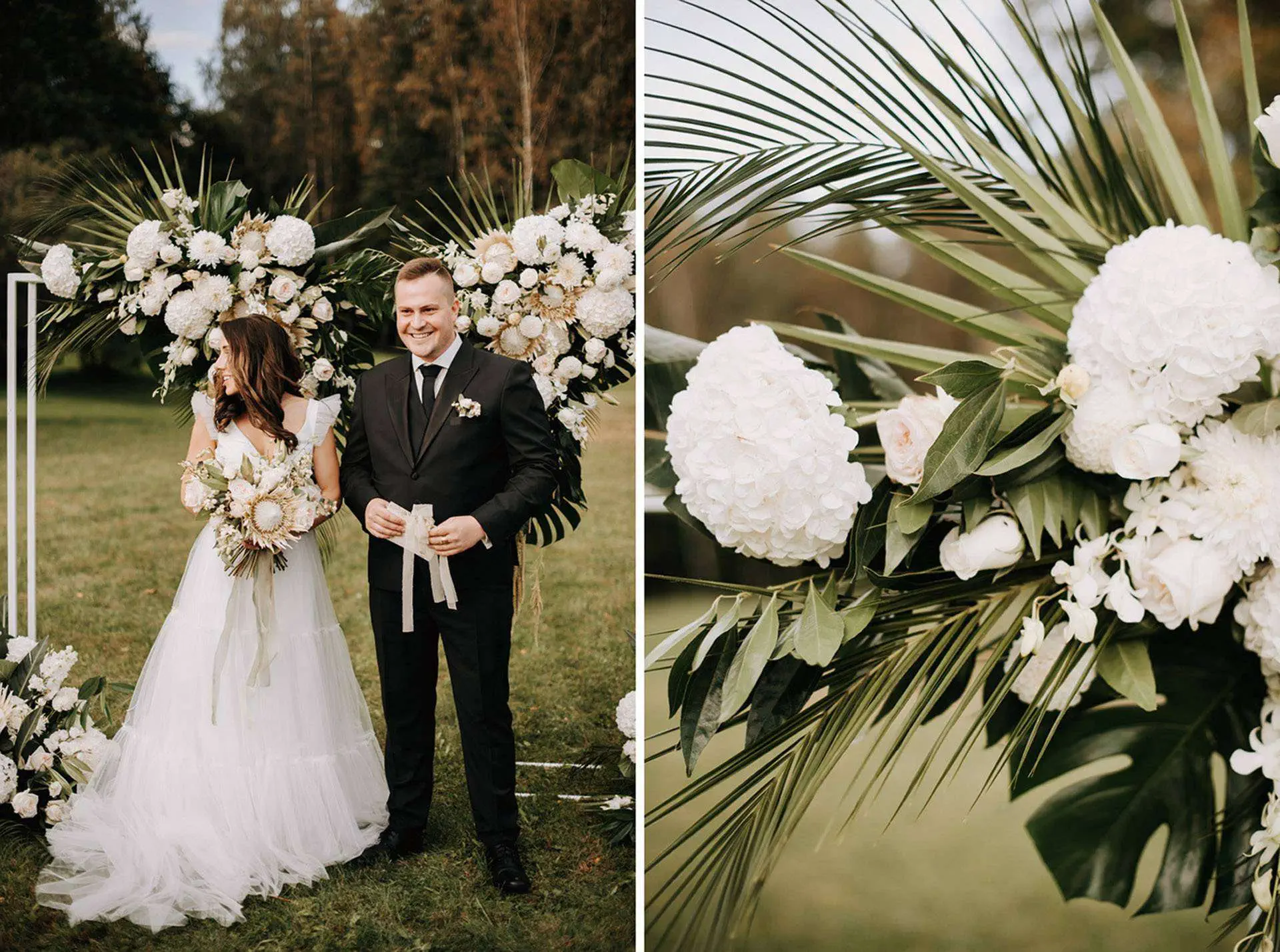
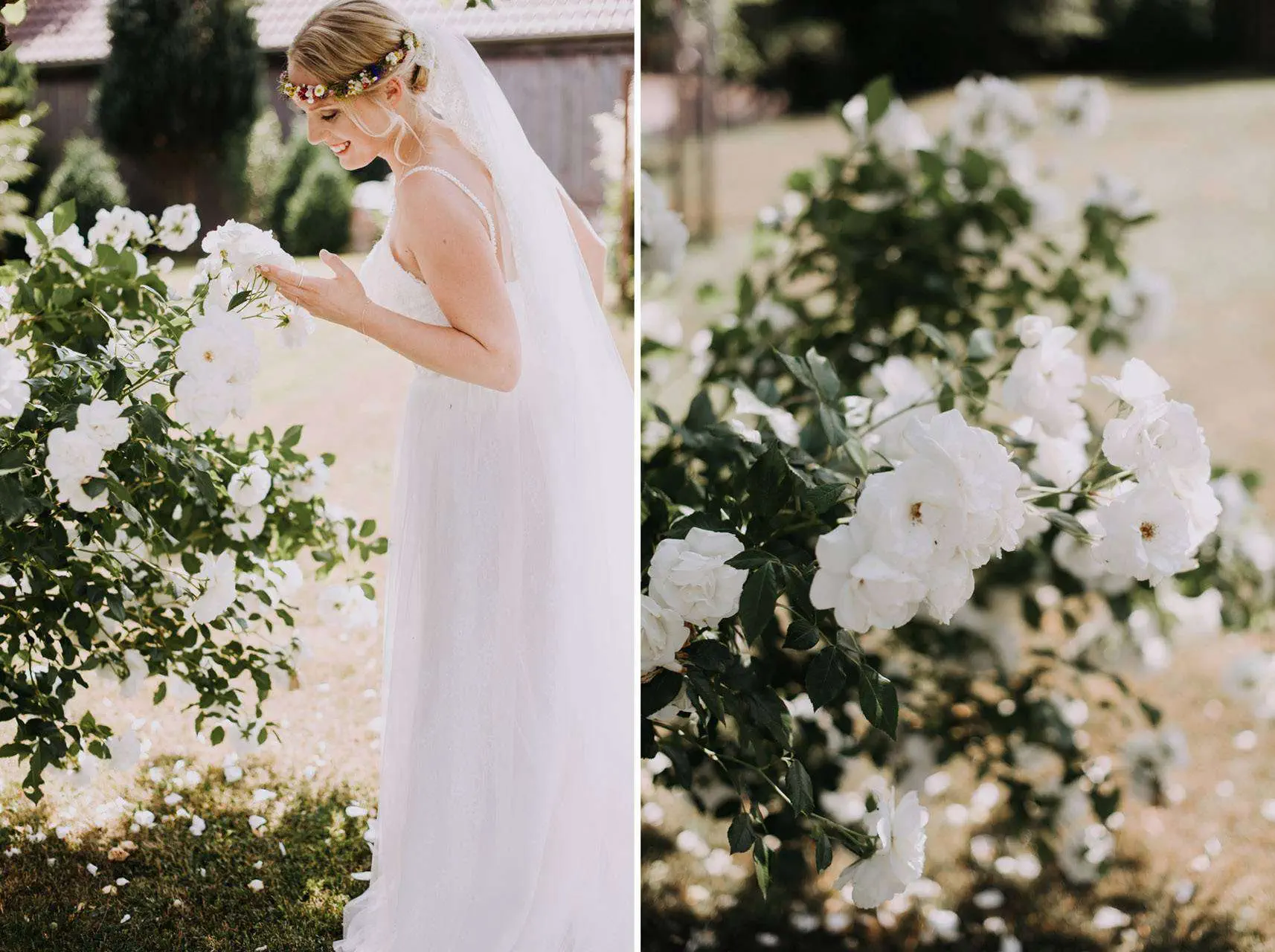
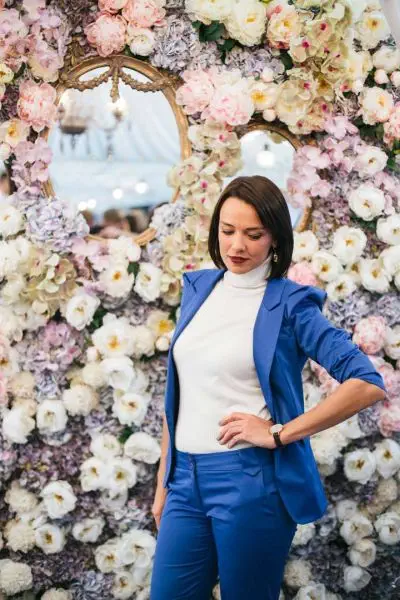
Flowers are another component without which a wedding day cannot be imagined. Although false
it may seem that the flowers are recycled anyway and no additional waste will be produced, but this is not the case at all. Not all flowers
are organically grown. Many farms where flowers are grown use countless chemicals that
promotes that various insects do not approach them, but can often cause various health problems in these kennels
workers. If a young couple values sustainability but likes flowers, that doesn't necessarily mean they will at their wedding
must remain without them.
First, the couple can choose local flowers grown in natural conditions.
If there is no such possibility, then you can research and order flowers from growers who
do not treat flowers with chemicals.
It will also be much more environmentally friendly if you choose flowers in flowerpots for decorations,
which can be taken home after the wedding, distributed to guests and planted in the ground. This option was also chosen by the actor couple Ieva Florence-Vīksne and Oskars Florencs-Vīksne , who got married
last summer.
If wedding decorations without flowers are often unimaginable, then flowers as a greeting
of guests has lost its relevance in recent years.
Young couples increasingly understand that the flowers given on the wedding day in any
in case they are not given proper attention and they will end up in the trash relatively soon, therefore wedding invitations
indicates that instead of flowers, they would like to receive a book, wine or some other alternative. If the young couple still wants
flowers, then indoor plants in pots will be a great alternative.
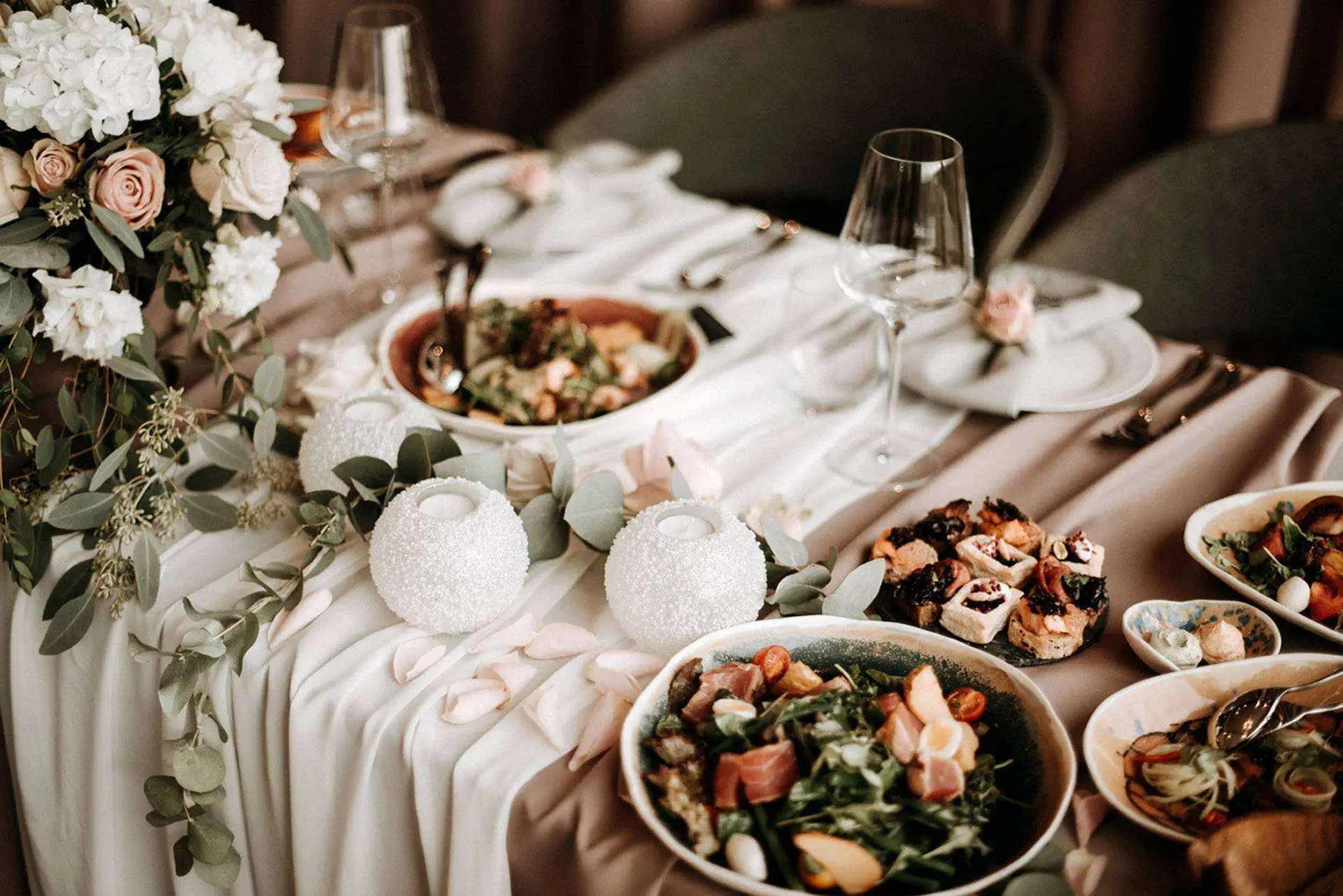
Good food is one of the most important components of a wedding celebration, and by the way
focusing on a greener lifestyle does not necessarily mean sacrificing taste.
The current wedding trend is also to use food grown by local farmers and
organic food you trust or partner with entrepreneurs who also think about sustainability. What
does this practically mean? The fact that if the wedding takes place, for example, in Kurzeme, catering and wedding cake can be ordered from
entrepreneurs of the specific area, instead of, for example, asking to deliver everything from Riga, which would create not only extra
transport costs, but would also leave a more serious impact on nature.
The first thing that comes to mind for many brides when they hear about eco-friendly
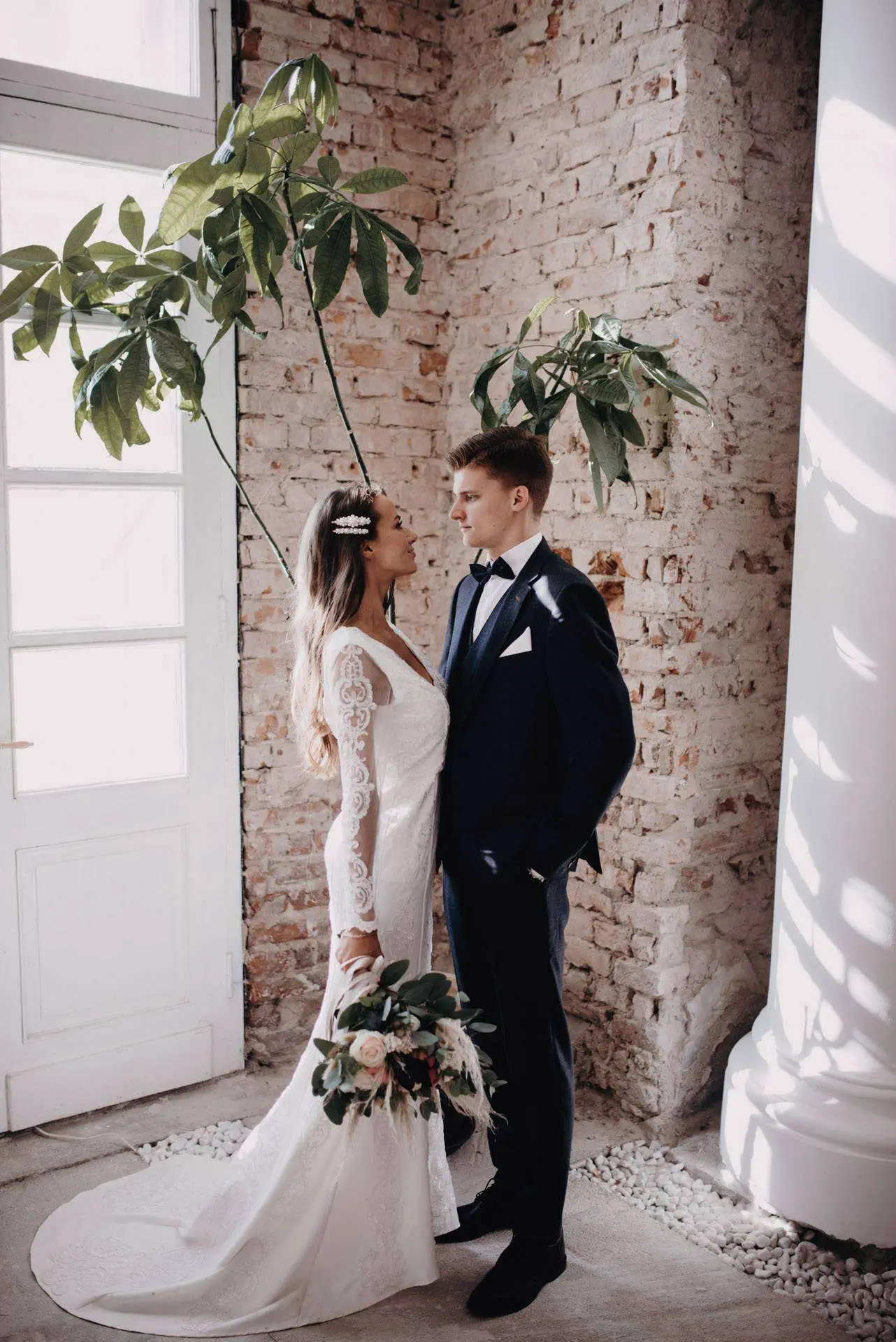
choosing a wedding dress, is to sew and wear the mother's inherited dress. However, it is not the only option.
The dress can be re-sewn using fabrics you have at home, bought at a vintage store and re-stitched,
as well as, of course, to rent. It will not only be cheaper than buying a brand new dress, but also
more sustainable.
This website uses cookies to improve the user experience and optimize its performance. By continuing to use this website, you agree to the use of cookies on this website.
Read more

 share
share