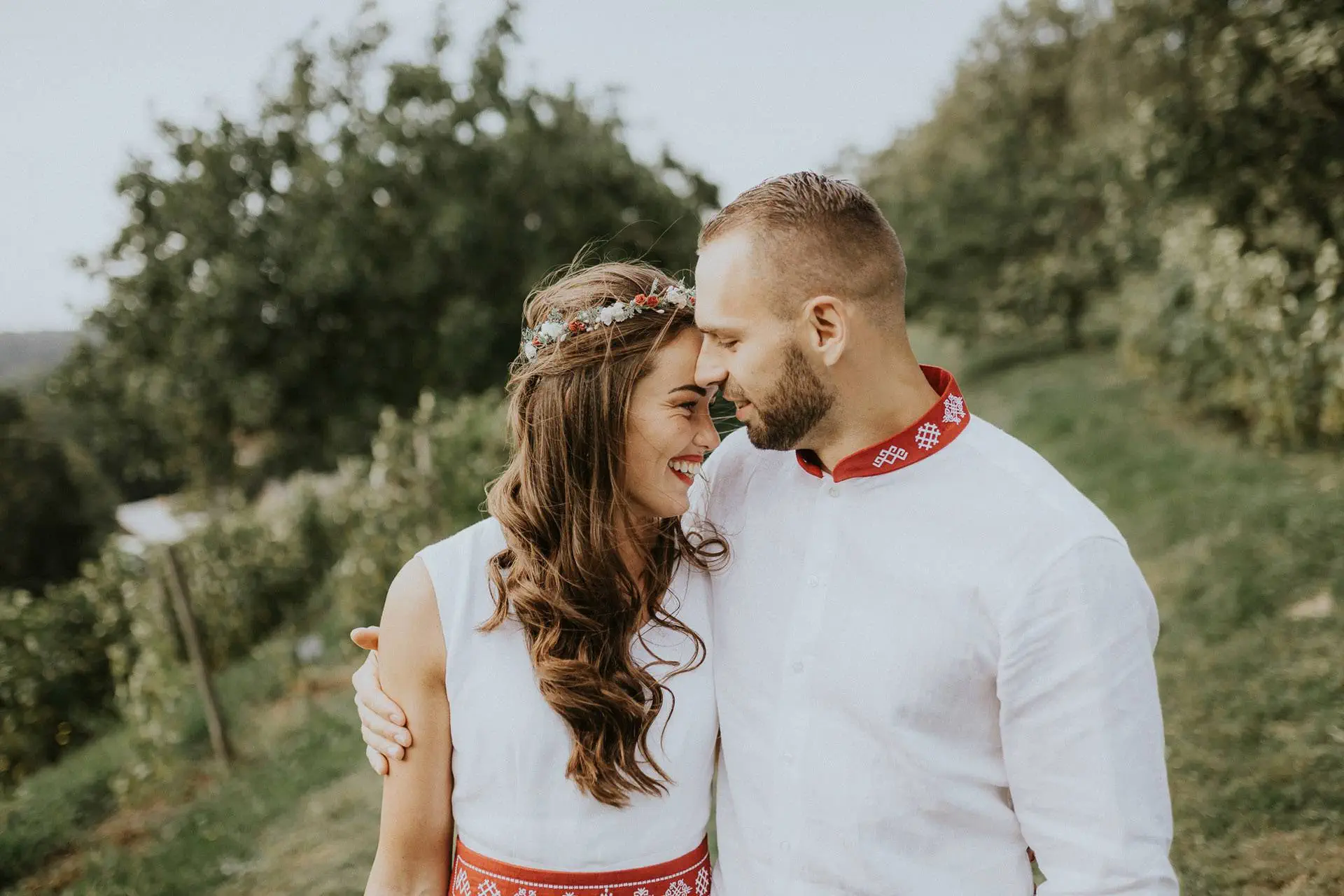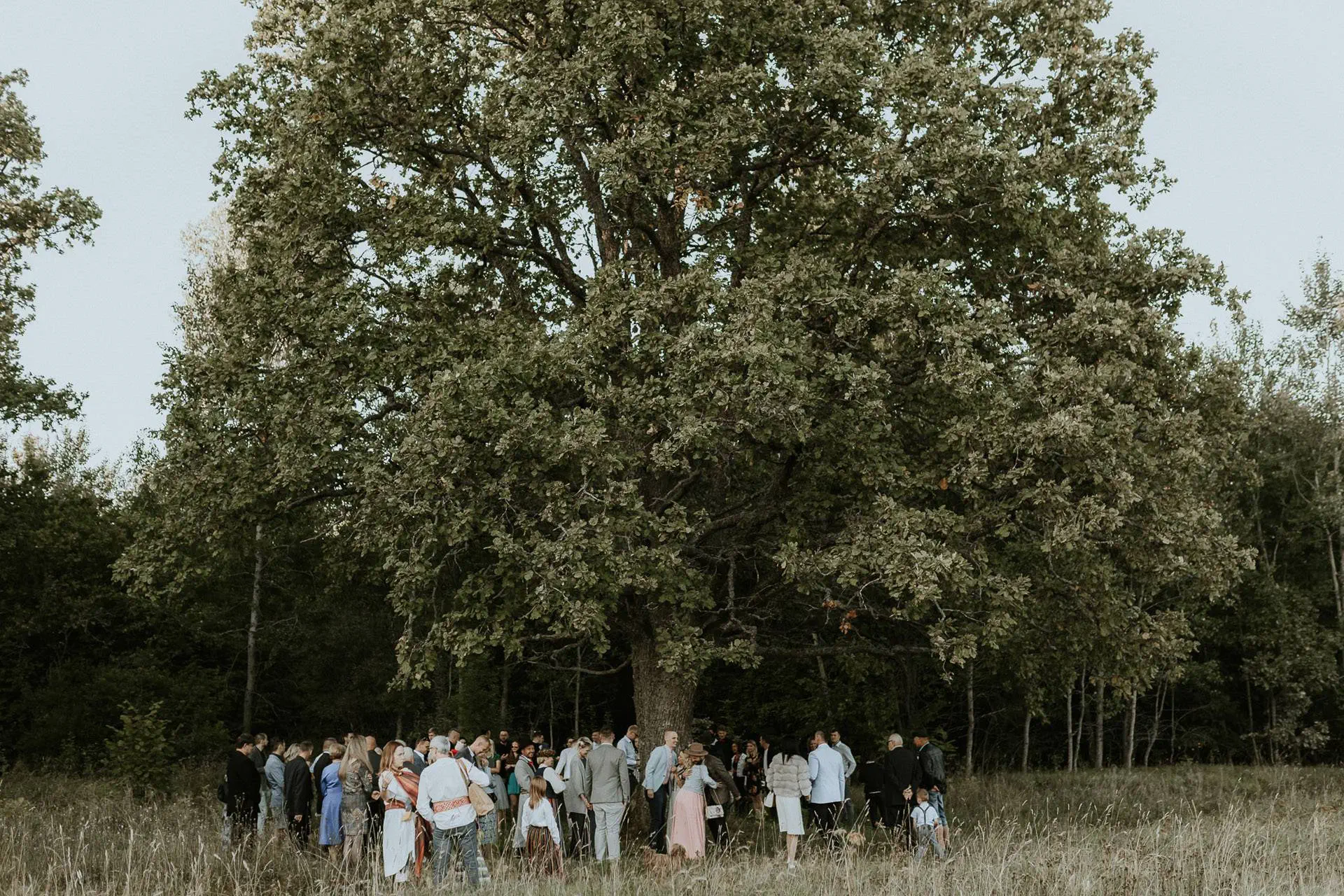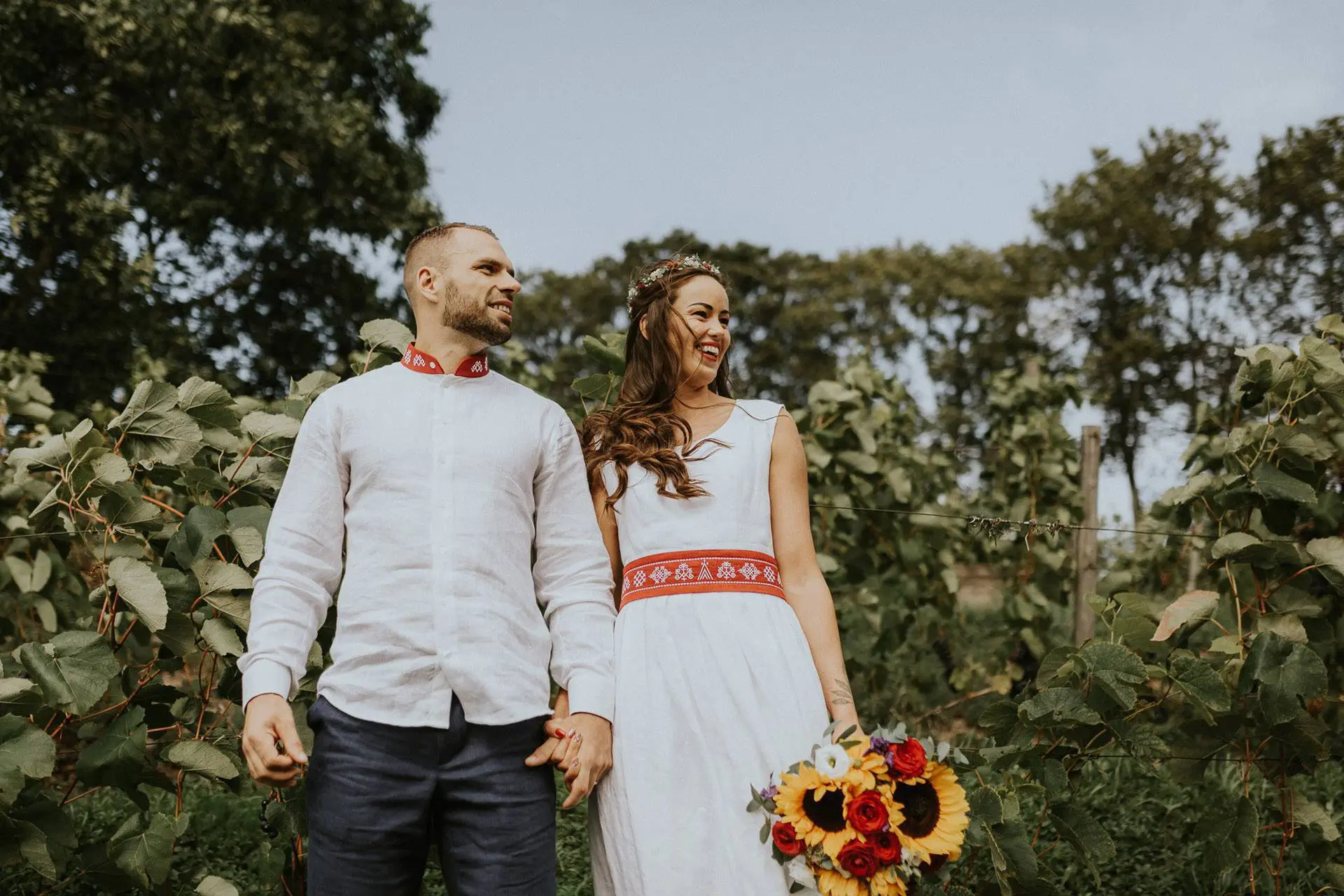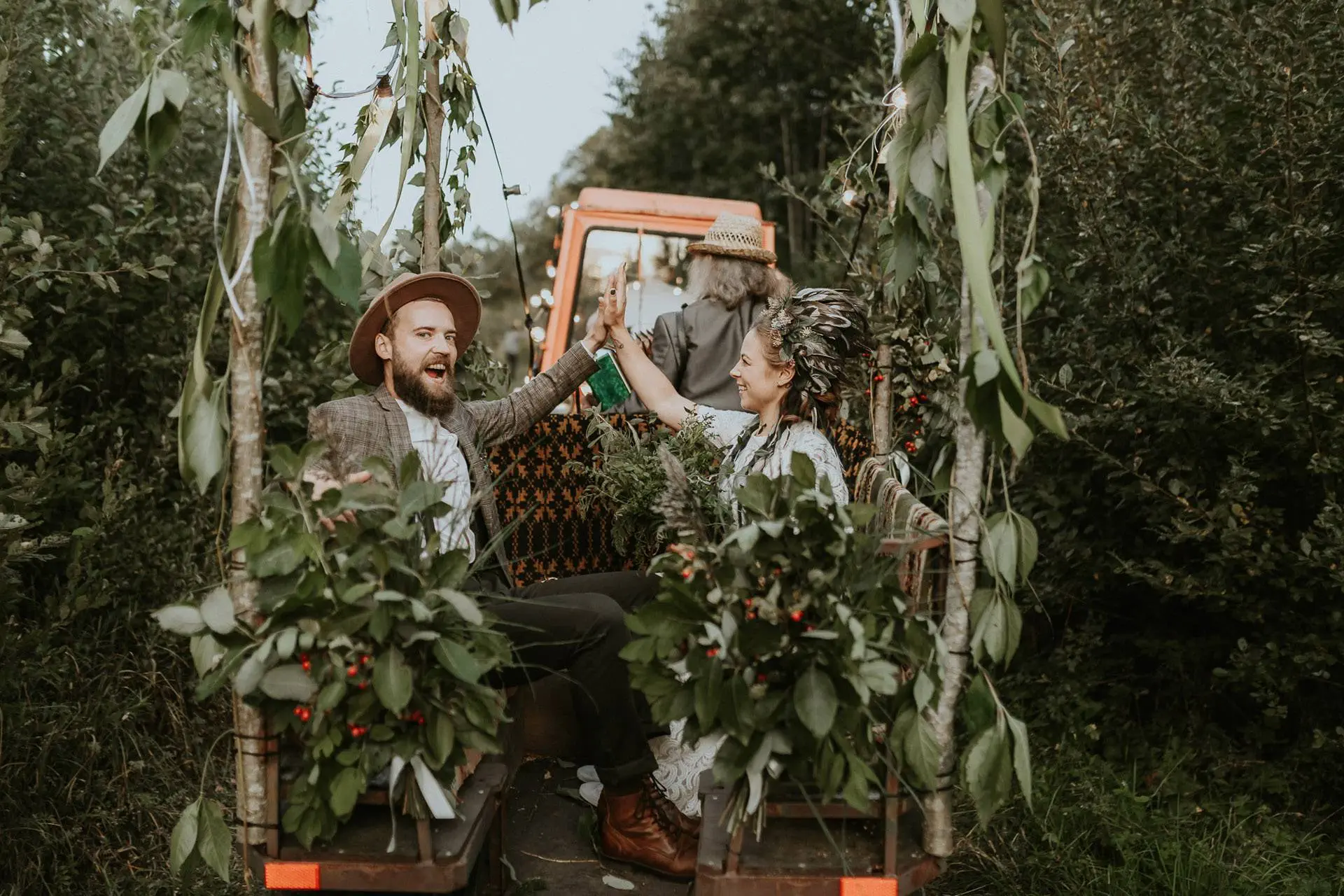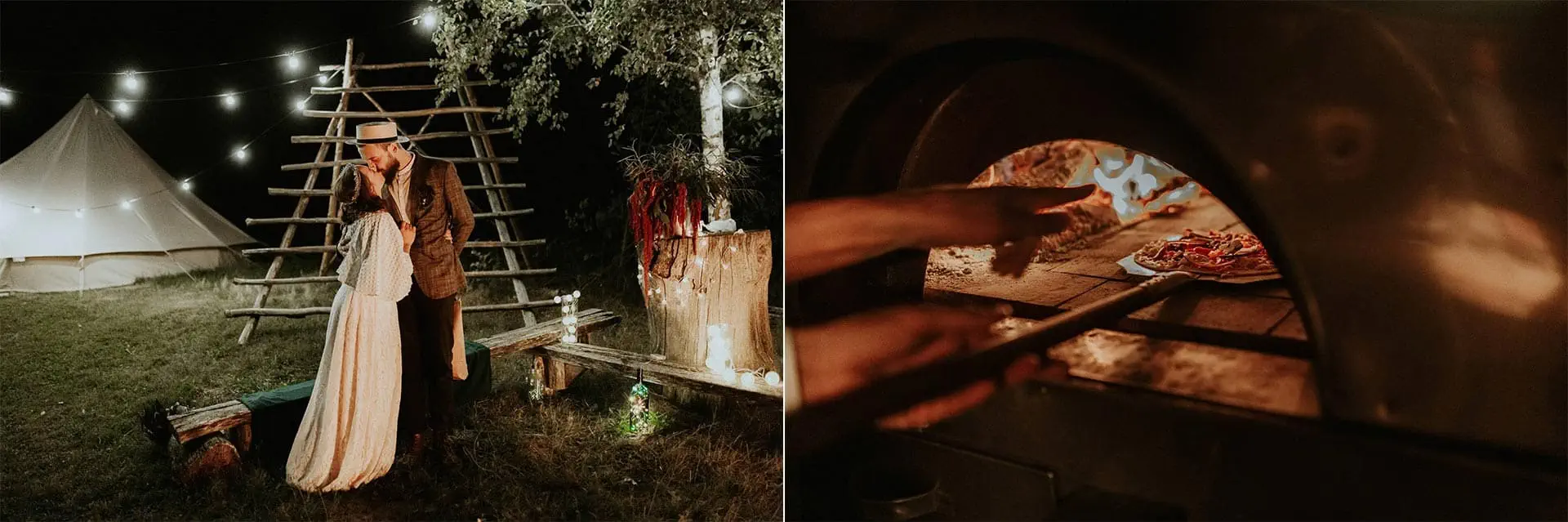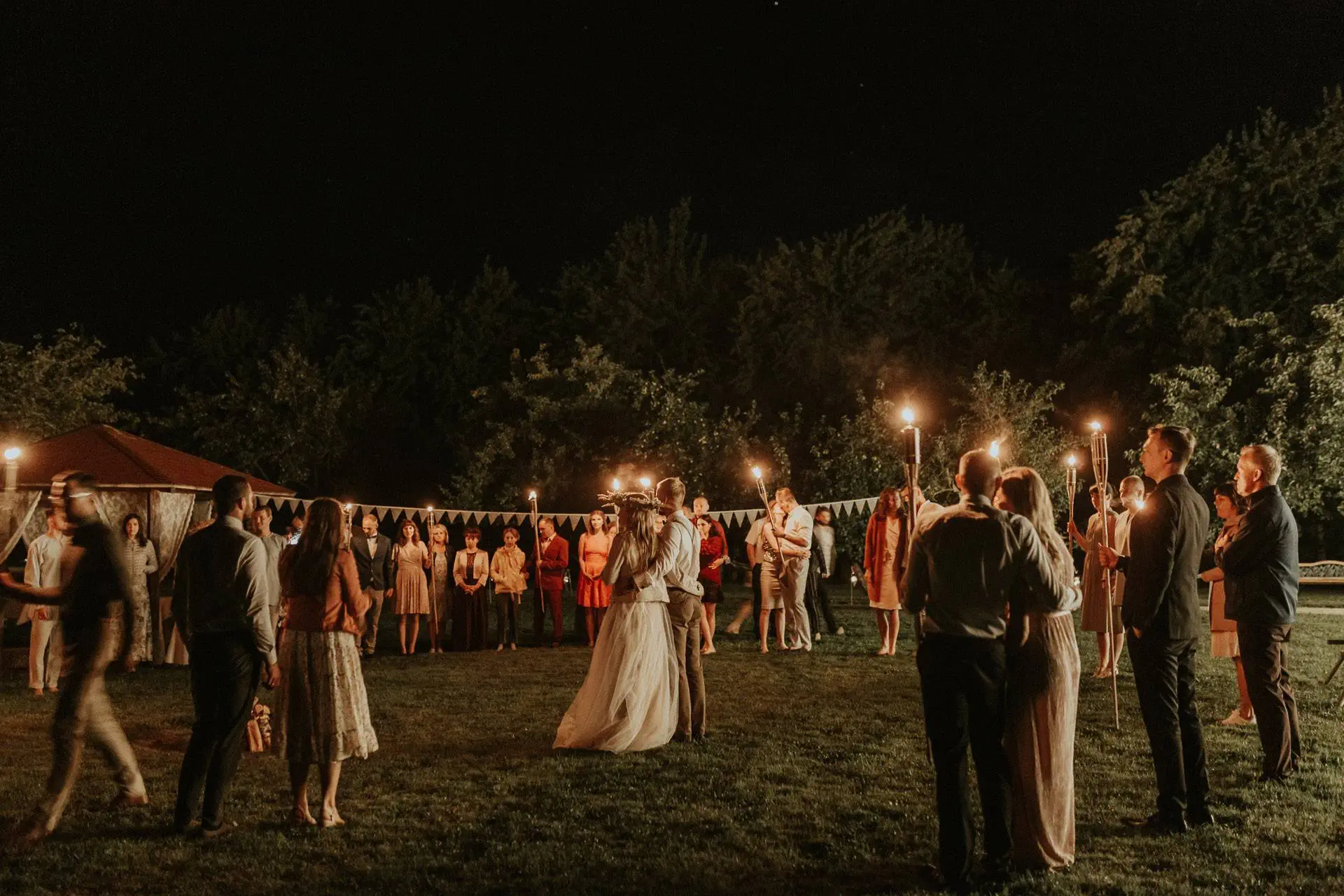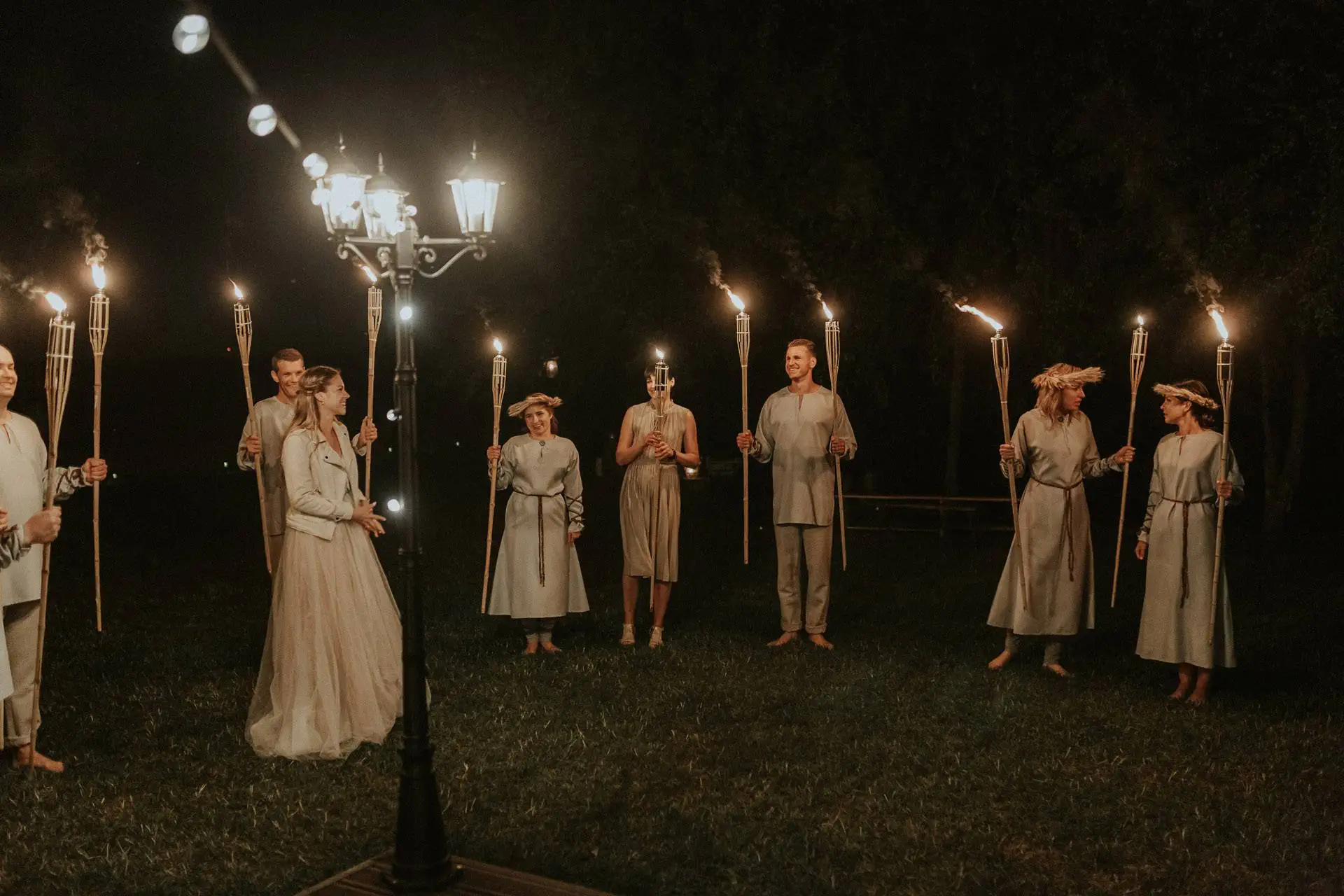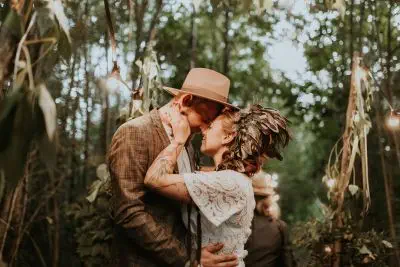
Today, June 21st, is the summer solstice . A magical time that is considered especially suitable for the future for divination. So, on the shortest night of the year, unmarried girls can find out if they will get married this year as the sun sets. in the oak, I will braid my own wreath. If the crown remains in the oak tree, the wedding will take place, if it falls to the ground - you have to wait.
It is the right time to look into the treasure trove of ancient knowledge and beliefs - who is the bride and groom in Latvian folklore and what does the transition between wife and husband mean.
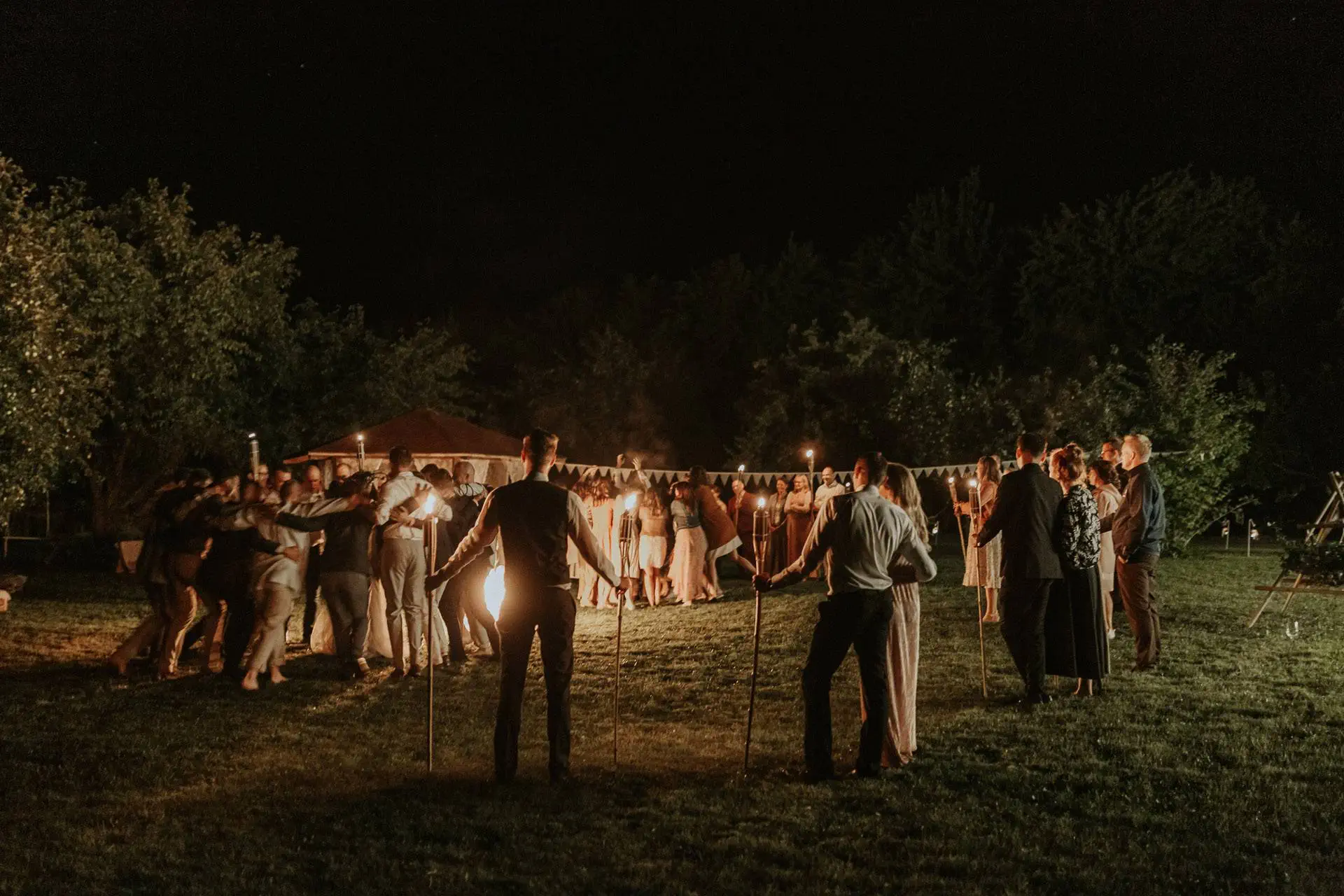
The wedding took place in accordance with all known and accepted rituals - including the ritual of the bride's bath, in which to wash off the excess physically and mentally; mixing, which symbolizes the transition to the status of spouses, as well as brides stealing and ransoming, as an idea derived from the ancient ways in which a young man obtained a bride. Rituals though have changed over time, and they differ from county to county. But the basis remains - it is one stage of life closing and next opening.

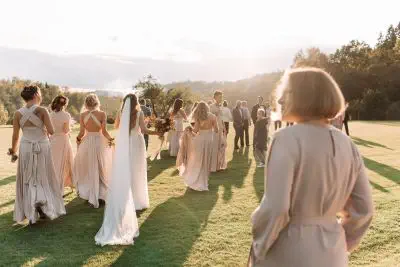
There is a certain tradition in the procession to replace the bride's crown against the wife's brother-in-law. However, wearing an aube is not such an old tradition at all, as it used to be a headscarf, while there are sources, which shows that the bride did not say goodbye to the crown at the wedding, but wore it until the birth of her first son.
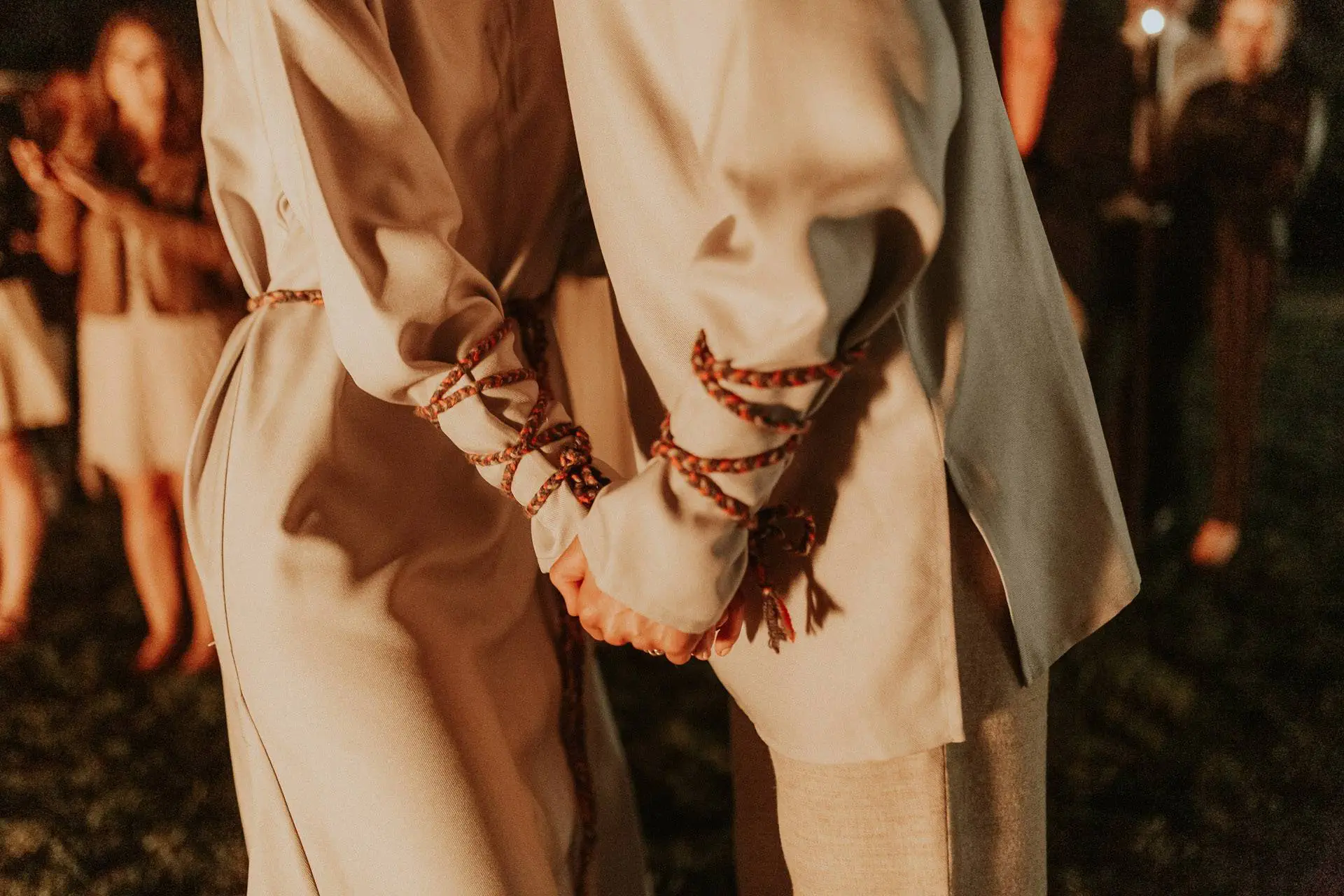
Michoshana is not only a transition, it also strengthens the husband's masculinity and the wife's femininity.

Ancient Latvian wedding traditions are rich in playful rituals with game elements. One of these rituals before a serious transition into the role of a wife, is the wooing or betrothal of a girl. While the husband was driving, the bride usually hid, while her mother and other family members playfully demurred when they were asked to show the bride. When finally the family agrees to show the bride, at first fake brides are brought - an old wife and a brand new girl.
It is interesting that traditionally the groom had to show the whole village whether he managed to get the bride - if he rode home on decorated horses, then everyone knew that there would be a wedding. And he himself received the final word through symbols - if the groom was given oats at the house of the potential bride, then it is certain that the marriage will take place, but if he was given needles, then must remain silent.

In folklore, more attention is directed to the bride. The groom and his family expected the girl to know various skills, how to weave and bake bread. The bride's dowry was of great importance, as it indicated the daughter's diligence and ability. For the groom this also had to be learned before being honored as a husband - for example, one had to know how to plow a straight furrow.
The time before the wedding is especially important. The daughter is advised to spend it with her mother. There are traditions in which the mother came on the night before the wedding, to wash the daughter's back, in another tradition, the two baked bread together and spent time in women's conversations. In the bread baked together, the mother puts good wishes for her daughter's future life.

The fertility of the bride is also associated with baking bread. The ancient Latvians believed that the wife, who is sitting upside down and with a villain covered abras, becomes fertile. In order to attract fertility to the bride, she could choose a mother of many children who was pregnant "sit down".
If today, after marriage, everyday life basically does not change, unless the family is soon supplemented by offspring, - lifestyle most often started before the wedding, we also go to work, study and travel, then transitioning to the role of wife and husband earlier changed the daily course and had to strictly follow the new responsibilities and enter a new farm. The new ones are not for nothing girls cried during the march when their girlfriend or sister was given away as a wife to the group. Such a symbolic tradition, belonging to the ritual - the boys also cried, giving back the young man from their regiment. Old Latvians celebrated weddings for several days - joyfully and with scope.

Author of the article: IEVA KRASTIņA
Photo: CLYDE TROUSERS
Read also: MICHOŠANA – LATVIAN FOLKLORE TRADITION WITH ADDED VALUE U