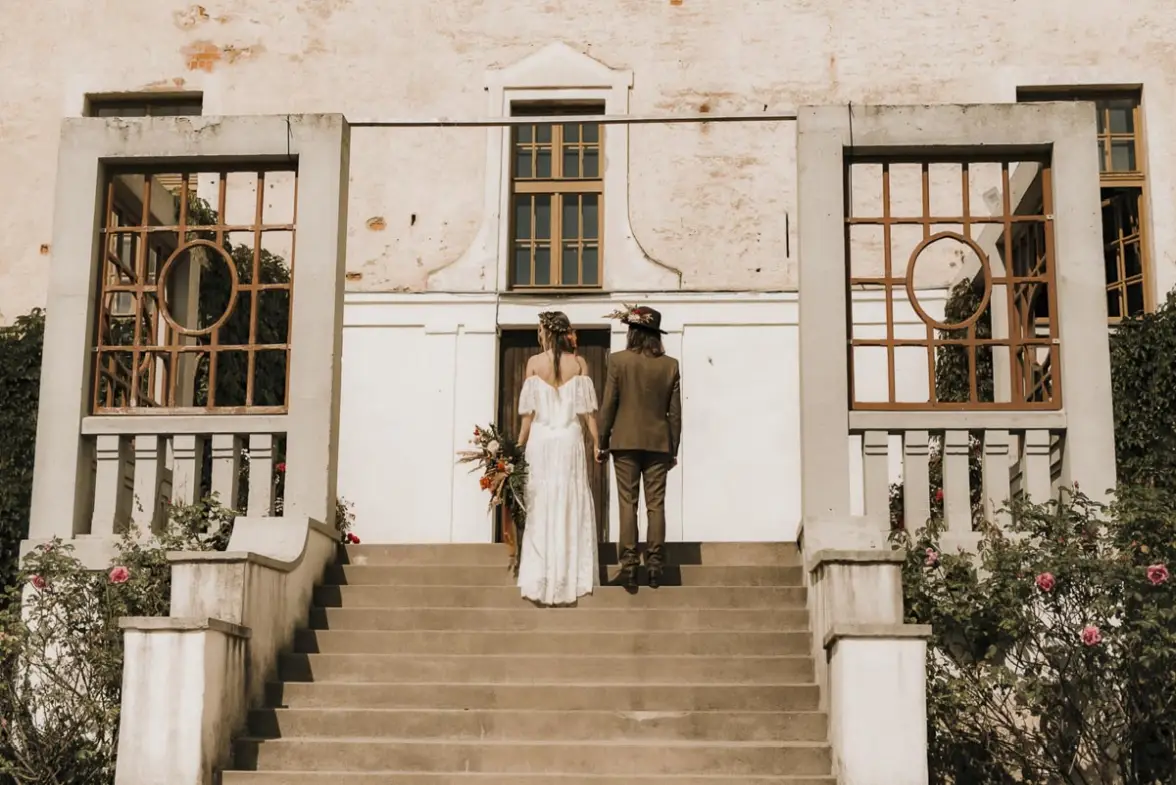
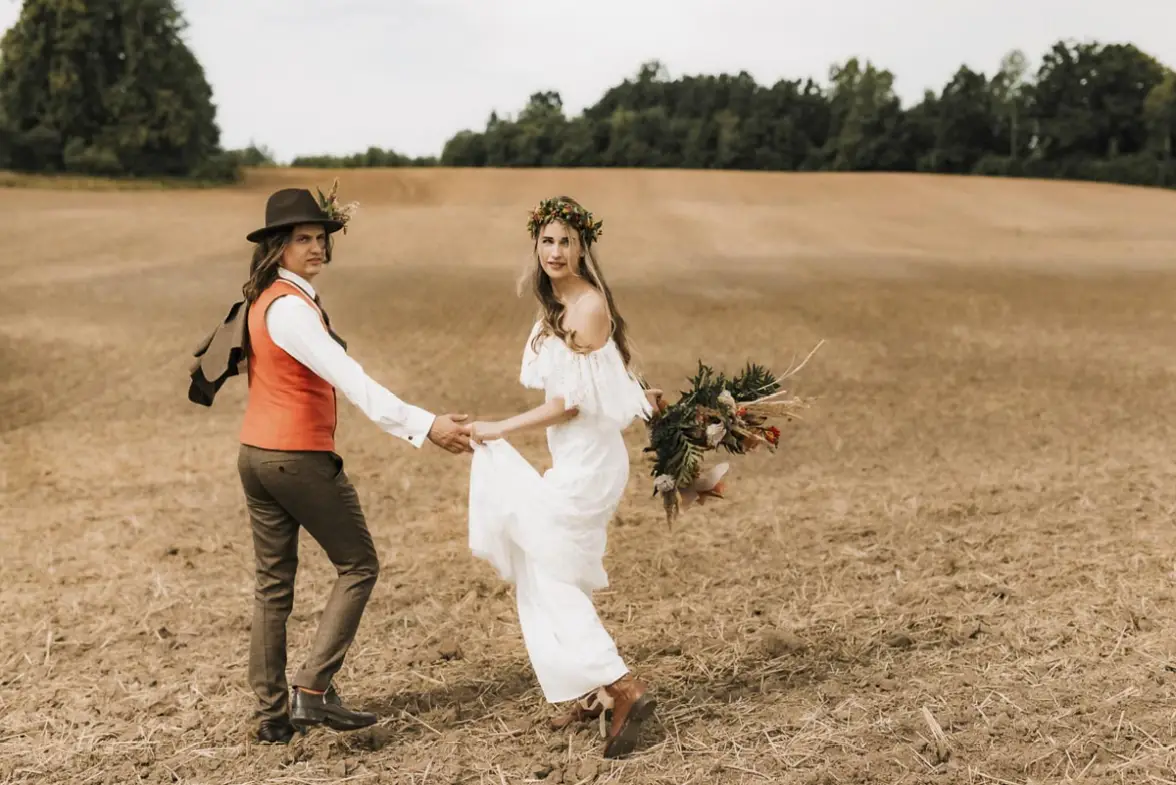
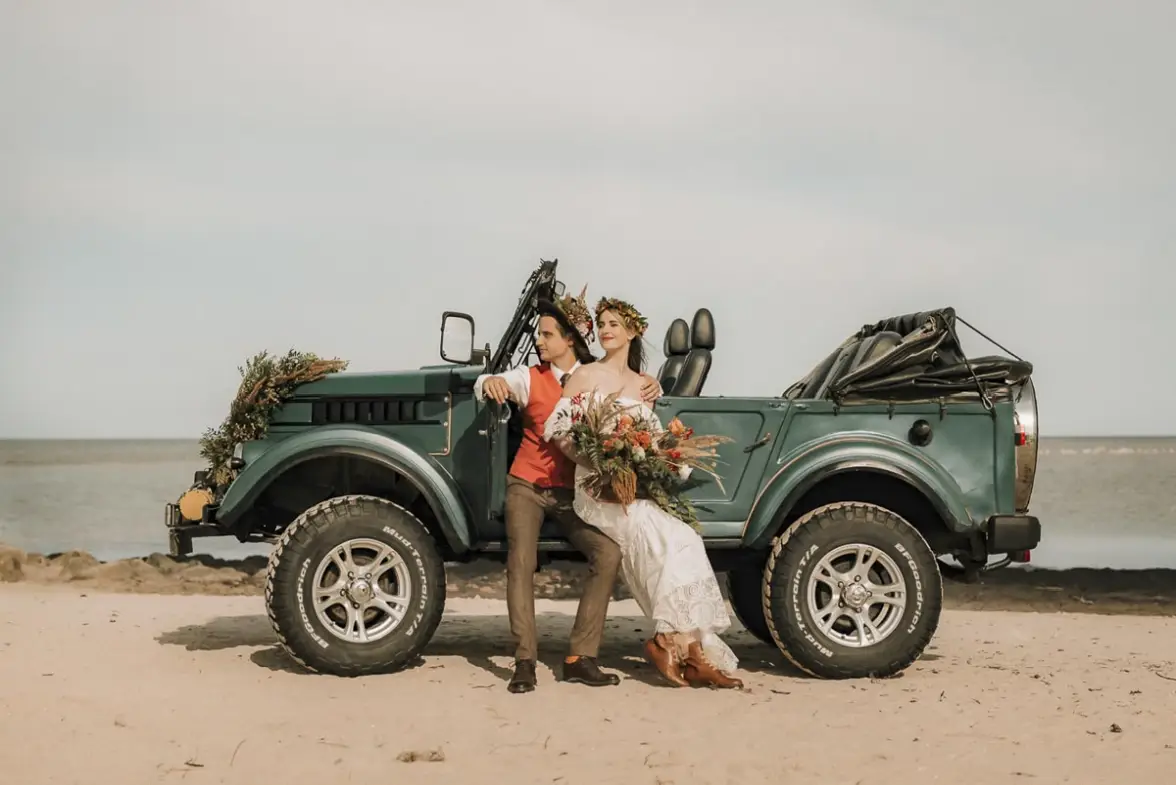
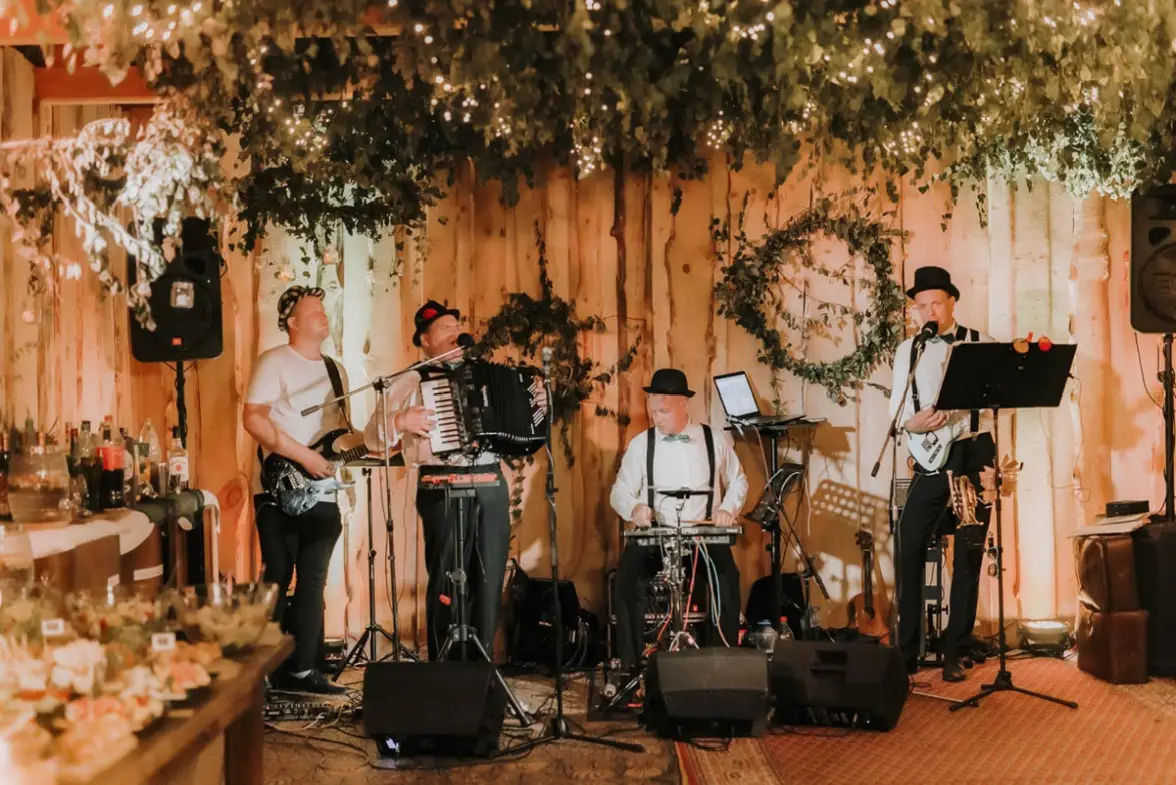
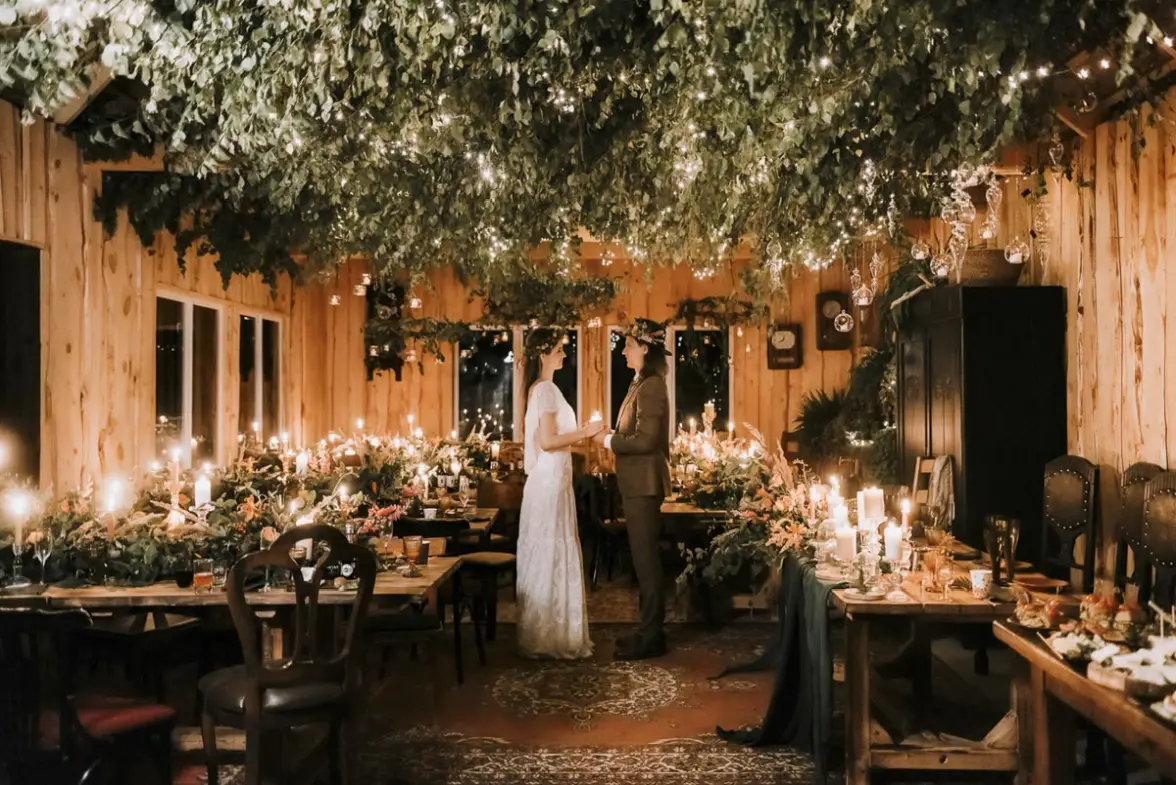
While some stick to classic values - an elegant wedding in a fine manor , others are looking for ways to make the wedding a truly authentic experience and a symbolically powerful event. One option is to go back to your roots and have a traditional wedding . organizing such a wedding can turn into an exciting process of getting to know your culture. In addition, upon closer inspection, one can notice that many of today's wedding traditions actually echo ancient rituals and symbols.
In Latvian, we tend to designate weddings in different ways, and each of these designations has a slightly different meaning. Often you only need to listen a little more carefully and the words say everything by themselves. Marriages were originally associated with the church, but nowadays we also use this designation when it comes to concluding marriages in the registry office .
Even today, we often talk about marriage and marriages, a similar term for this activity was also betting. These two concepts come from the fact that there is also a material issue present in marriage, such as the agreement on dowry.
Latvian weddings are also known as weddings , which means taking the bride from her parents' house to her new husband's house. Ancient Latvian weddings, or vedības , are associated with matching, or a ritual in which a couple is placed next to each other to become husband and wife. Even today, the still strong tradition - mixing has an interesting meaning. It is the exchange of the bride's crown for the wife's miti.
The ancient wedding traditions are most vividly preserved in Latgale and the Suiti region in Kurzeme. in these two regions, the traditions of the people and the Catholic Church coexist. Even today, most couples choose to integrate different traditions in their weddings. Therefore, let's take a look at what ancient wedding rituals were, what their meaning was, and perhaps it will inspire you to include one of them in your wedding.
In the past, to a much greater extent than today, life proceeded according to the rhythms of nature. The wedding was also subordinated to events in nature. Although in folklore, the summer solstice is the time of the celestial wedding of the daughters of the Sun and the sons of God, our ancestors themselves held weddings in the spring and summer only in exceptional cases. The best time for marriage was autumn, when the harvest had been harvested. It was also possible to get married between Christmas and New Year's Eve. However, one could not marry during Lent.
Thursday was considered the best day for a wedding. this day is associated with fertility for many European peoples. They often got married on Thursday, but went to the church to get married on Sunday. Or vice versa - they got married in church on Sunday, but got married the following Thursday. In addition, the wedding was celebrated for at least three days in the homes of both the bride and the groom. Weddings that lasted only three days were called short weddings and were celebrated for one and a half days by the bride and one and a half days at the groom's home. The long wedding was celebrated for three days at the home of the bride and three days at the home of the groom.
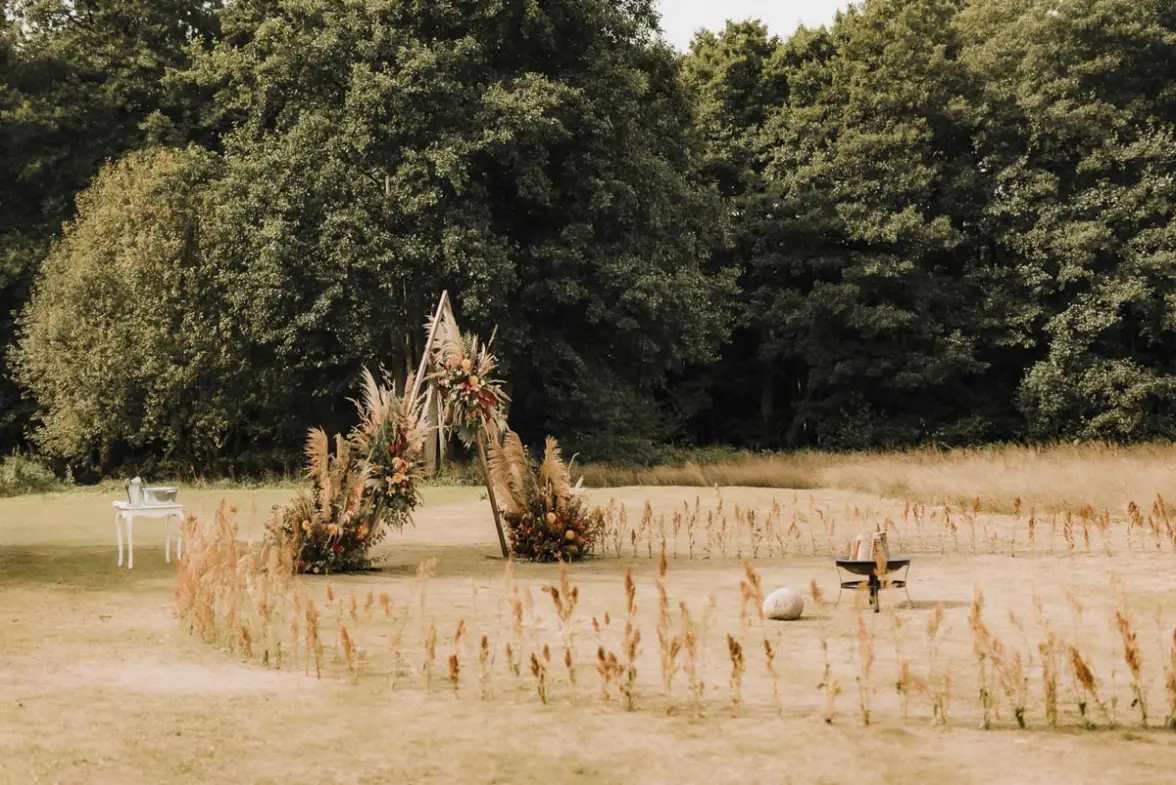
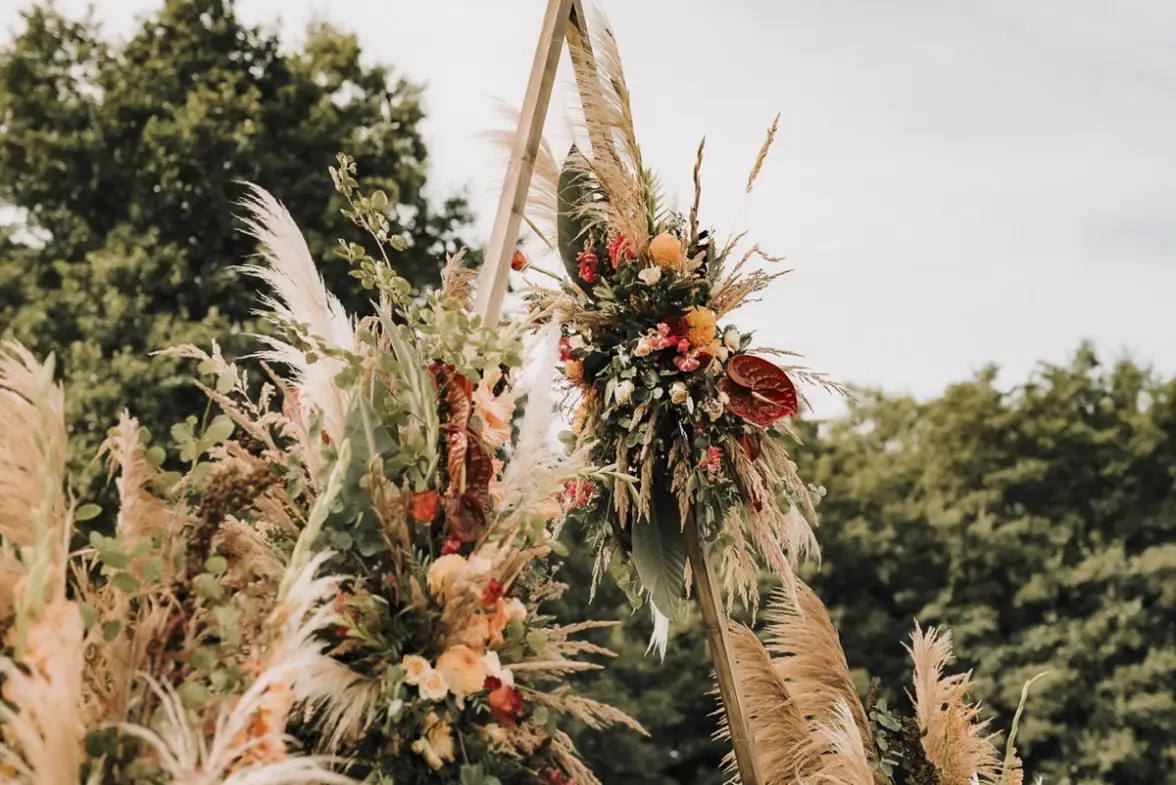
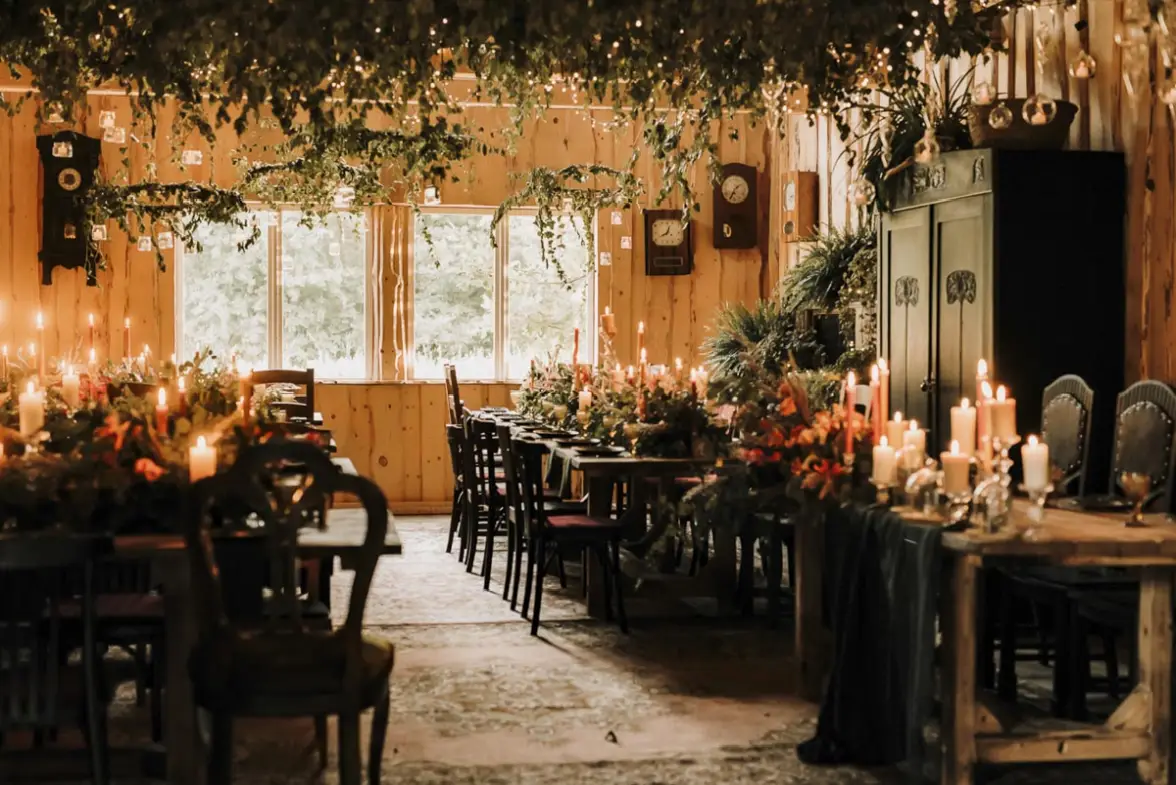
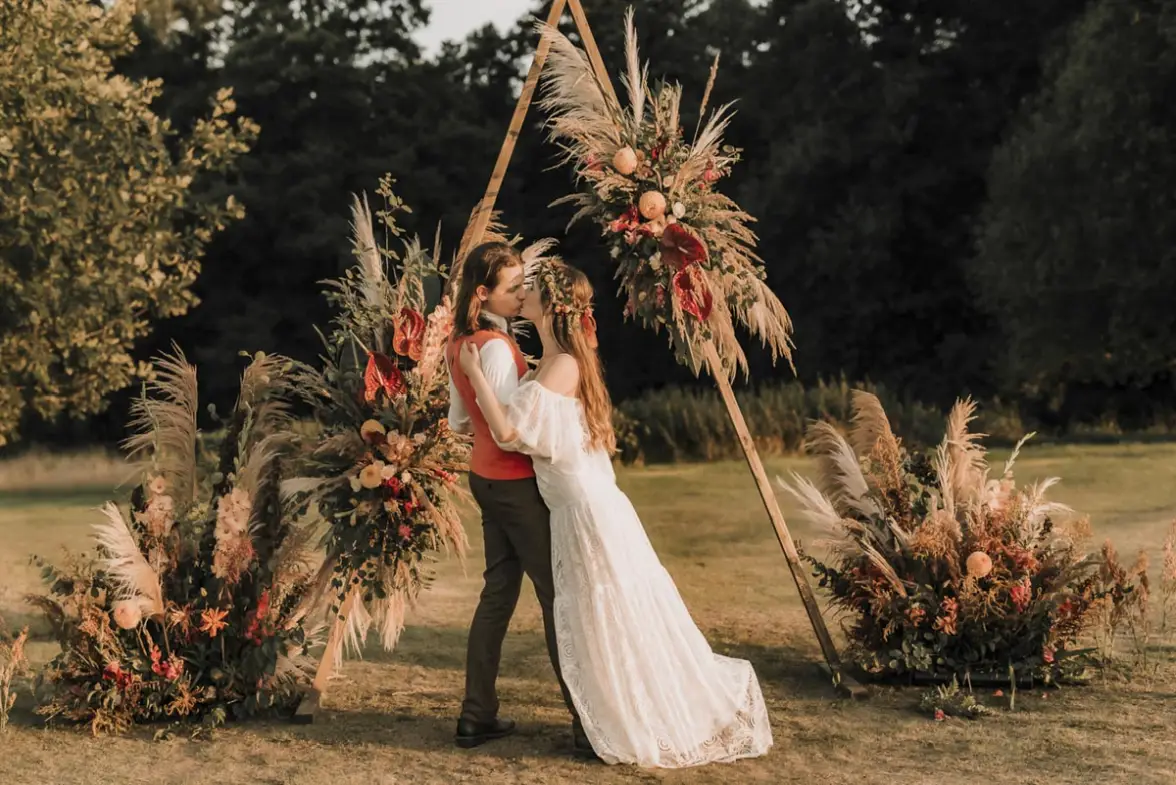
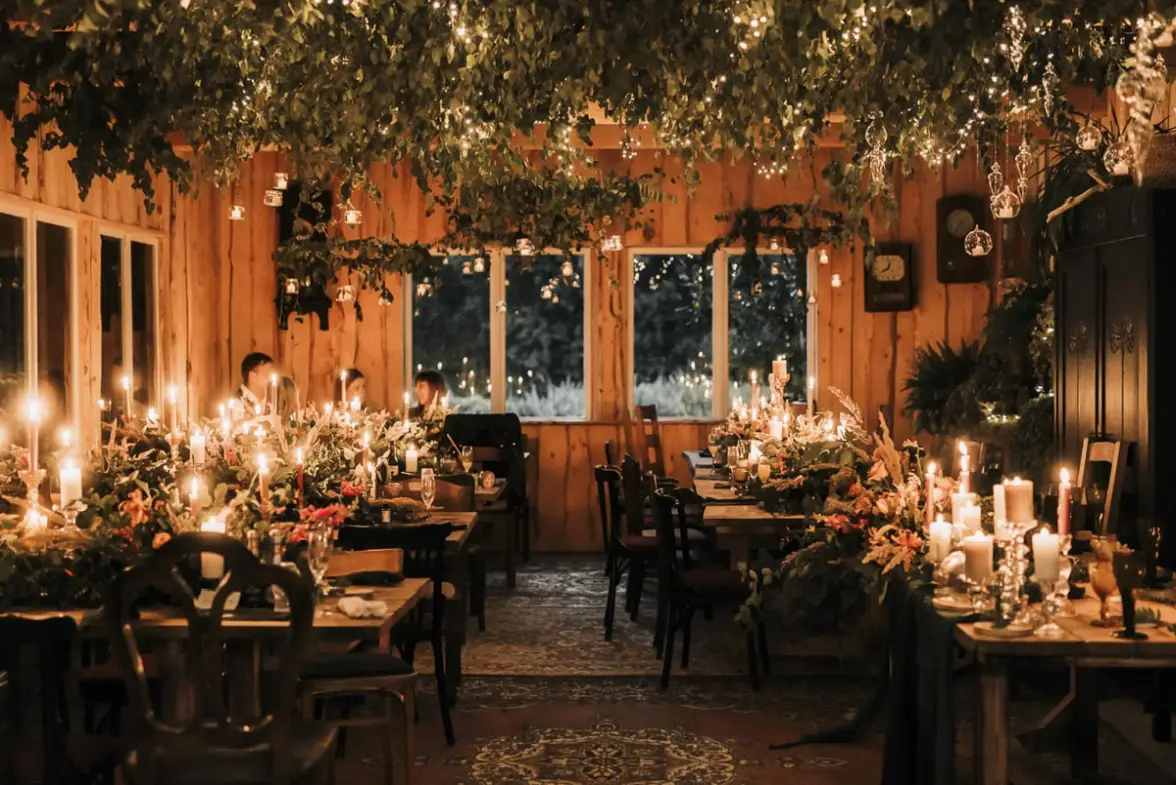
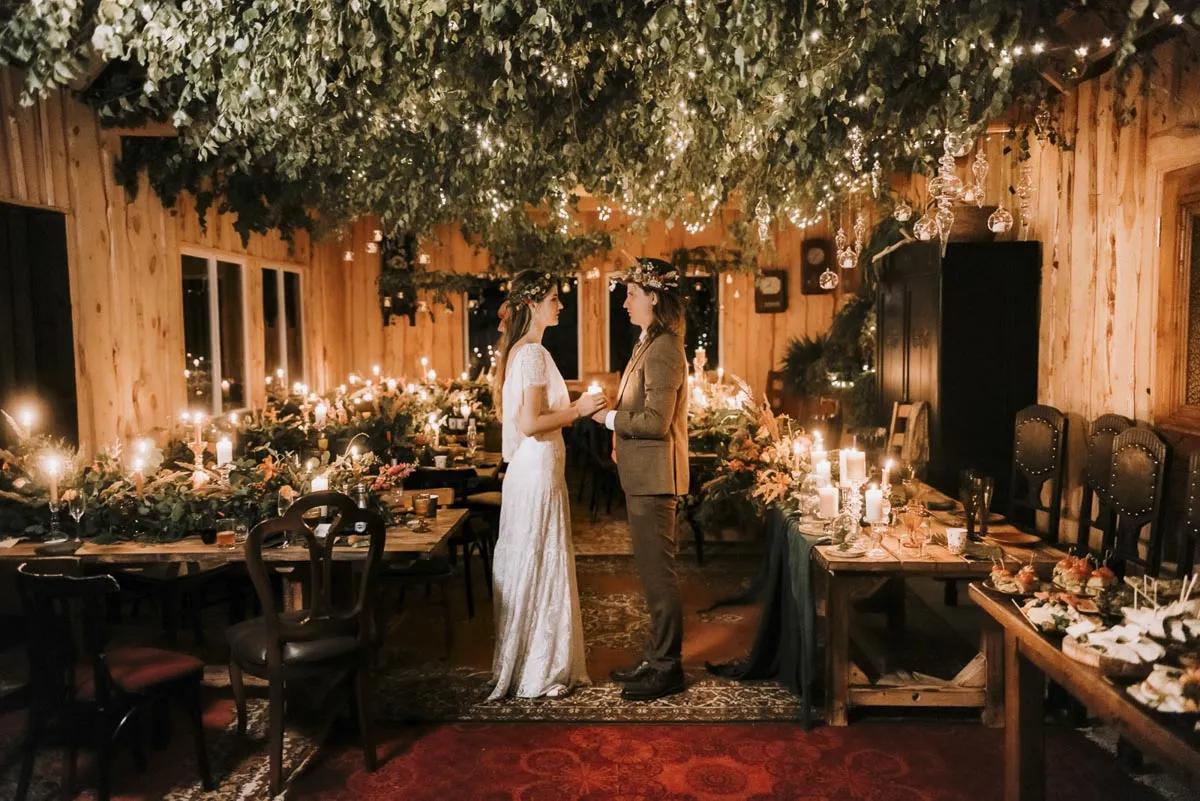
The time of year chosen for the wedding directly affected the organization and design of the wedding. Since weddings were most often held in the fall, flowers were rarely used to decorate the rooms. Used other greens still available in autumn - mint, lingonberry. Straws and reeds were used to make baskets and various braids. Bird feathers and colored ribbons were also used, decorations were also made from paper and other materials.
Even today, presenters and guests tend to organize various games and tasks for couples. In the evening, during the celebration, guests are also involved in such entertainment. However, in the past, such traditions were associated with ancient rites of passage, where giving and passing tests is important as a necessary condition for transitioning to a new stage of life as married people.
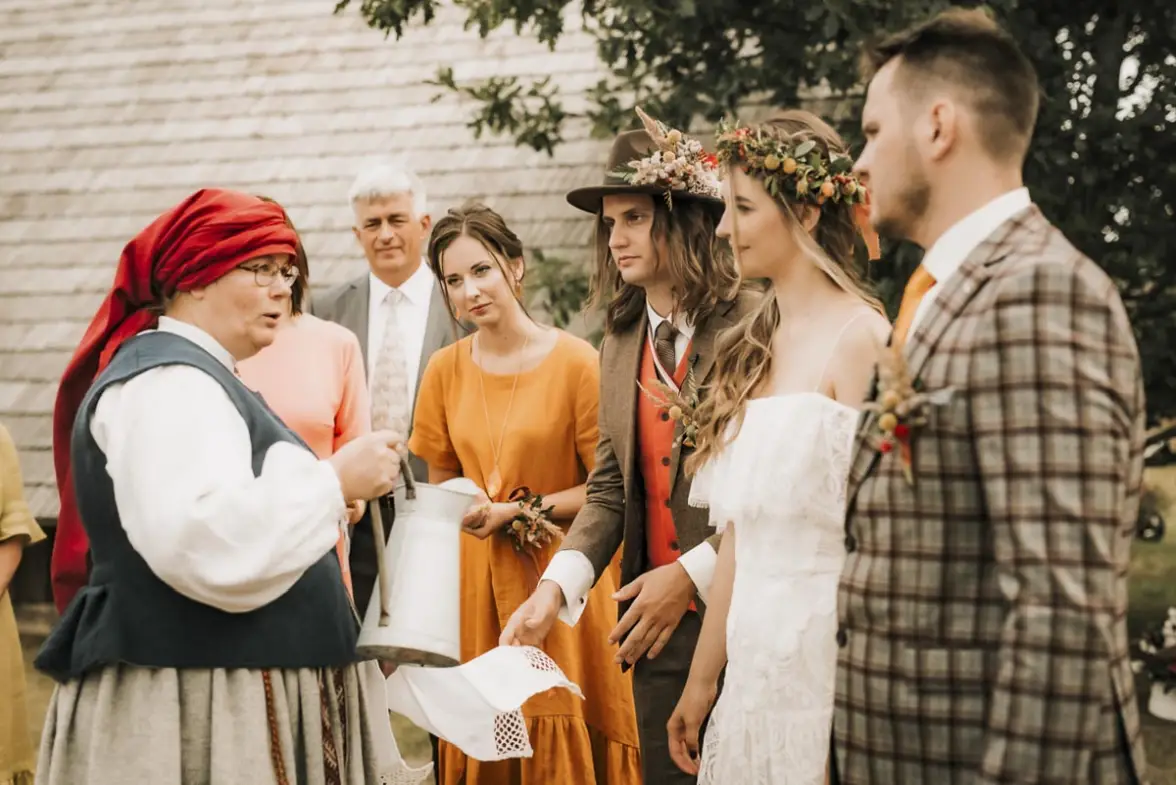
The wedding ceremony took place in the church, and on the way from the church to home, the young couple was awaited by obstacles or gates put up by both invited and uninvited wedding guests, which the couple had to redeem. Before sitting down at the wedding table, the newlyweds had to perform various tasks of husband and wife to show their skills and dexterity. In addition to overcoming trials, various protective rituals were also performed, for example, the path of the newlyweds was blessed with water or crosses were thrown before entering the room.
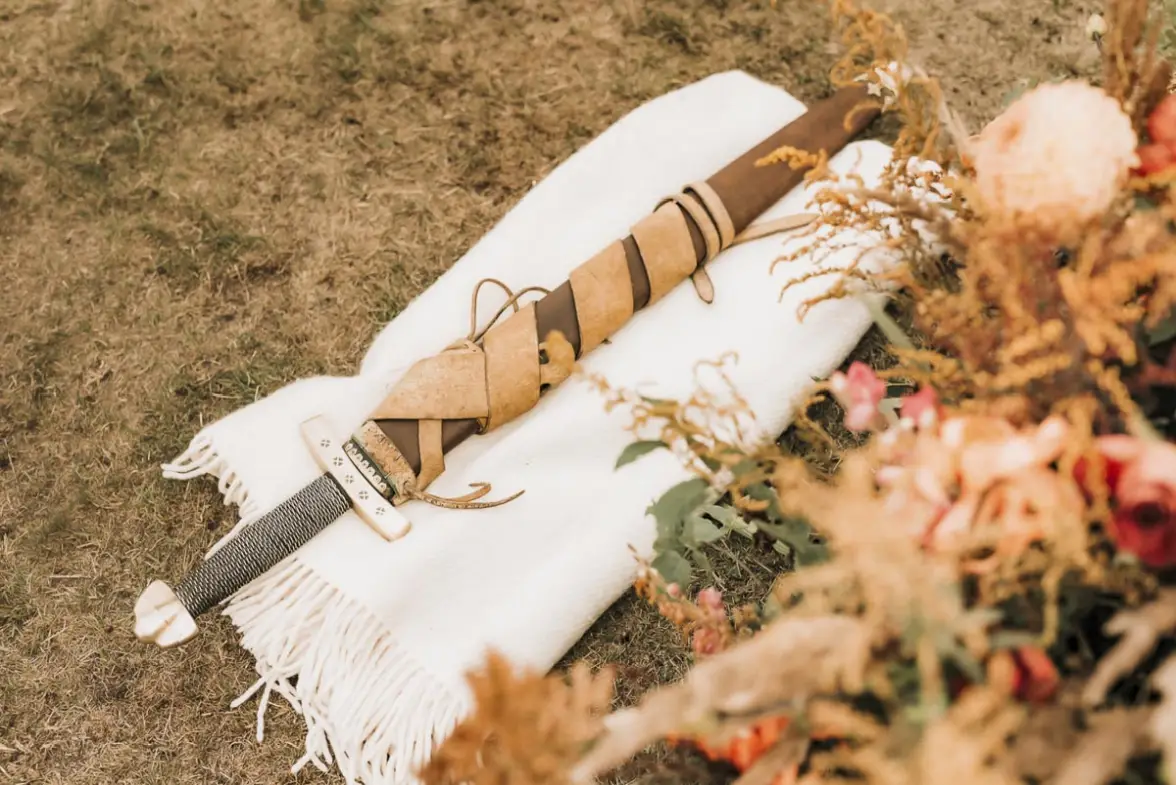
There were also no fire rituals. The fire has a rich symbolic meaning - it is both the joint family hearth, which the new husband lights and the wife guards, it is also a new beginning. Fire is also an intermediary between man and the gods, therefore offerings were also made to fire.
For the bride, the preparations for the wedding began at an early age, because going out to her husband was unthinkable without a dowry, and making a dowry was a time-consuming job. The daughter's dowry reflected not only her wealth but also her diligence and skill. She had to show not only her virtue, but also to provide everything necessary for family life, as well as to provide gifts for her husband's father, mother, brothers and sisters. A wealthy daughter had 100 towels, 100 pairs of gloves, 24 villaines, 12 sheets, 12 linen shirts with embroidery, 12 pairs of white and 12 pairs of colored stockings in her dowry.
Devotion was also an integral tradition of weddings, for example, throwing coins into the river while driving over a bridge, hanging garters or belts on trees at crossroads. This was done with the belief that by devoting part of one's good fortune, it is possible to ensure prosperity in the future. The homestead and celebration were decorated not only for aesthetic reasons. It was believed that bouquets provide protection and fertility, productivity. In addition, the spirits of the forest and the house were improved by sprinkling trees, a homestead or a room, and received their blessing.
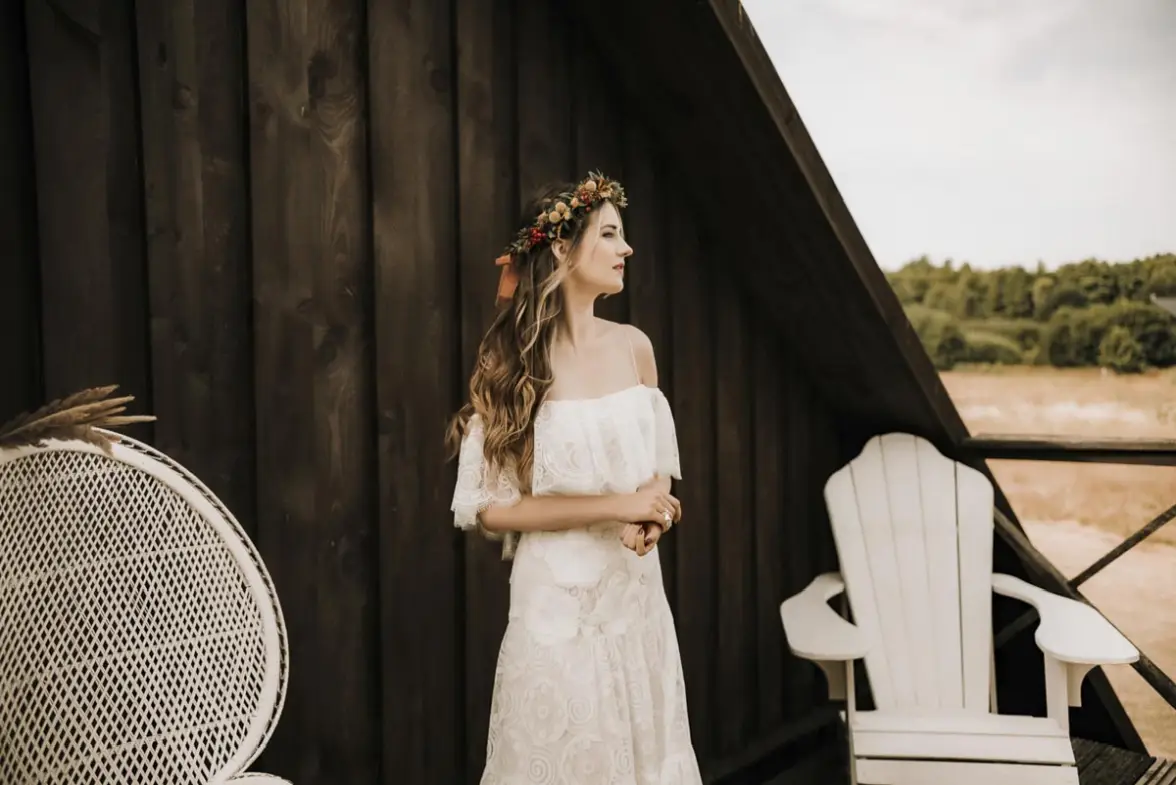
Latvians wore folk costumes for various occasions, including weddings. Suits have a particularly gorgeous tradition of wearing folk costumes at weddings. There were certain regulations for wearing the cloth of honor and the wealth and status of the guests in society could be determined by the attire of the guests.
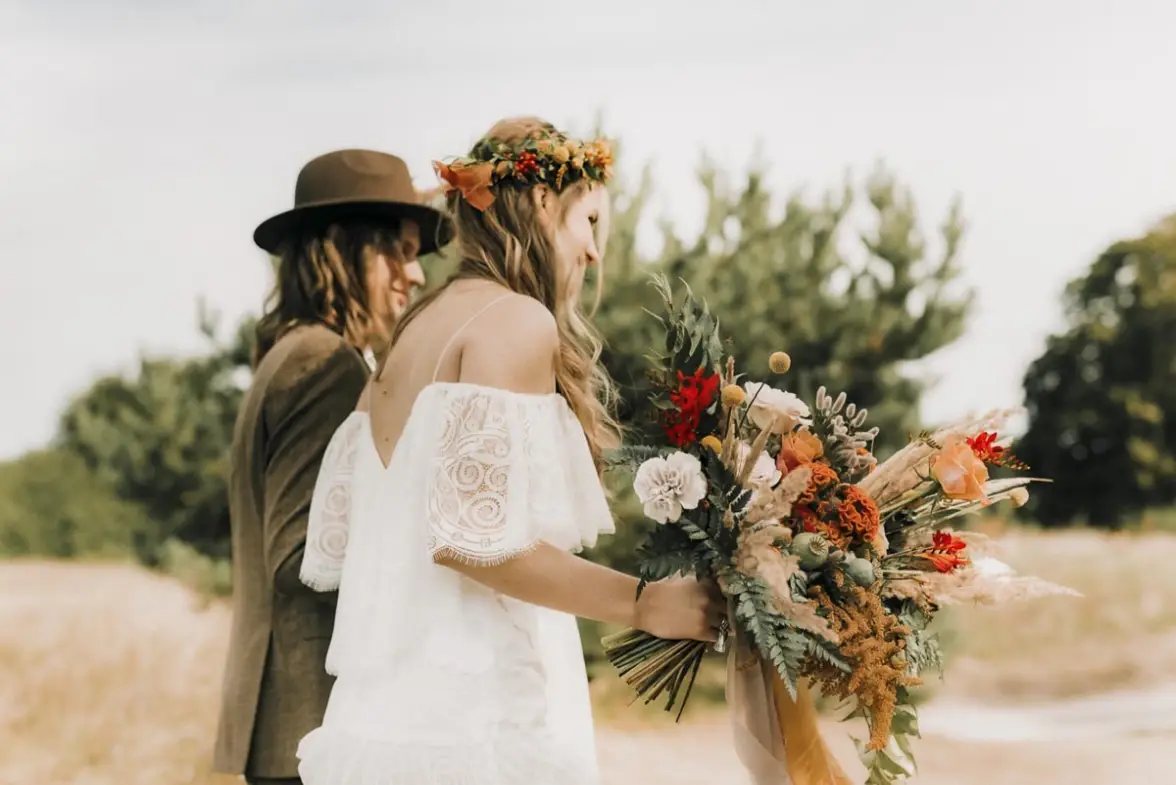
Regardless of the weather, gloves and stockings were part of the suit's new couple's wedding attire. On the wedding day, the groom wears the gloves given by the bride or fastens them to his belt so that everyone can see them. In this way, he shows that he is proud of the skill and taste of the fine needlework of his chosen one. Men's wedding attire was also special - on the wedding day, they wore a big skirt or a long, white coat. It was sewn from white woolen fabric, fastened with hooks and tied with a belt.
The bride was not able to provide everything necessary for the wedding herself, so a week before the wedding, the couple went shopping. The future husband bought beautiful brooches for the bride's head, a silk scarf and a ring. However, the bride bought a silk necktie and handkerchiefs for her chosen one, as well as a shirt, which she embroidered before the wedding.
We live in a saturated cultural space, so it is inevitable that all kinds of trends have crept into the wedding celebration, which makes the wedding only more magnificent and interesting. The main thing in all this is not to lose the meaning of marriage rituals and not to make wedding traditions only entertainment. However, carefully researched marriage rituals, the meaning of which you have understood, will only make the wedding more beautiful and the concluded union stronger.
This website uses cookies to improve the user experience and optimize its performance. By continuing to use this website, you agree to the use of cookies on this website.
Read more

 share
share


.webp)
.webp)
.webp)
.webp)
.webp)
.webp)
.webp)