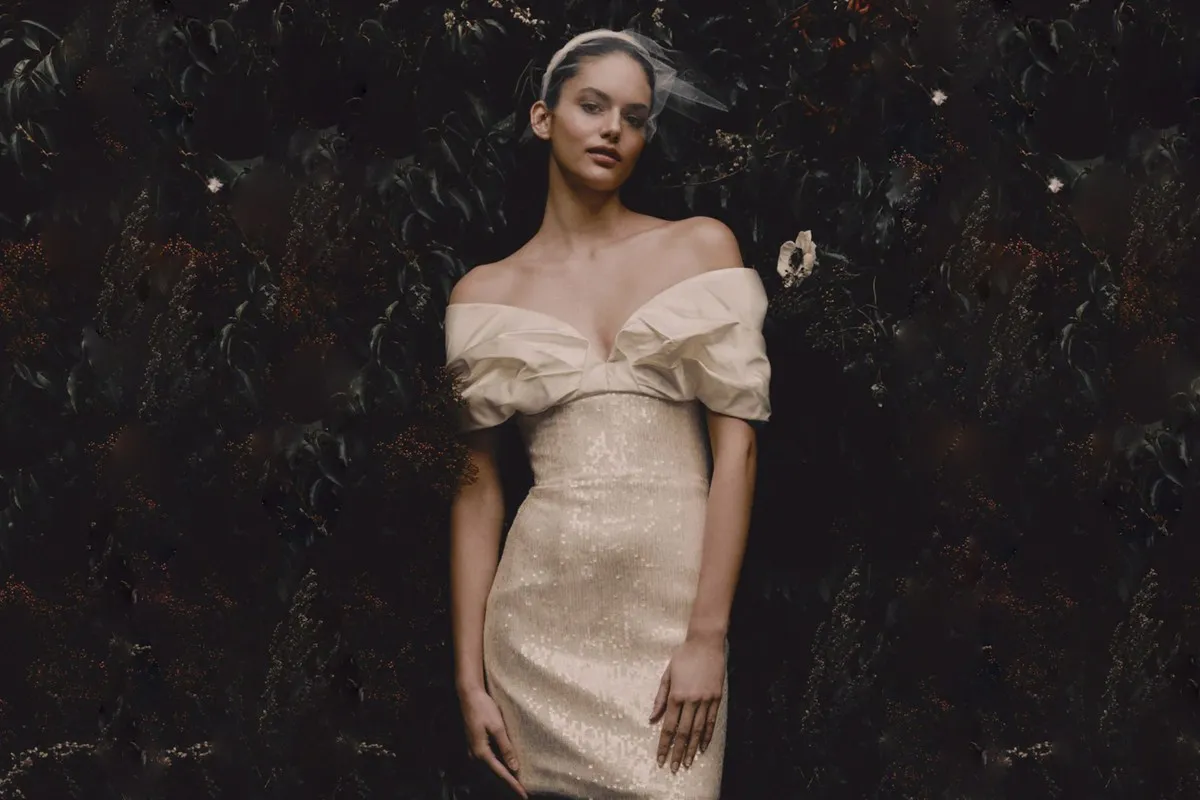
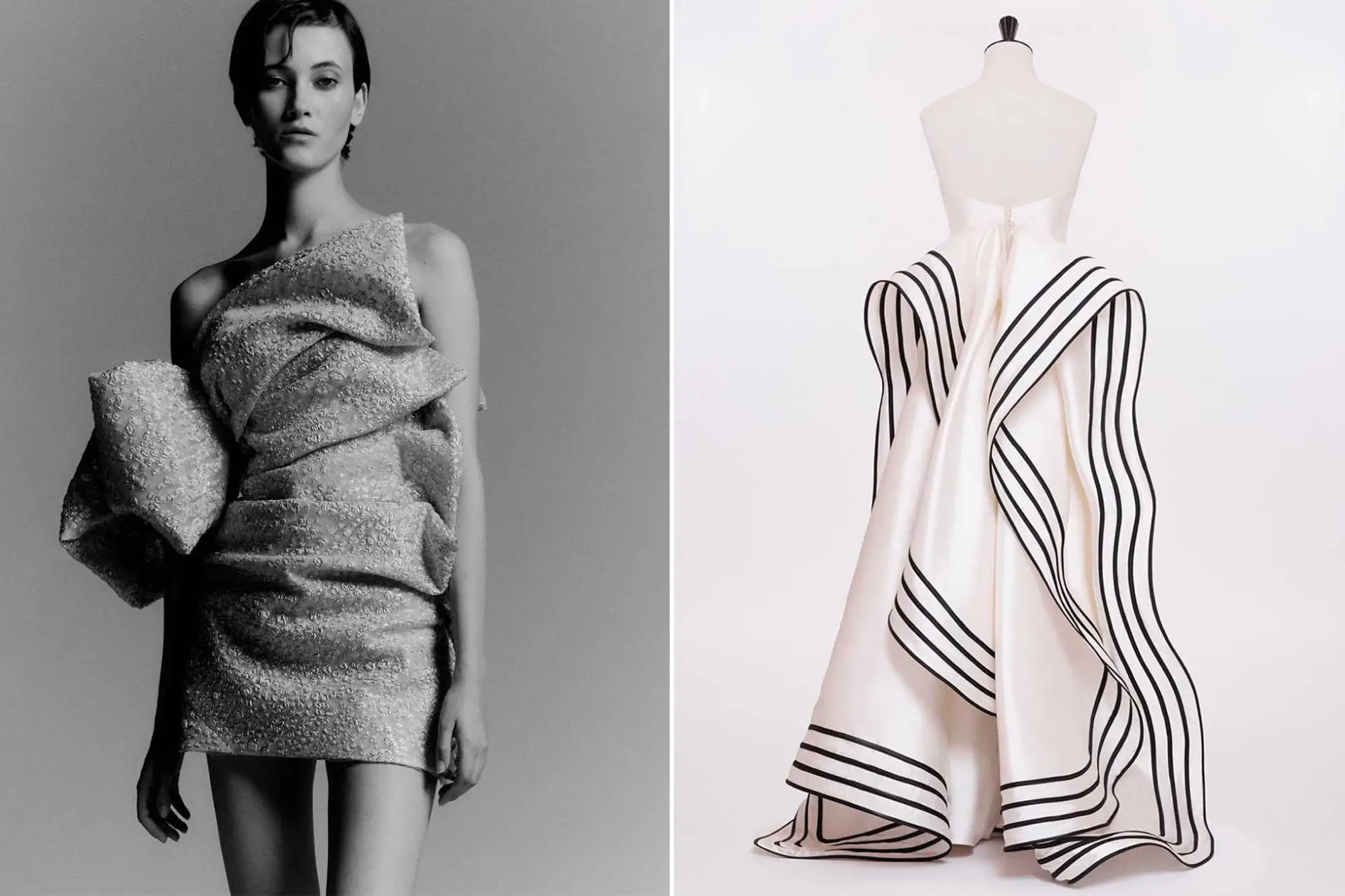
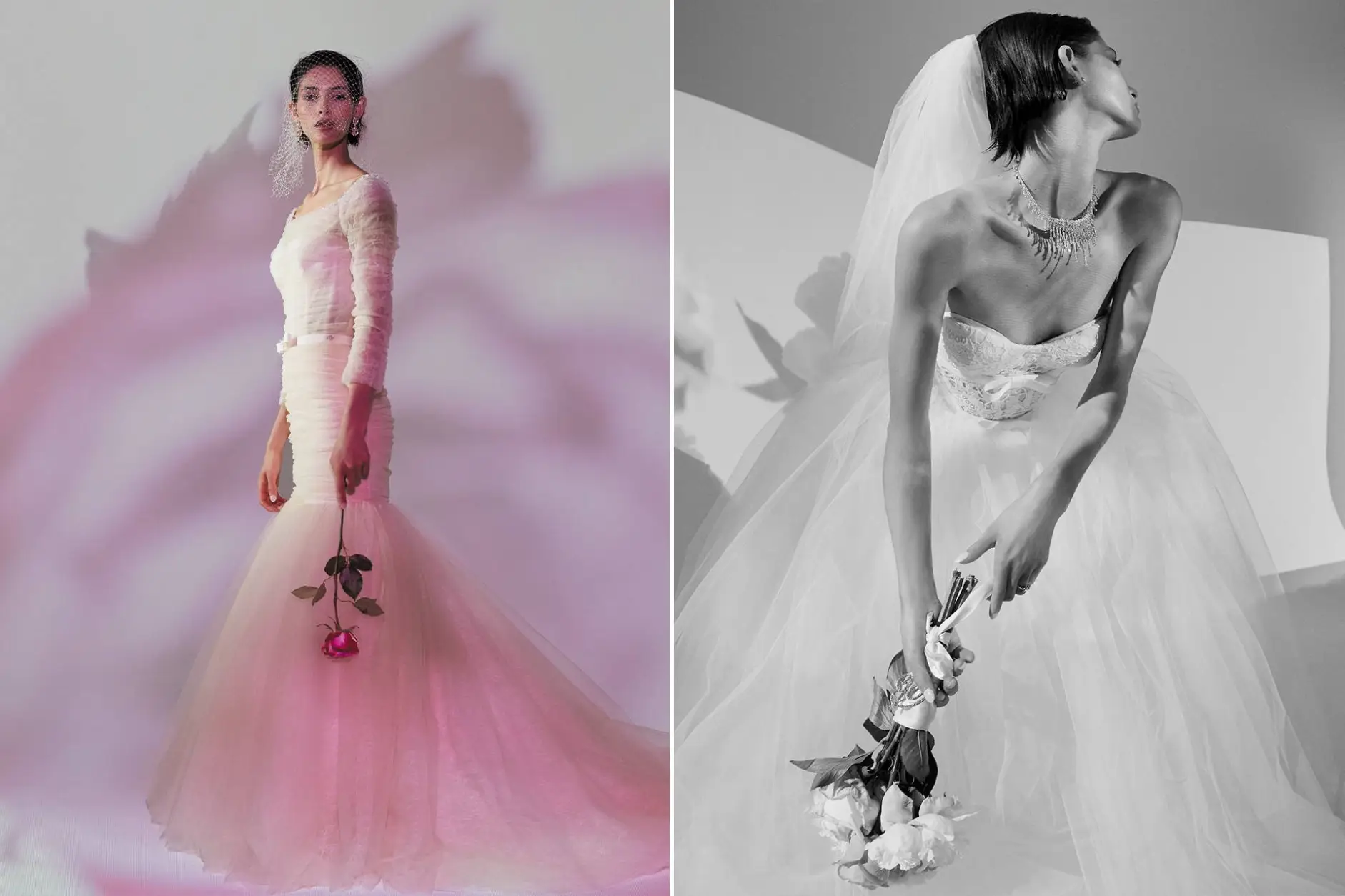
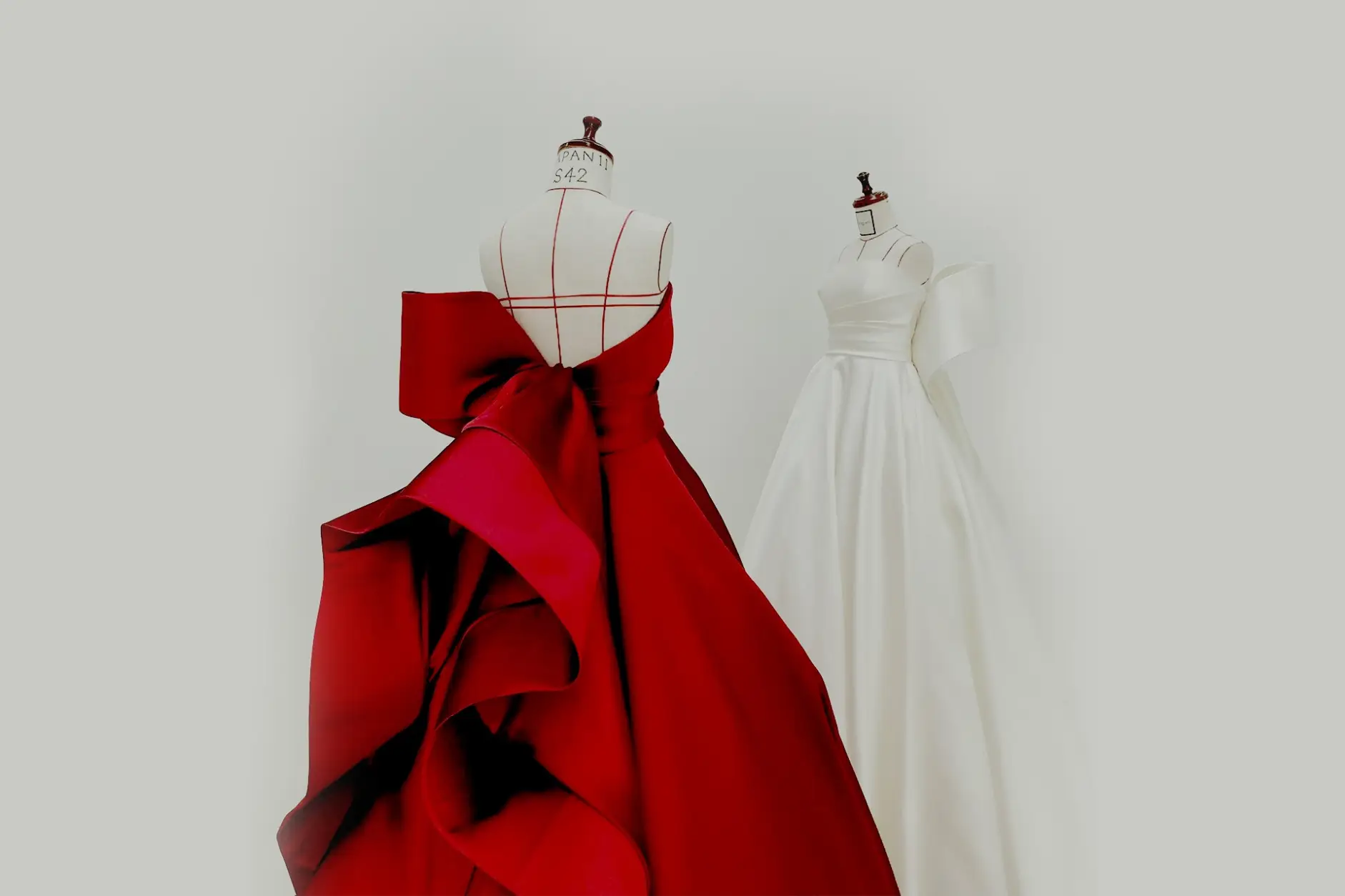
The wedding dress reflects not only the taste and personality of the bride, but also the theme and source of inspiration for the wedding, which is often Italy, a favorite of many couples.
Italy is one of the most desirable wedding destinations in the world. Its rich cultural heritage is an inexhaustible source of inspiration that encourages couples to incorporate Italian art, music and cuisine into their celebrations. Also couples who get married in Latvia tend to be inspired by sunny and cheerful Italy and conjure up its feeling in their weddings as well. Why not include a reference to this beloved country in the wedding dress as well? In addition, Italy's influence on wedding dress fashion is undeniable, with its world-renowned fashion industry creating timeless and innovative designs that inspire wedding fashion around the world. From luxurious lace to flawless stitching, the Italian-inspired wedding dress exudes elegance and sophistication.
Costumes: ANTONIO RIVA
Italian wedding fashion over time
Italian fashion has a rich centuries-old history. Throughout Italian history, wedding dresses have reflected not only the fashions of the time, but also cultural and regional influences. Each era brought its own unique interpretation of the bridal gown, from the opulent gowns of the Renaissance to the more laconic styles of the 20th century. Today, brides can choose from a wide range of styles, inspired by both history and contemporary fashion.
In ancient Rome, clothing reflected social status. Brides wore simple, flowing white or pale tunics made from natural fabrics such as wool or linen. Brides often wore flower crowns, while grooms wore togas, the distinguishing mark of Roman citizens. The toga was made of wool and was worn in different ways according to the occasion and the social status of the wearer.
Medieval Italian fashion was heavily influenced by the Byzantine Empire. The women wore long, flowing dresses, while the men wore tunics and capes. Italian city-states such as Venice and Florence were known for their luxurious fabrics and played an important role in the textile and silk trade. During the medieval period, Italian wedding attire differed according to social class. High-born brides often wore gorgeous gowns made from luxurious fabrics such as silk and velvet. Peasant brides, on the other hand, wore simple, practical dresses made of natural fabrics.
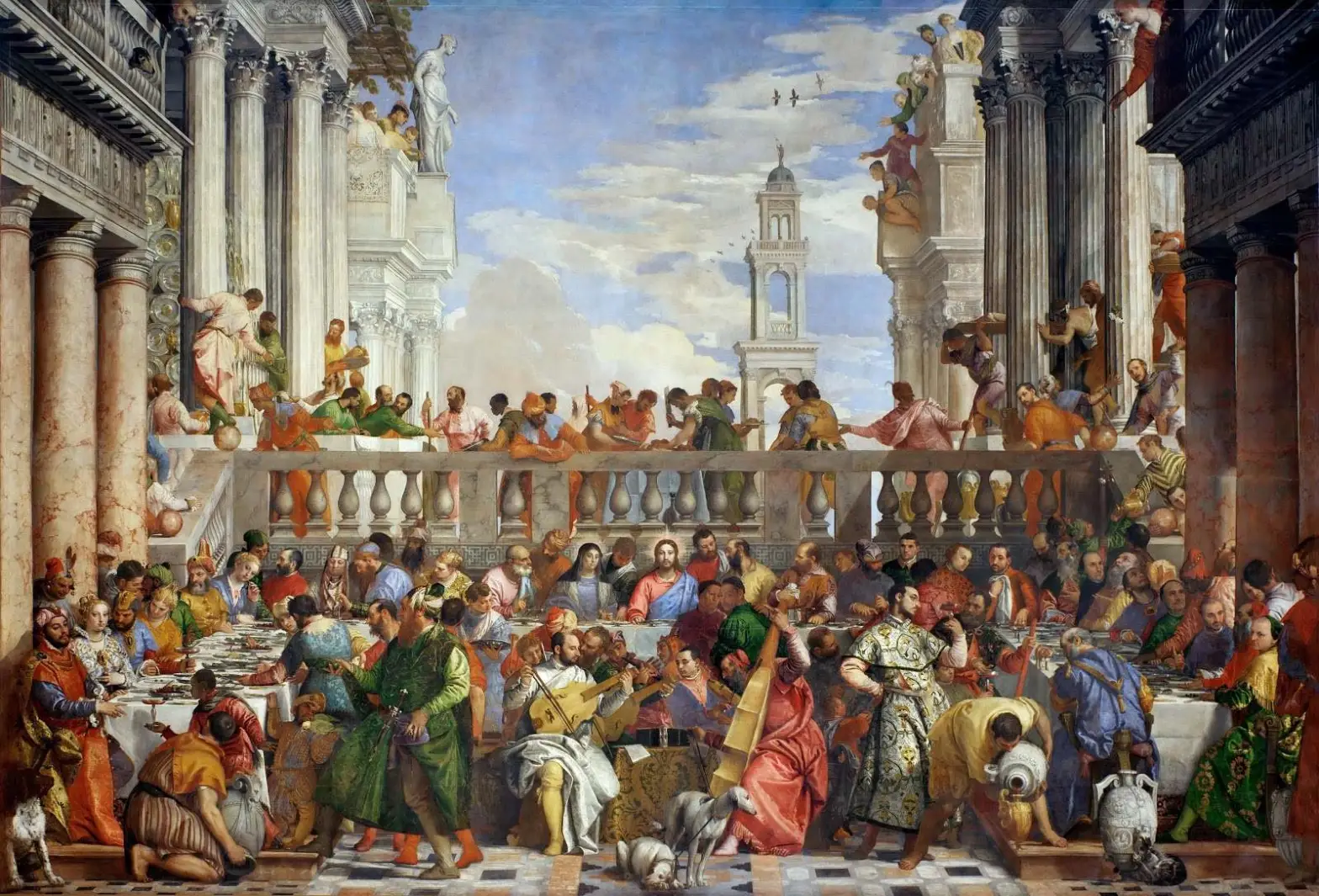
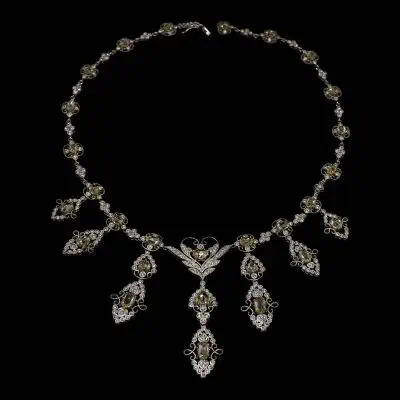
The Renaissance marked an important turning point in Italian fashion. Ancient art and culture were revived. Clothing became more structured and women's dresses had fitted corsets. The Renaissance period emphasized exquisite clothing - Italian brides wore dresses with elaborate embroidery, luxurious lace and rich fabrics. Dresses were often bejeweled and jewelry played an important role in the bride's outfit.
Paolo Veronese | Wedding Feast in Cana
The Baroque period is characterized by rich and extravagant clothing, luxurious fabrics, lace and intricate embroidery. Women wore corsets and voluminous skirts, while men wore fancy coats and wigs. In the Baroque and Rococo eras, wedding dresses were elaborately designed. Brides wore dresses with hoop petticoats that created a dramatic silhouette.
Napoleonic influence brought military-inspired fashion to Italy with close-fitting jackets and high-waisted trousers for men. Brides began to wear tighter, high-waisted dresses inspired by the Empire style. white wedding dresses became increasingly popular during this period.
The 19th century saw a mix of traditional regional clothing and French-inspired patterns. After the unification of Italy in 1861, there was a shift towards a national Italian style. Both voluminous crinoline skirts and simple dresses were in fashion for women. Victorian fashion also influenced Italian wedding dresses. Līgavām had long white dresses with high collars and long sleeves. these dresses often featured intricate lace and embroidered details.
Juan Pablo Salinas | La Boda
At the beginning of the 20th century, Italian fashion was influenced by Art Nouveau and Art Deco. Wedding dresses were simpler and had geometric patterns. Some brides opted for shorter wedding dresses and hats. Fashion designers such as Elsa Schiaparelli and Emilio Pucci gained prominence during this period.
After the Second World War, Italian fashion experienced a renaissance. Milan and Florence became prominent centers of fashion. Designers such as Giorgio Armani, Guccio Gucci and Salvatore Ferragamo were significant influences. Italian brides chose more elegant and romantic styles. Tea-length dresses were popular. The dresses also often featured lace bodices and flowing skirts.
Italian fashion continued to flourish in the late 20th and early 21st centuries, with designers such as Versace, Prada, Dolce & Gabbana and Fendi gaining worldwide recognition. Historical wedding dress styles have seen a resurgence these days. Designers have created dresses inspired by different periods, incorporating and highlighting fashion elements of bygone eras such as corsets and voluminous skirts. such wedding dresses are appreciated by brides who want to create a nostalgic romantic wedding image.
Dresses: BLUMARINE
Traditional Italian wedding dress
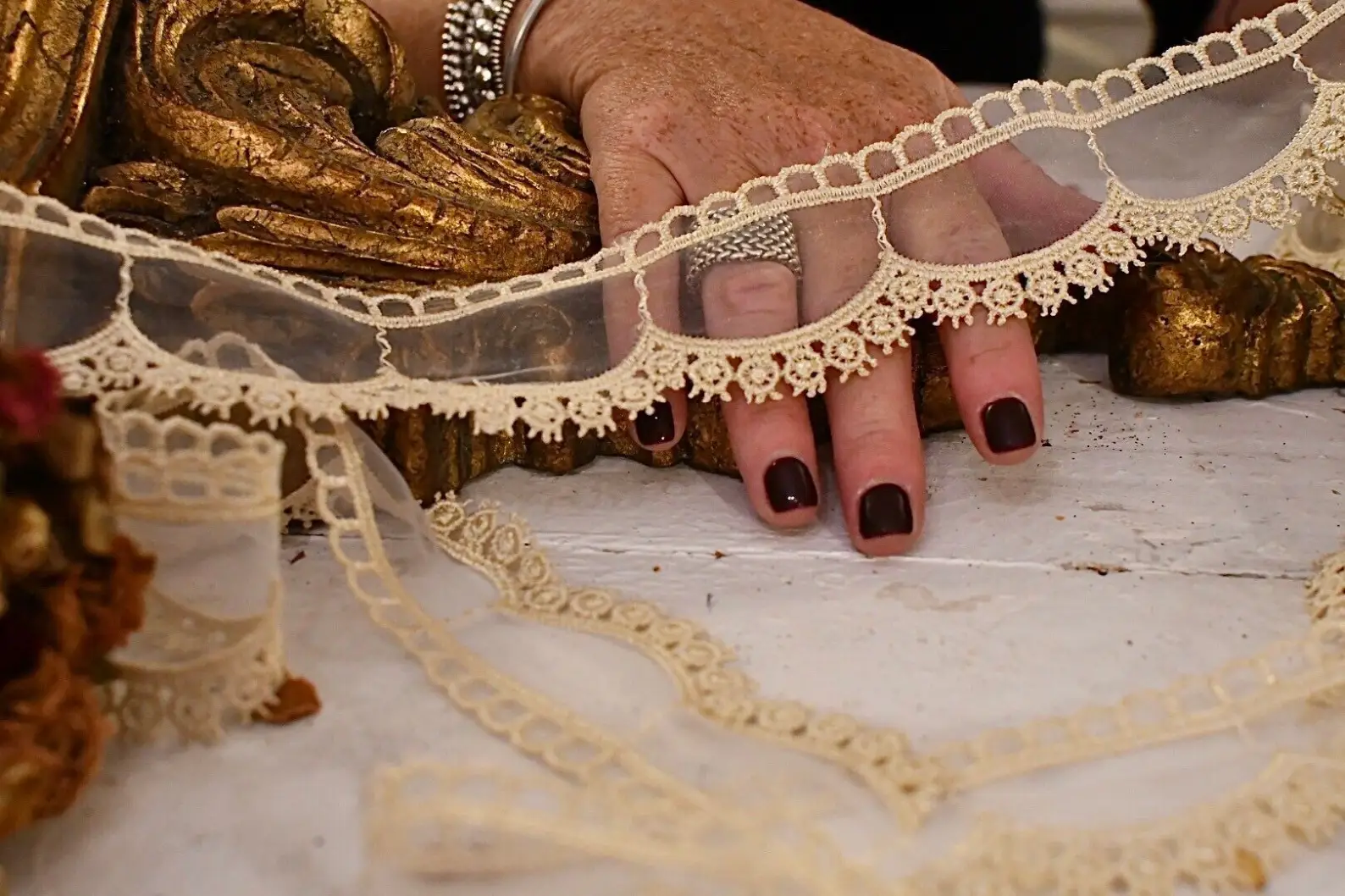
Italian wedding dresses combine tradition, elegance and symbolism. As in many western cultures, white or ivory is the most common color for Italian wedding dresses. these colors symbolize purity, innocence and the beginning of a new life. Italian wedding dresses often feature delicate lace. Lace is a symbol of romance and femininity, it gives the dress grace and elegance. Traditional Italian wedding dresses tend to be long and flowing, with an emphasis on a classic and flattering silhouette. A dress may have a bodice and a skirt, often made of fine fabrics such as silk, satin or taffeta. In some regions, long sleeves are a traditional feature of Italian wedding dresses. They can be made of lace or other light fabrics. Some Italian wedding dresses have a train that adds drama and elegance. the length of the train can vary, but a train dress is often chosen for more formal weddings.
20th century Italian lace
Many traditional Italian wedding dresses feature intricate embroidery, beading, or other embellishments. A traditional Italian wedding dress is often enhanced with unique details that carry a special meaning, such as hand-embroidered monograms or personalized elements. these decorations include motifs that symbolize love, family or other important values.
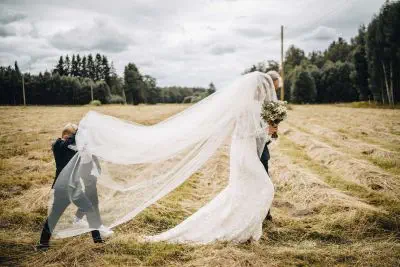
An Italian wedding dress is unthinkable without a veil . It is often long and flowing and elegantly complements the dress. Sometimes the veil is secured with a tiara or crown. In addition to the veil, Italian brides tend to wear a headdress or a wreath of fresh flowers. Each region of Italy traditionally chooses a type of flower.
Dresses: BLUMARINE
Wedding dress in different regions of Italy
The different regions of Italy have their own unique traditions and styles when it comes to wedding dresses as well.
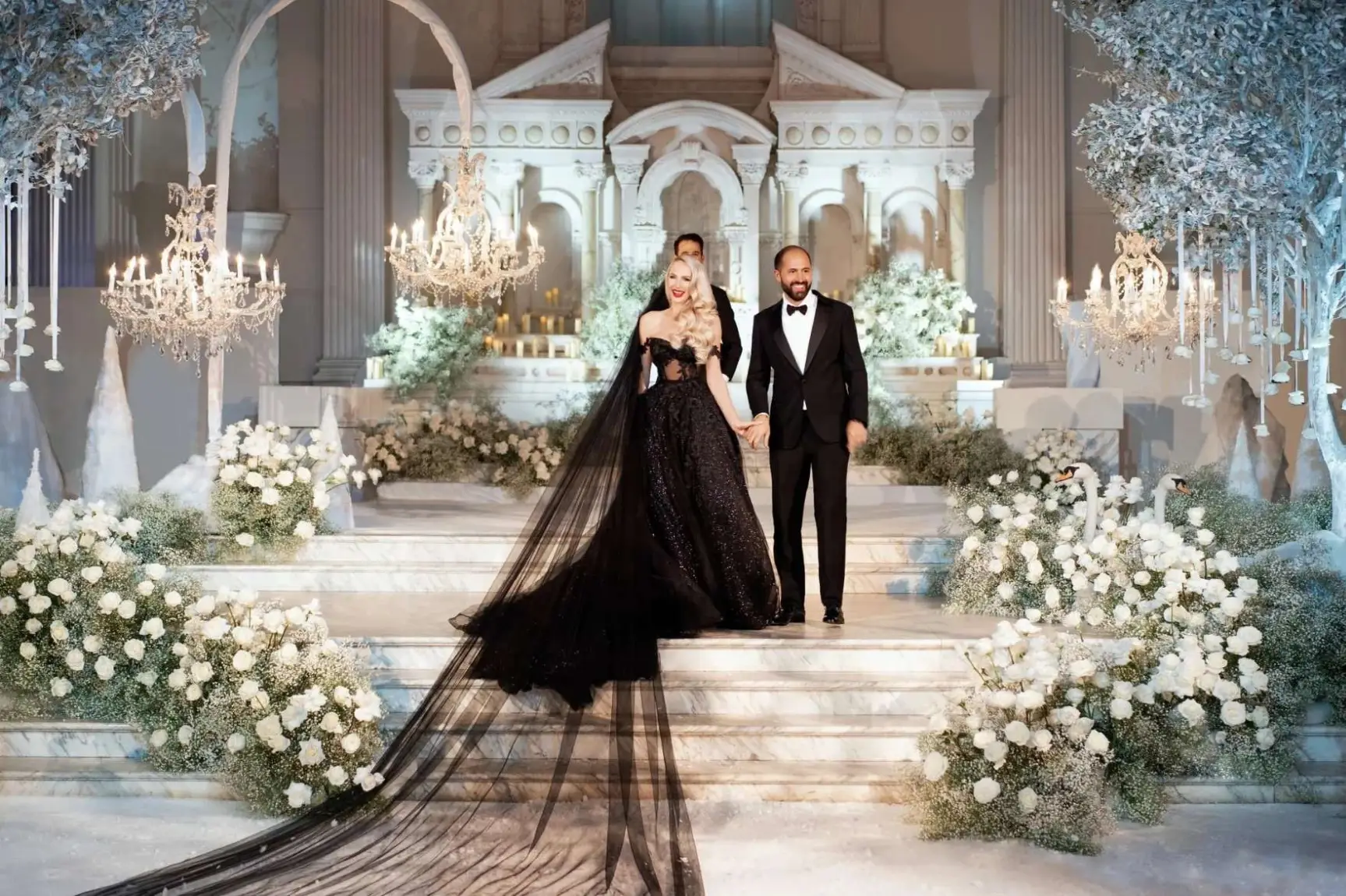
In Sicily, brides usually wear a black dress. It might seem unusual in Western culture, but black symbolizes trust and is believed to ward off evil spirits. The dress is often decorated with gold jewelry and accessories.
Dress: GALIA LAHAV
Tuscan brides often choose simple and elegant wedding dresses. these dresses are usually made from high-quality materials such as silk or satin and have fitted silhouettes. Lace is a common decoration in Tuscan wedding attire and the wedding dress is often complemented by a veil.
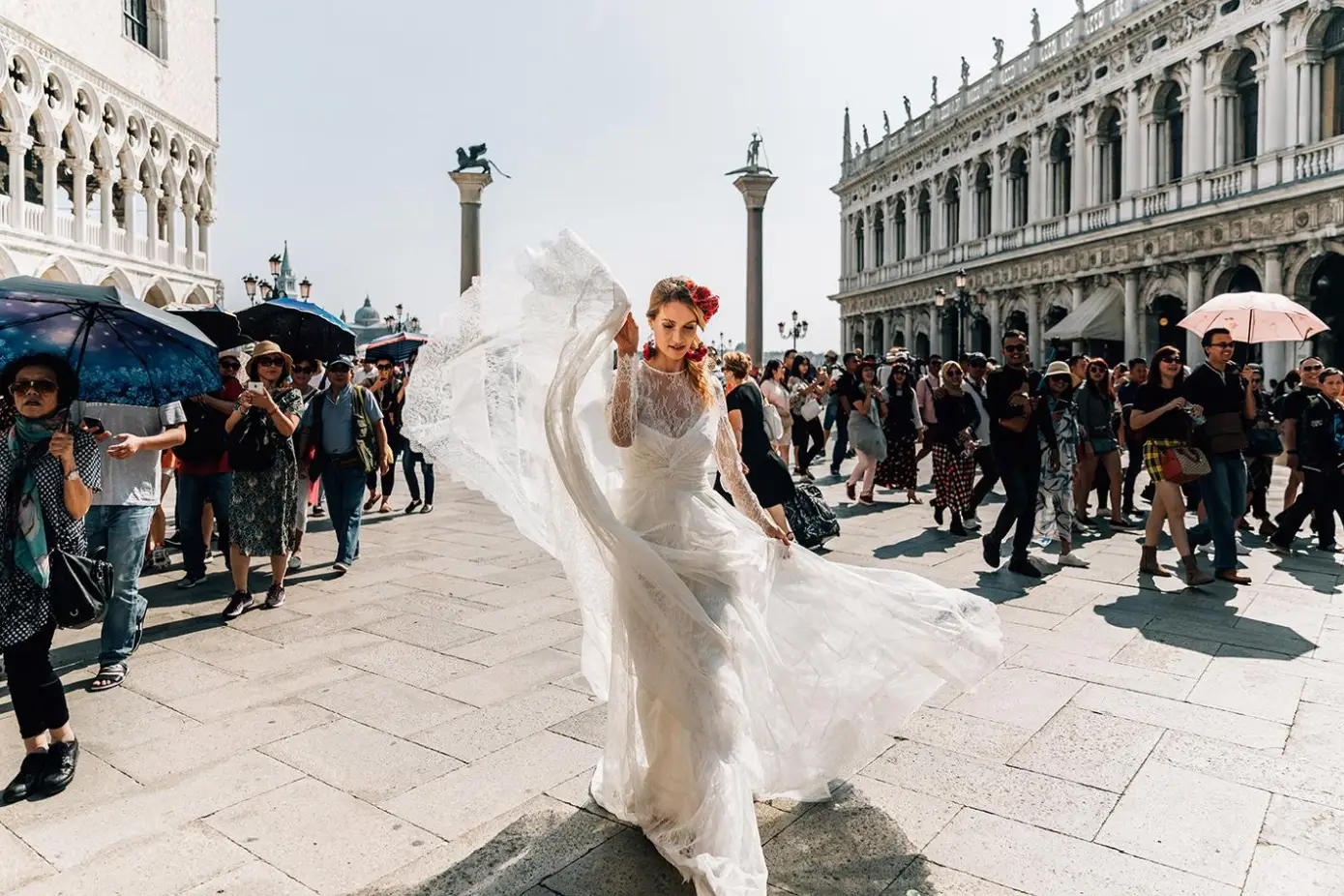
Venice is known for its rich and luxurious weddings. Brides can opt for sophisticated, Venetian-inspired gowns made from luxurious fabrics such as silk and velvet. Masks and elaborate headdresses are an essential part of a Venetian bridal outfit and are often worn during wedding celebrations.
Dress: PIERRE ATELIER
In the southern region of Puglia, brides wear a white dress, but the dress usually has colored accents. A traditional Apulian bridal dress may include a headscarf or a crown decorated with flowers.
Calabrian brides often wear a white wedding dress with a red sash, symbolizing fertility and protection against the evil eye. Wedding attire in Calabria may include gold jewelry, especially large gold earrings, a symbol of wealth.
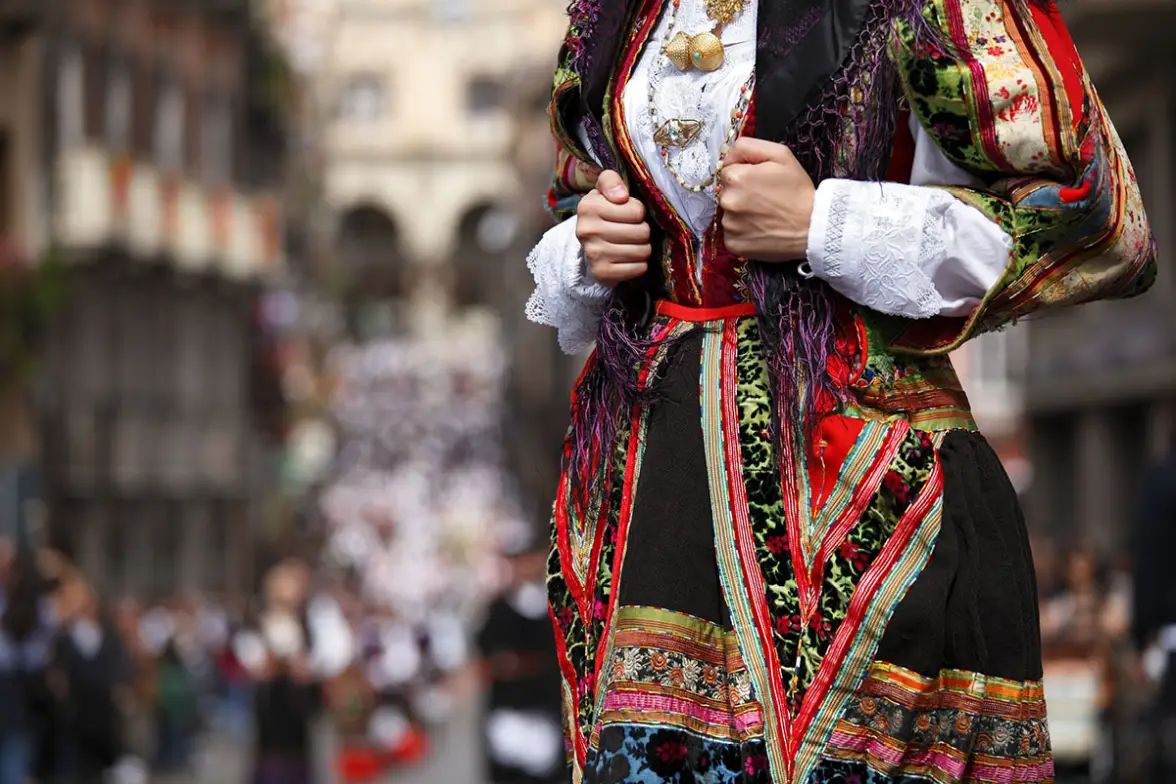
In Sardinia, brides wear traditional costumes called "abiti sardi". these costumes vary by region and can be quite colorful and ornate. A common feature in Sardinian bridal attire is the "corona", a metal headpiece that can be decorated with symbolic motifs and beads.
Traditional dress: Abiti sardi
Brides in Campania (Naples and the Amalfi Coast) can choose wedding dresses with a Neapolitan influence. these dresses are often made of silk, with lace and intricate embroidery. Dresses can have bodices and full, flowing skirts that create a particularly romantic image.
these are just a few examples of the regional variations in Italian wedding attire. Each region has customs and traditions, according to which the wedding dress is made, its fabric, color, style and accessories are chosen. these regional differences add diversity to Italian wedding culture .
Italian wedding dress - timeless value
The wedding dress is one of the central elements of the wedding, all guests pay special attention to it. The wedding dress beautifully combines and expresses both the bride's taste and the theme and mood of the wedding. If you're having a free-style wedding in the Italian mood, an Italian fashion designer outfit will also fit perfectly. However, an Italian-inspired wedding dress will also fit perfectly in other style weddings, such as classic and elegant. including such thoughtful references in the choice of wedding dress and other elements will make the celebration more magnificent and with a deeper symbolic meaning.
Outfit: ANTONIO RIVA
Author of the article: Renate Berga
Outfits: Galia Lahav, Pierre Atelier, Antonio Riva, Blumarine
This website uses cookies to improve the user experience and optimize its performance. By continuing to use this website, you agree to the use of cookies on this website.
Read more

 share
share